With the help of several people who have generously contributed, the monthly blogs or stories about Surrey Hills have reached their conclusion after four years.
All good things must eventually come to a natural end.
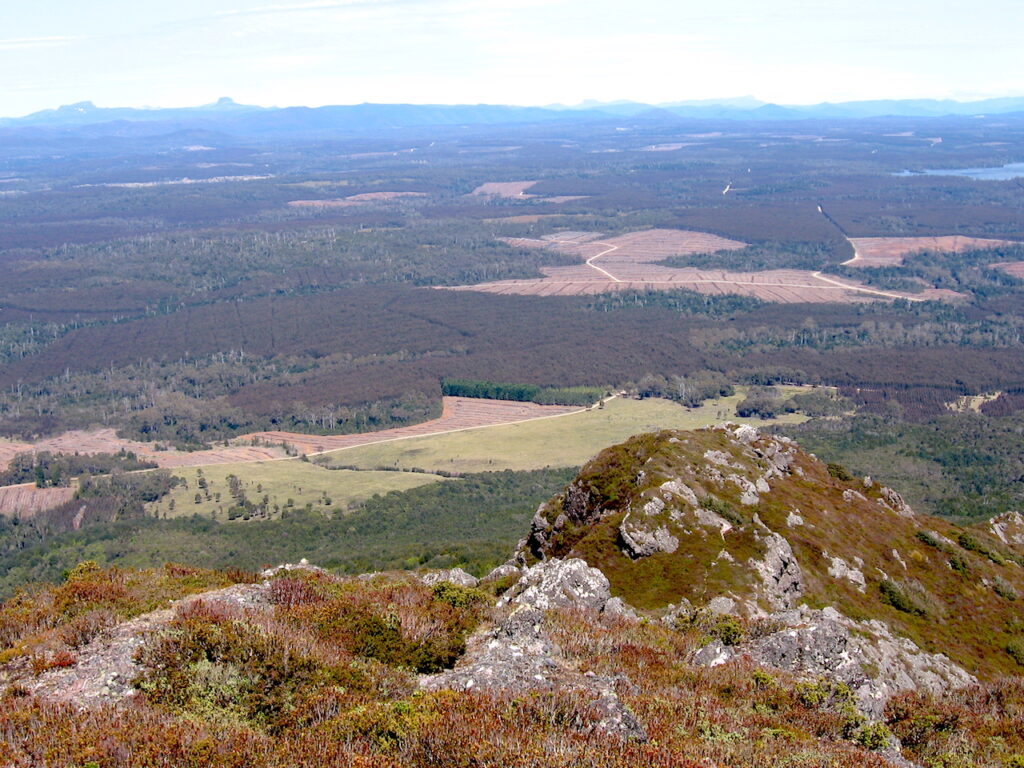
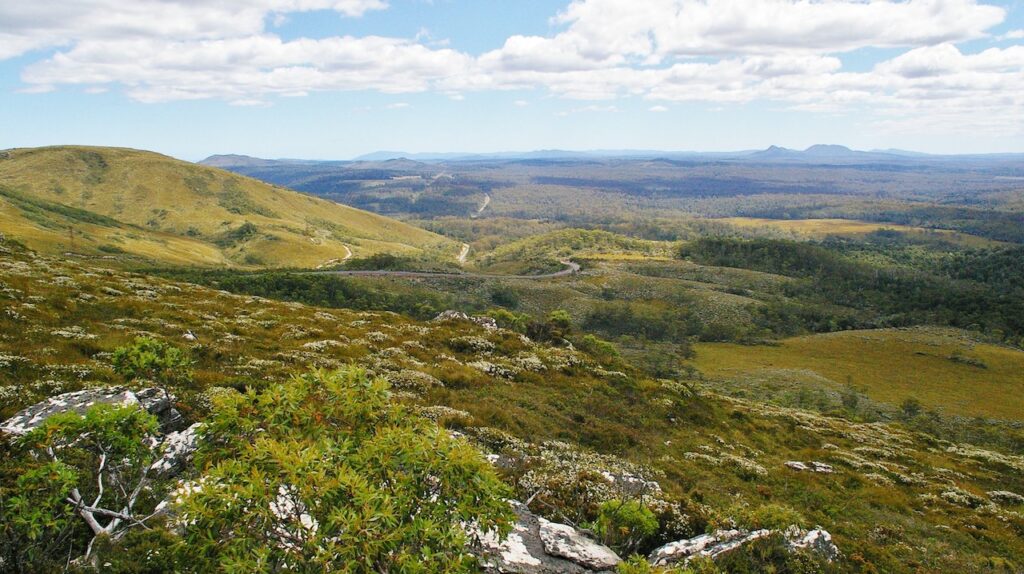
In finishing my Surrey Hills stories this month, I thought it worthwhile to sign off by reflecting on the varied views on what makes Surrey Hills so special and unique.
Gold fossickers were the first settlers to the Evans Head area on the far north coast of New South Wales. Not finding gold, they turned to oyster farming and prawning, with Evans Head becoming Australia’s first commercial prawn port.
In 1919, an Italian immigrant, John Rosolen, built the first General Store.
Any Hollywood film producer needing a blockbuster script should look no further than New South Wales and the aerial culling of brumbies. It is a highly polarised issue and has been for many years. After all, the concern about culling brumbies is not matched by concerns to kill other feral animals or pests, such as deer, pigs, rabbits, foxes and cats.
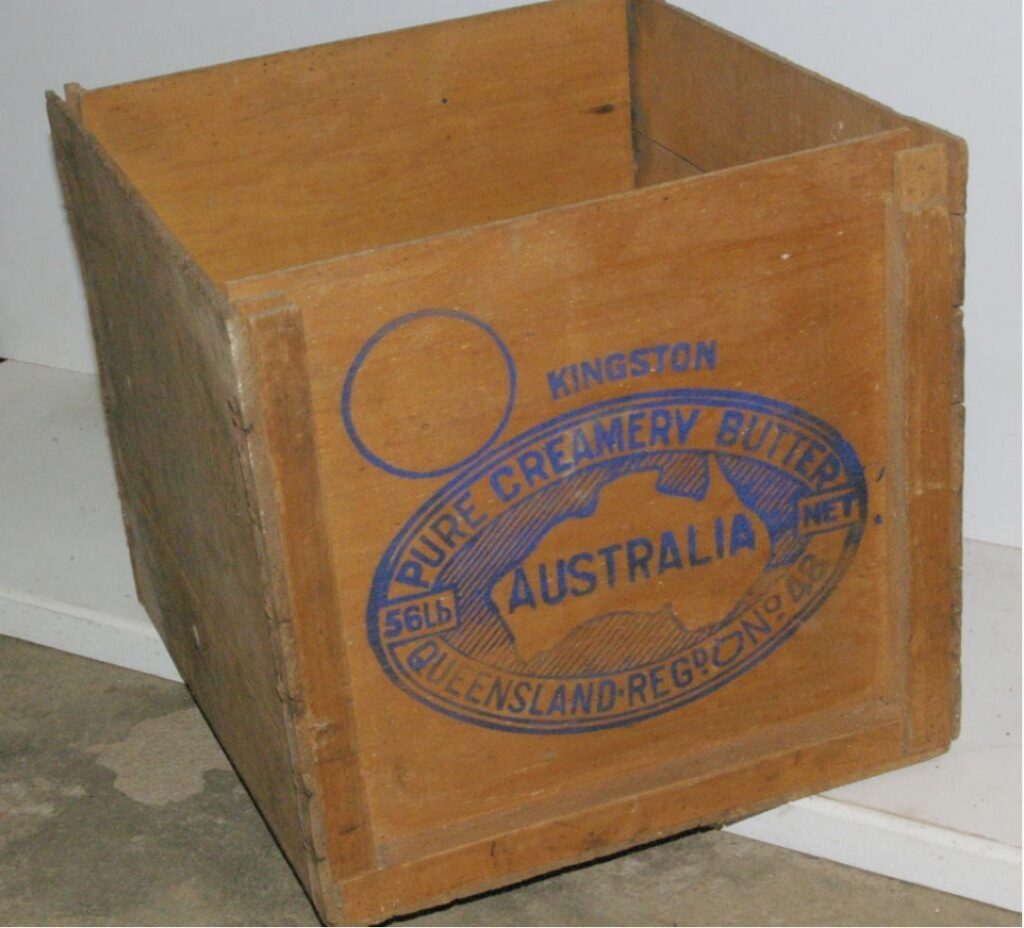
While researching for my three-part series on the truth behind the rainforest wars in New South Wales (Part 1, Part 2, Part 3), there was a constant theme in the historical account of utilising one species of rainforest timber. While the cutting of hoop pine (Araucaria cunninghamii) was undoubtedly very extensive in New South Wales, the scale of utilisation in Queensland was even more significant, and one of its primary uses was for butter boxes.
In this penultimate Surrey Hills blog, I have the privilege of providing a deeply personal story from Brian Rollins about his association with Surrey Hills.
While I provided a shorter, more sanitised version of Brian’s Surrey Hills involvement in Chapter 13 of “Fires, Farms and Forests” under the heading Soothing the Soul and Raising Awareness of Early VDL Co.
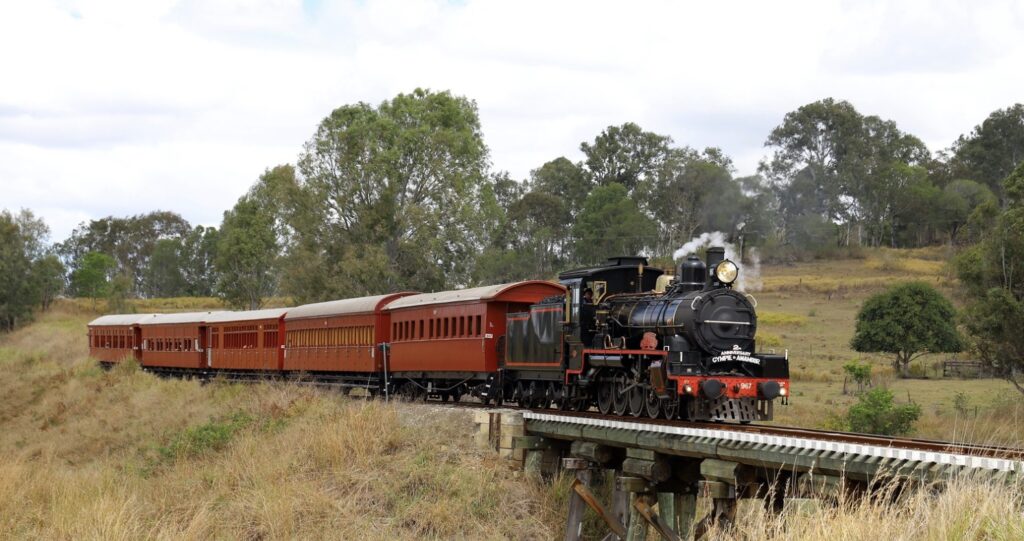
As settlers moved into the rich, fertile areas of the Mary Valley in the 1860s, they wanted a railway to connect them more readily to the outside world and markets for their produce.
The government ignored their early calls, but all that changed when prospectors discovered gold at nearby Gympie in 1867.
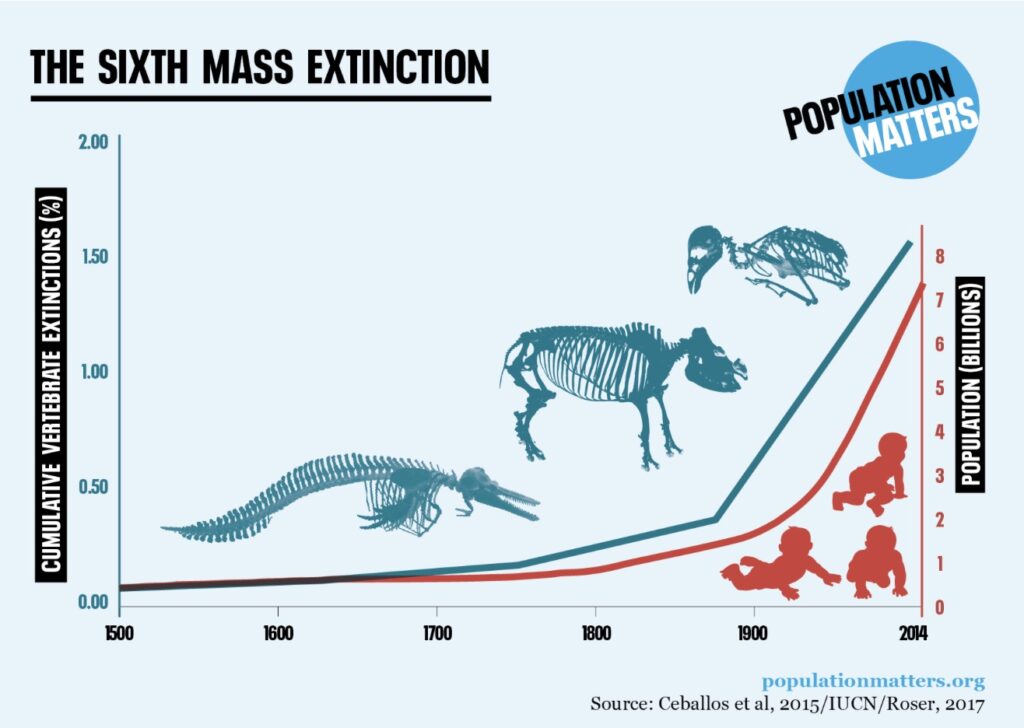
Unfortunately, conjecture based on limited facts has produced “research” trumpeting catastrophic fears of extinction. Jim Steele
Introduction
Our planet now faces a global extinction crisis never witnessed by humankind. Scientists predict that more than 1 million species are on track for extinction in the coming decades.
As the world commemorates another Endangered Species Day, you will undoubtedly read or hear claims like the above.
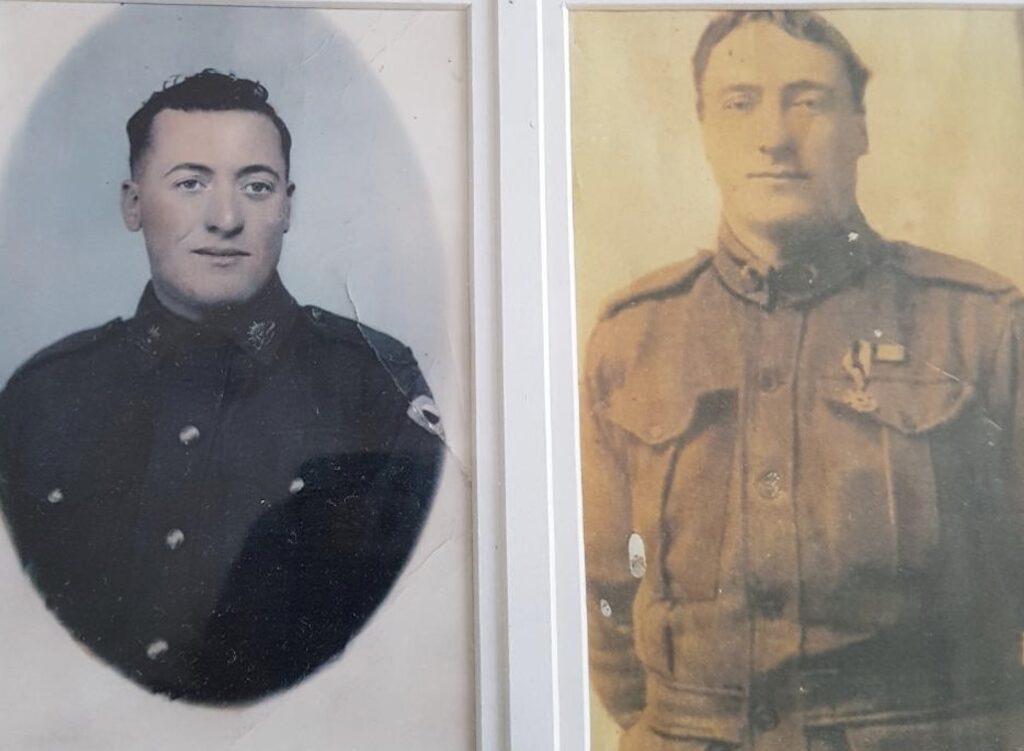
I have decided to write this blog to commemorate and remember the men from settlements in and around Surrey Hills who fought in wars.
In Chapter 10 of my book, “Fires, Farms and Forests”, I outlined some of the war service by men from Guildford Junction. This blog goes into more detail and includes stories about men from Parrawe and Bulgobac.
If you have driven around the patchwork of fertile red volcanic soils east of Bundaberg, you would have noticed several paddocks of fruit and vegetable crops, in addition to the vast cane fields. Bundaberg is best known for its sugar cane and rum. However, these days, the region is a true fruit and salad bowl area feeding the nation.
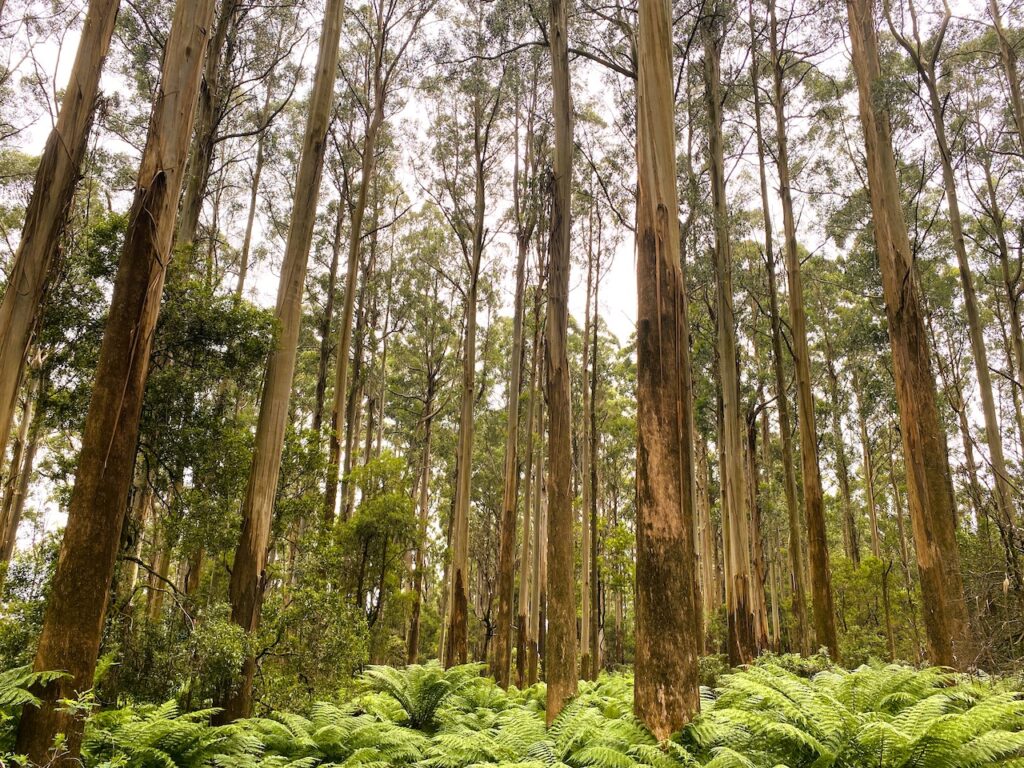
It seems that the people who came up with the plan to return all Western Australia’s and Victoria’s public land to a cycle of lockup and incinerate wilderness management know as much about forest management and timber supply timelines as an average kindergarten pupil. – Quote from South East Timber Association
When I started as a young forester in the late 1980s, I yearned for the opportunity to work in our native forests.