Conservation in Australia is largely a matter of pious intentions.
Germaine Greer
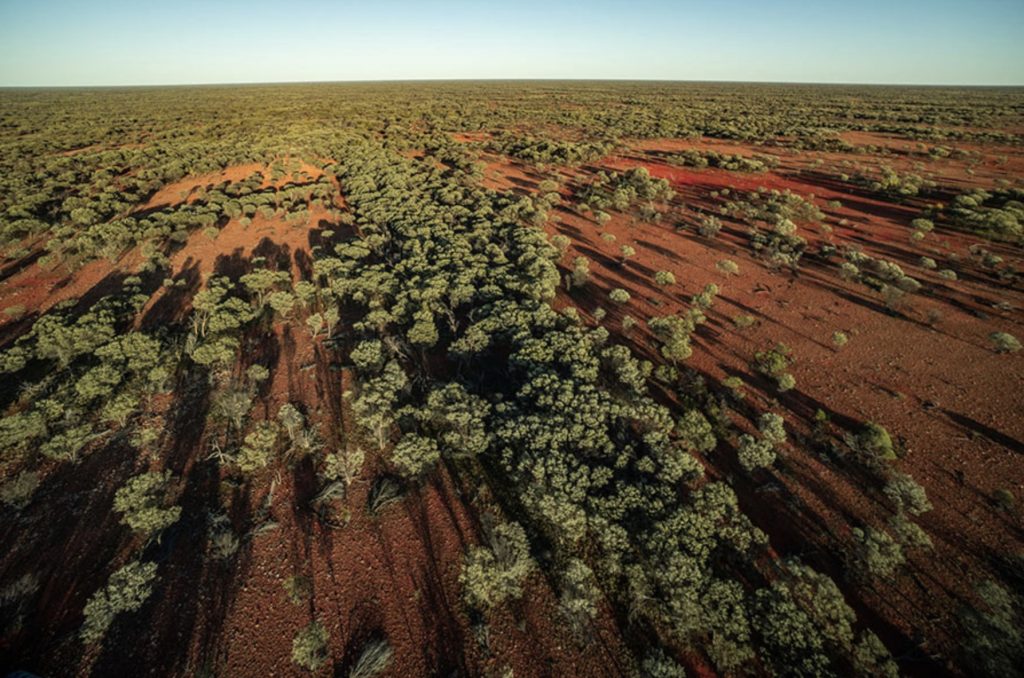
When Anthony Albanese’s Labor government came to power in May 2022, environmental groups quickly pressed their wishlist onto the incoming ministers. Near the top was a global conservation commitment to protect 30 per cent of Australia’s land and oceans by 2030, part of a United Nations-endorsed pledge to halt biodiversity decline.
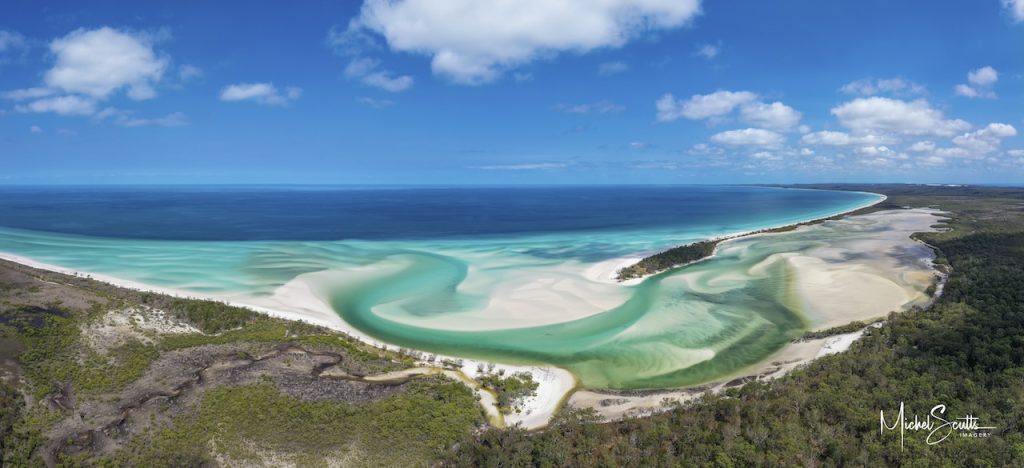
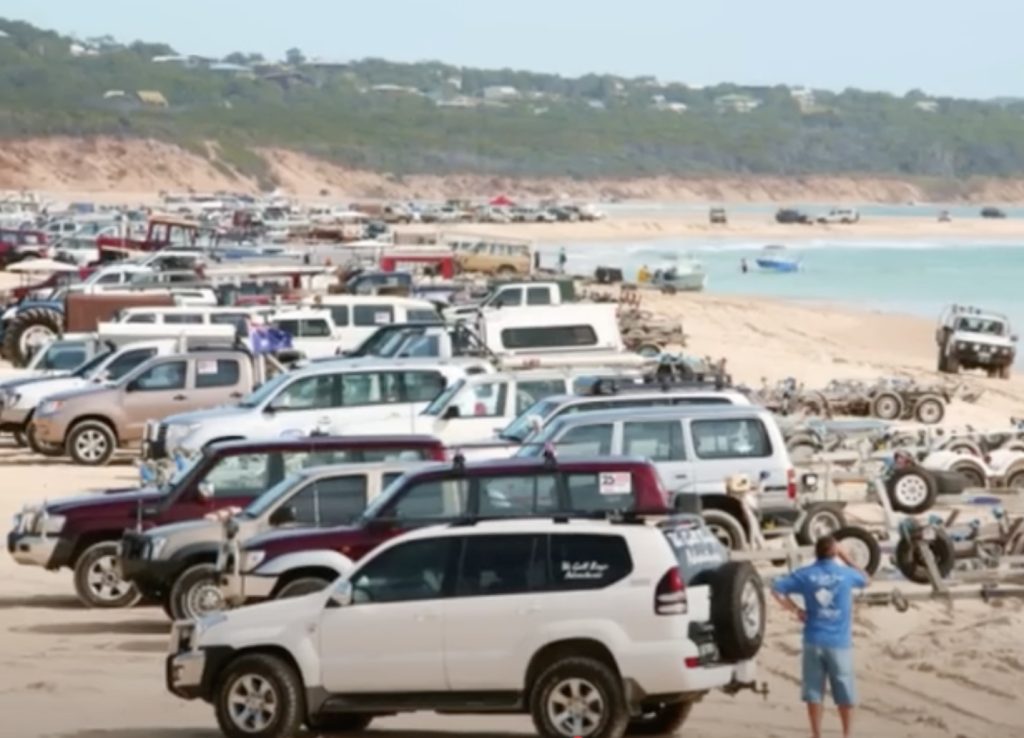
Many might be surprised to learn that Fraser Island, famous for its pristine beaches and towering sand dunes, was once suggested as the location for a shark factory. Not just once, but on two occasions.
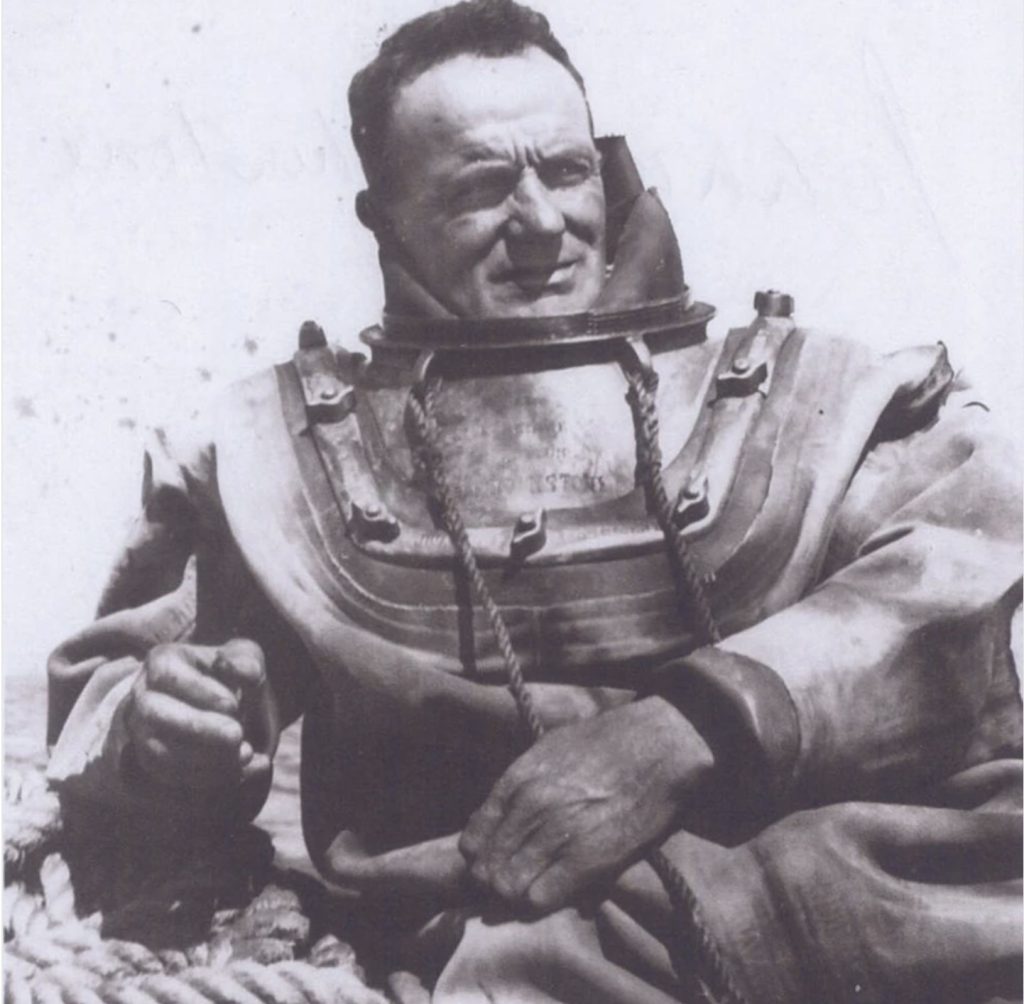
The first proposal came from an unexpected entrepreneur. Captain Herbert C.
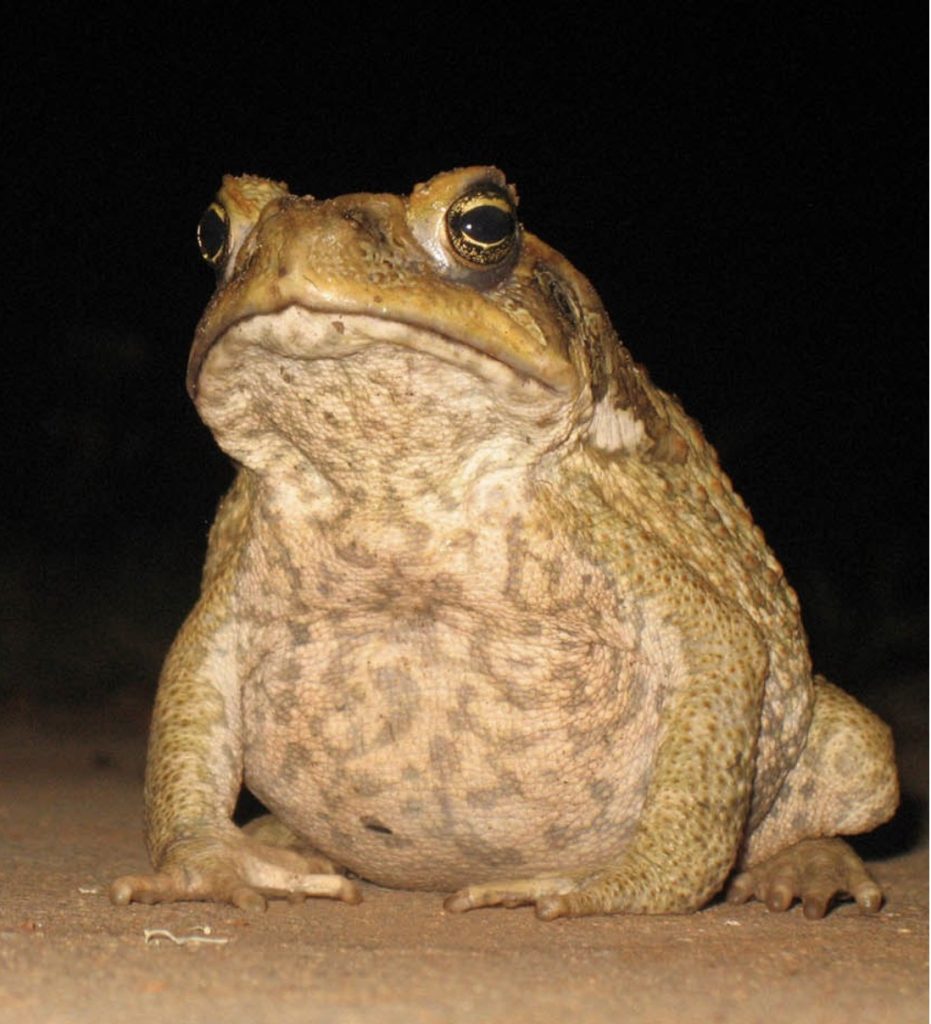
Ninety years ago this month, Australia embarked on an ambitious but ultimately ill-fated experiment in biological control.
In 1935, Queensland sugar cane farmers faced a relentless enemy—the cane beetle. These voracious insects burrowed into sugarcane roots, devastating crops and threatening an industry vital to the nation’s economy. Desperate for a solution, scientists at the Bureau of Sugar Experiment Stations (BSES) looked to overseas biological control methods for inspiration.
The prosperity of the Hastings Valley was shaped by the hard work of timber workers and the power of sawmills. It is a valley of vast forests, where towering blackbutts (Eucalyptus pilularis), tallowwoods (E.microcorys), Sydney blue gums (E.saligna), brushboxes (Lophostomen confertus) and flooded gums (E.
Nations are not built by those who sit down and ask for doles or alms, but by the daring and the bold. They are not built by the timid, but by the dauntless and adventurous.
R. S. Maynard
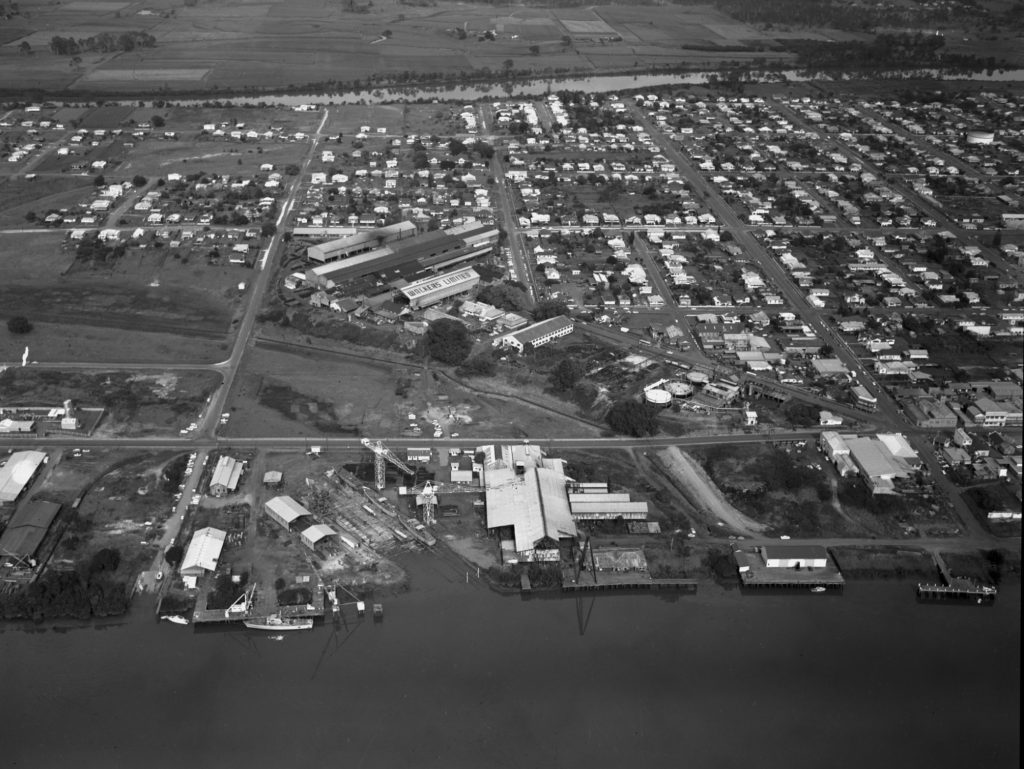
Maryborough was truly an essential industrial city in Queensland’s early history. It served as a pivotal distribution centre that supported three major industries: agriculture, manufacturing, and timber.
Sir Reginald (Reg) Barnewall’s ambitious dream of developing a resort on Fraser Island is a fascinating chapter in the island’s history. In the 1960s, Barnewall envisioned creating a high-end resort that would attract visitors to the island’s natural beauty, which was then known more for its timber industry and fishing than for tourism.
In 1859, the first underwater telegraph cable in the Southern Hemisphere and the longest in the world was laid across Bass Strait.
Planning began in 1853 when discussions were held to build an overland line from Hobart in the south to Launceston in the north of Tasmania, extending across Bass Strait to Victoria.
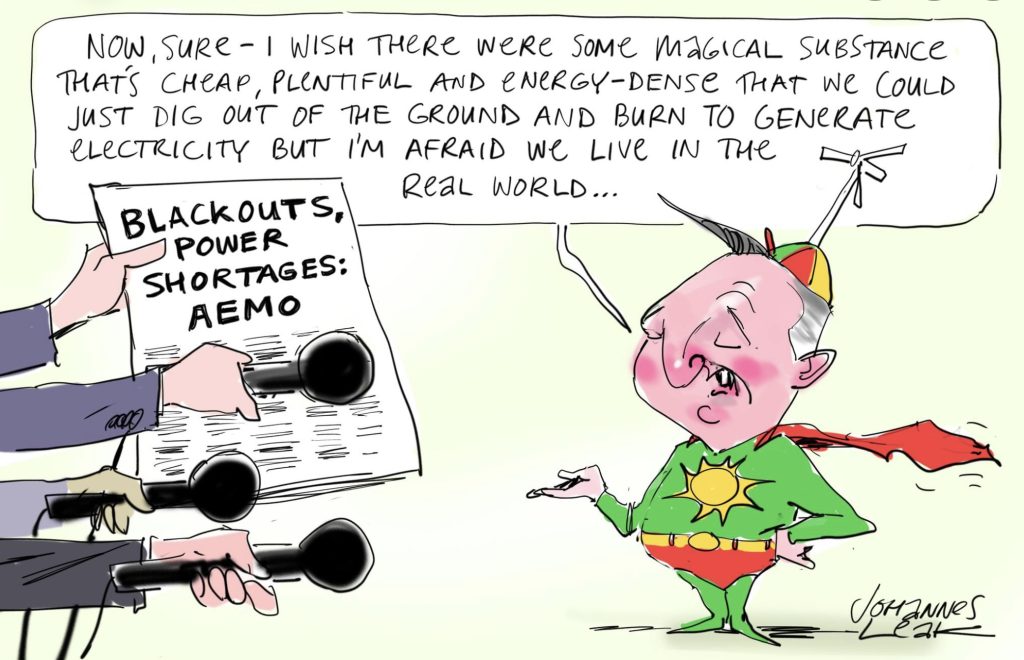
Australia has been actively closing its major coal power plants despite their clear advantages in terms of low operating costs and the ability to provide continuous baseload power, regardless of weather conditions. This reckless policy experiment has led to soaring energy prices and jeopardised reliability.
Despite clear warnings, governments and regulators have doubled down on forcing coal out of the market, despite its ability to provide dependable, dispatchable power in favour of intermittent renewables that cannot.
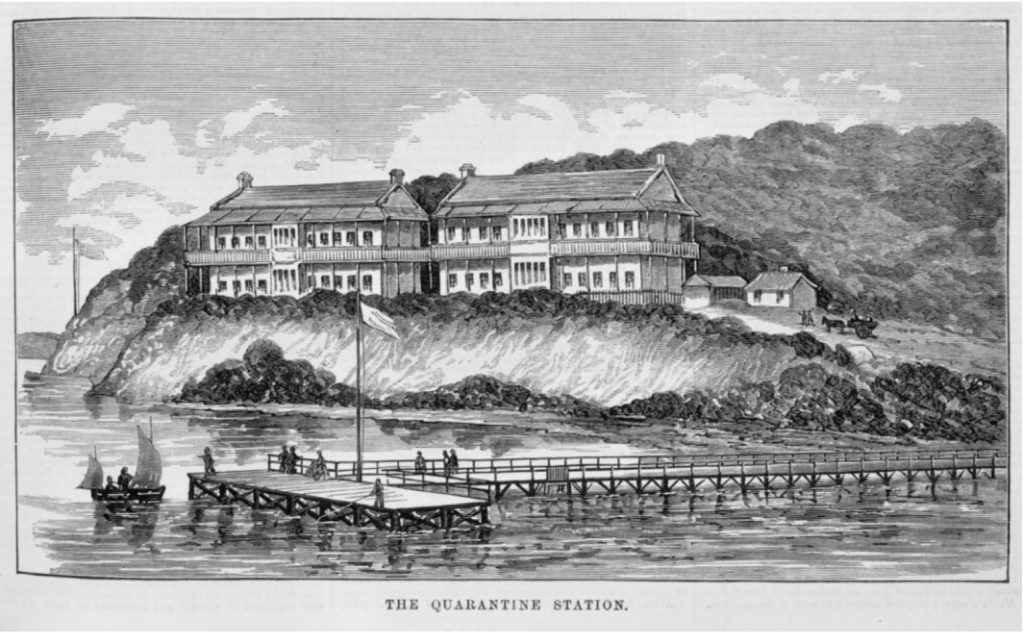
Point Nepean, located at the tip of Victoria’s Mornington Peninsula, is a site of remarkable historical significance. It houses Australia’s second-oldest surviving barracks-style quarantine buildings and fortifications that once protected the colony’s coastline. As the primary quarantine station in Victoria until 1979, Point Nepean played a pivotal role in safeguarding public health.
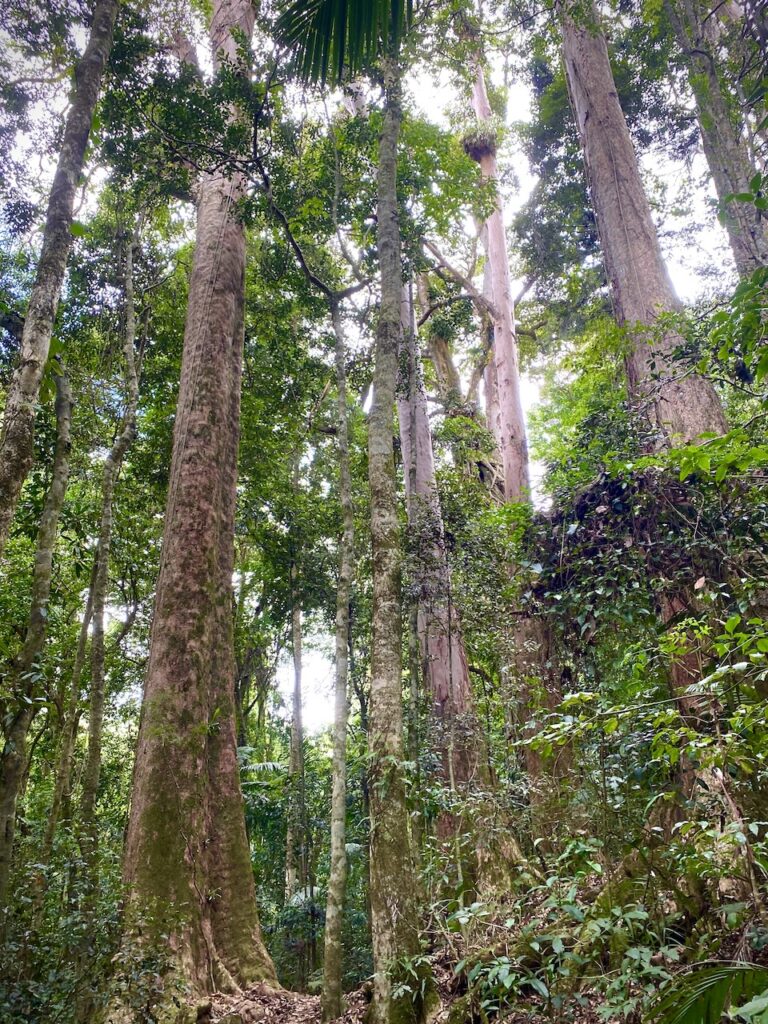
Queensland’s national parks are a testament to the foresight and dedication of its early foresters. What set forest management apart in Queensland from the other states was the role of foresters in managing national parks. While their counterparts in other states focused primarily on timber and the sustainable utilisation of the timber resource, Queensland’s foresters were pioneers in balancing conservation with economic interests.