Some families pass silently through history, leaving little more than a name on a record or a fading photograph in an archive. Others become forever tied to the lands they helped shape, like the Postans, later Postan, whose story on Fraser Island is not just about timber extraction but also about endurance, ingenuity, conflict and ultimately reinvention.
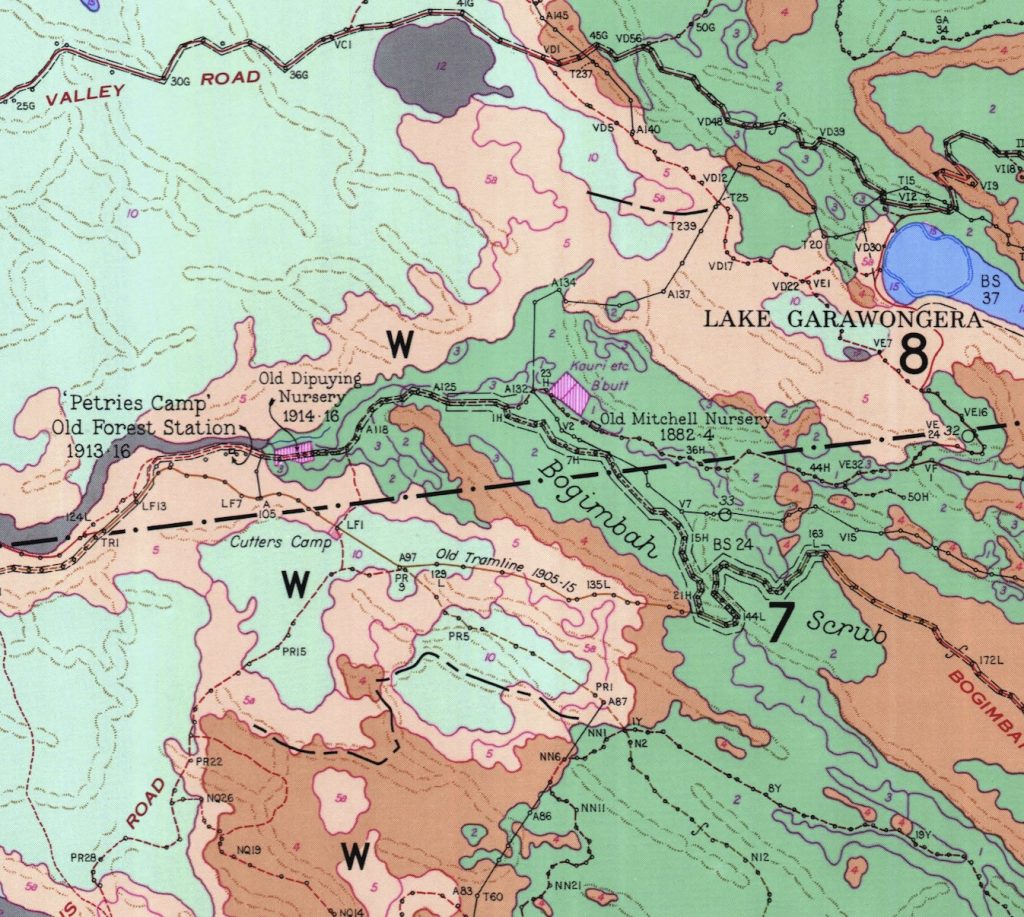
In Chapter 13 of my bookParadise Preserved: a history of forestry on Fraser Island, I outline one of Queensland’s earliest efforts to restore a forest resource that was already showing signs of depletion. In the early 1880s, the colonial government quietly funded a modest trial to plant kauri pine on Fraser Island, a venture that foreshadowed the development of scientific forestry in Queensland many decades later.
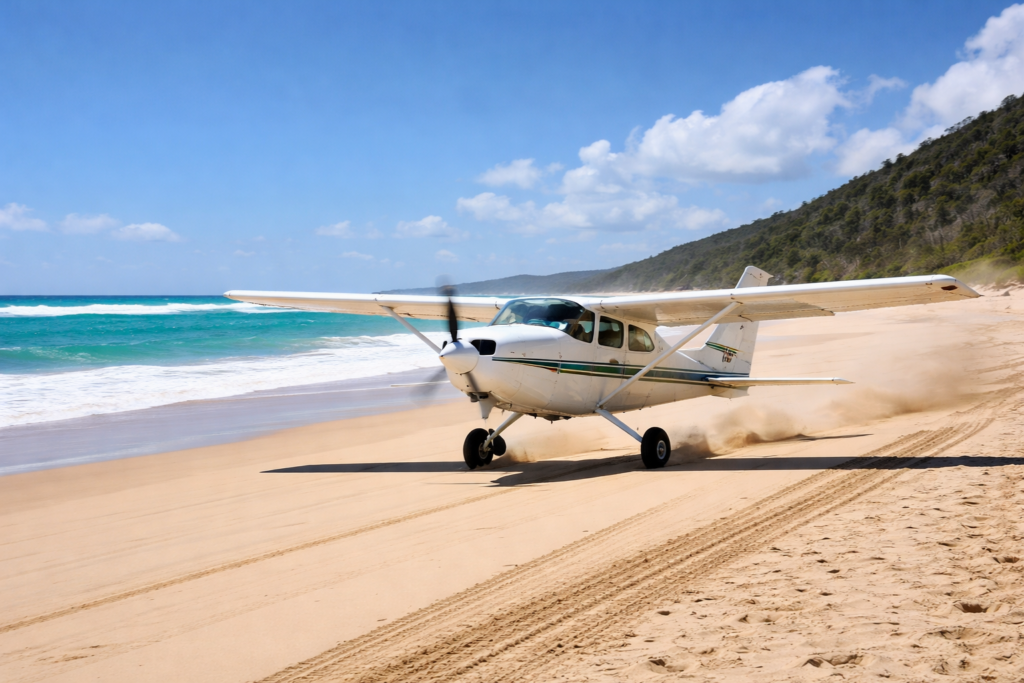
There is a long stretch of beach on the eastern side of Fraser Island where, at low tide, the sand hardens into something that eerily resembles a runway. It is straight and wide, and from above it looks almost intentionally designed, as if nature itself had foreseen the arrival of aeroplanes and laid out a landing strip accordingly.
At the northern tip of Fraser Island, where the Pacific Ocean crashes its long rolling waves against a lonely stretch of sand, and the wind erodes the dune crests into shifting crescents, a small timber building once stood as a symbol of the young colony’s civilising ambition.
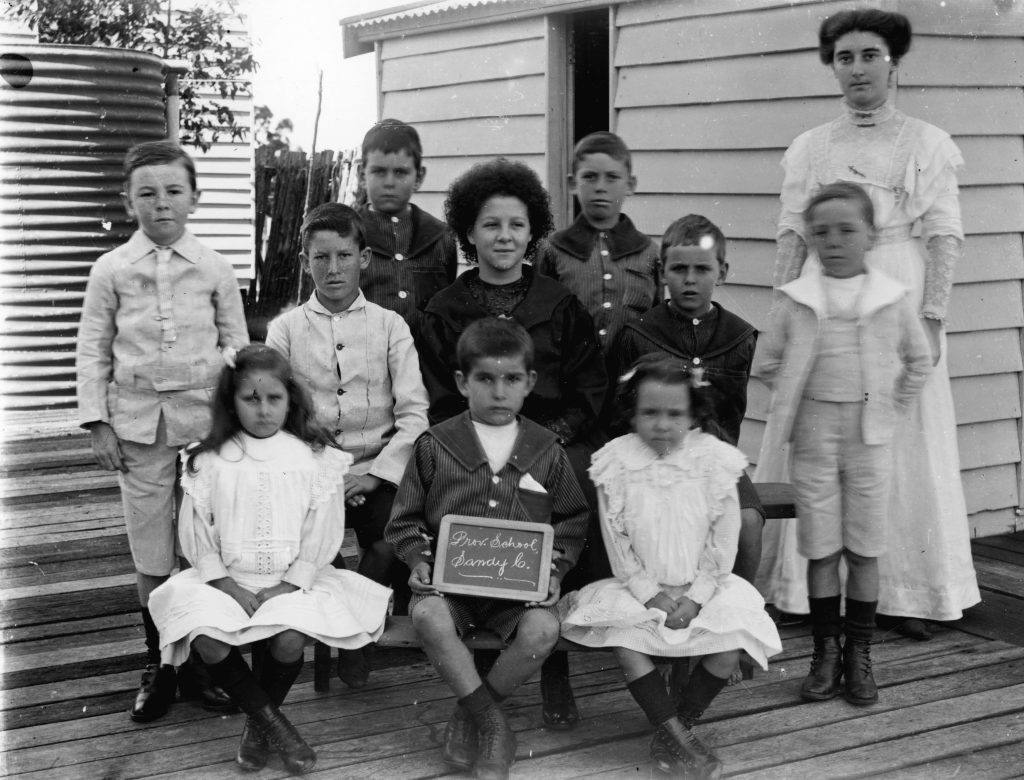
From 1870 to 1918, Sandy Cape Provisional School was situated at the base of the lighthouse — fully 50 miles from the nearest meaningful settlement and entirely reliant on the irregular visits of a government steamer for supplies, mail and news of the wider world.
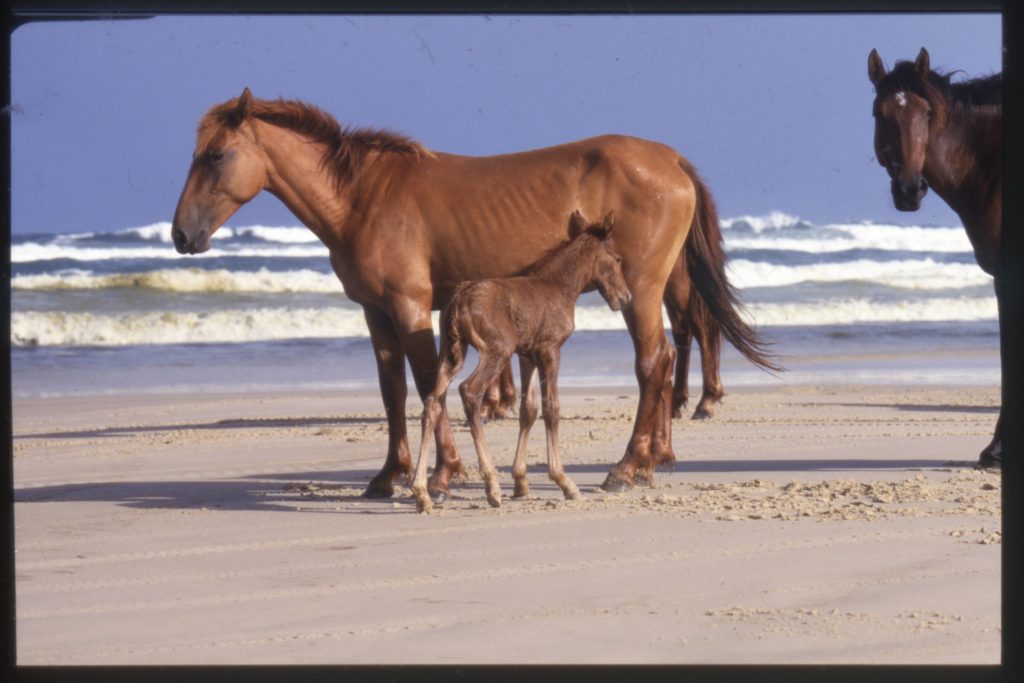
For a long time, the brumbies of Fraser Island sat in an awkward place in the island’s story. They were too visible to be ignored, too inconvenient to be celebrated, and too deeply part of history to dismiss as a recent mistake. As a result, they were often talked about but rarely explained properly.
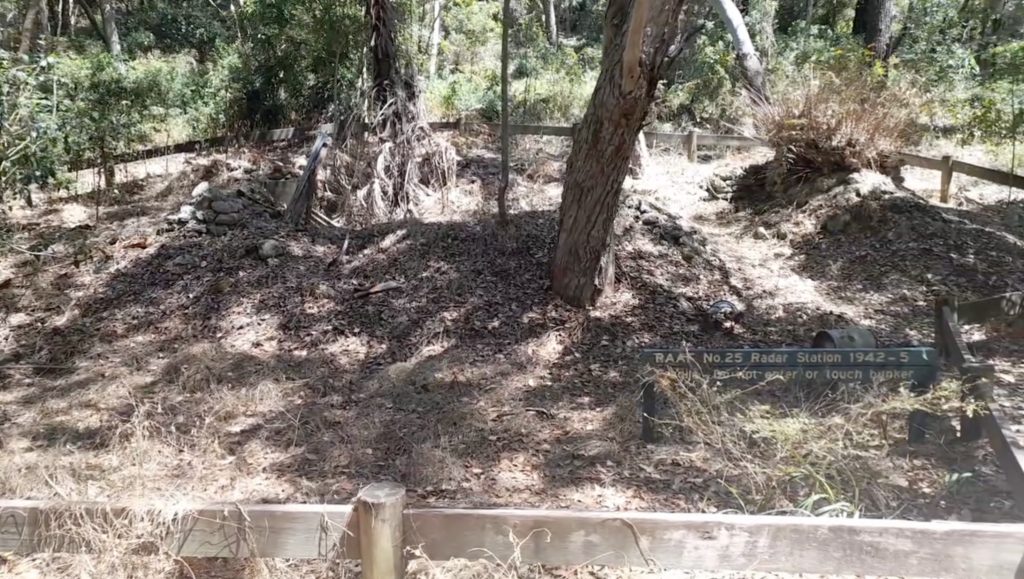
In the early years of the Second World War, long before the crackle of a radar echo became familiar to Australian ears, the remote headlands scattered around the continent’s coastline were quiet, almost forgotten places. They were the domain of lighthouse keepers and fishermen. But by 1942, the steady march of conflict across the Pacific had turned many of these lonely outposts into vital parts of Australia’s early-warning system.
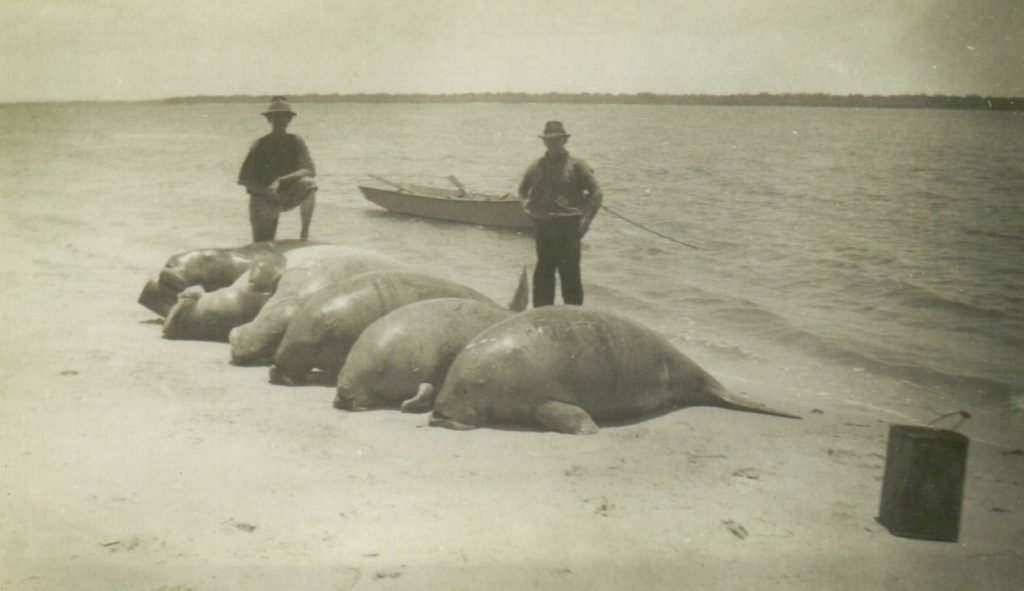
Long before modern marine conservation efforts, the expansive, shallow waters of the Great Sandy Strait and Hervey Bay were home to one of Australia’s most remarkable and ultimately tragic commercial marine harvests. Here, in the connected estuaries, islands and seagrass meadows off Queensland’s Fraser Coast, European settlers encountered vast herds of dugong — large, gentle marine mammals that hundreds of years earlier had supported Indigenous subsistence hunting.
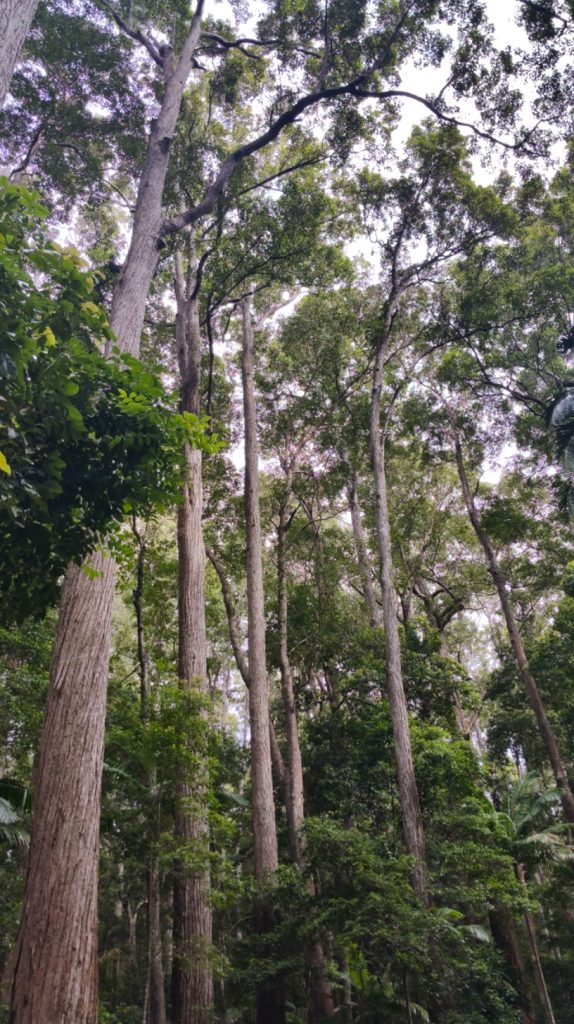
I have previously written about satinay. In an earlier essay, ‘The aristocratic satinay,’ I explored the history of this remarkable Fraser Island timber, from its initial neglect to its eventual recognition as one of Australia’s finest hardwoods. That story emerged from years spent in and around Fraser Island’s forests and from a fascination with how a timber once considered unworkable came to be highly valued for flooring, furniture and demanding marine applications.
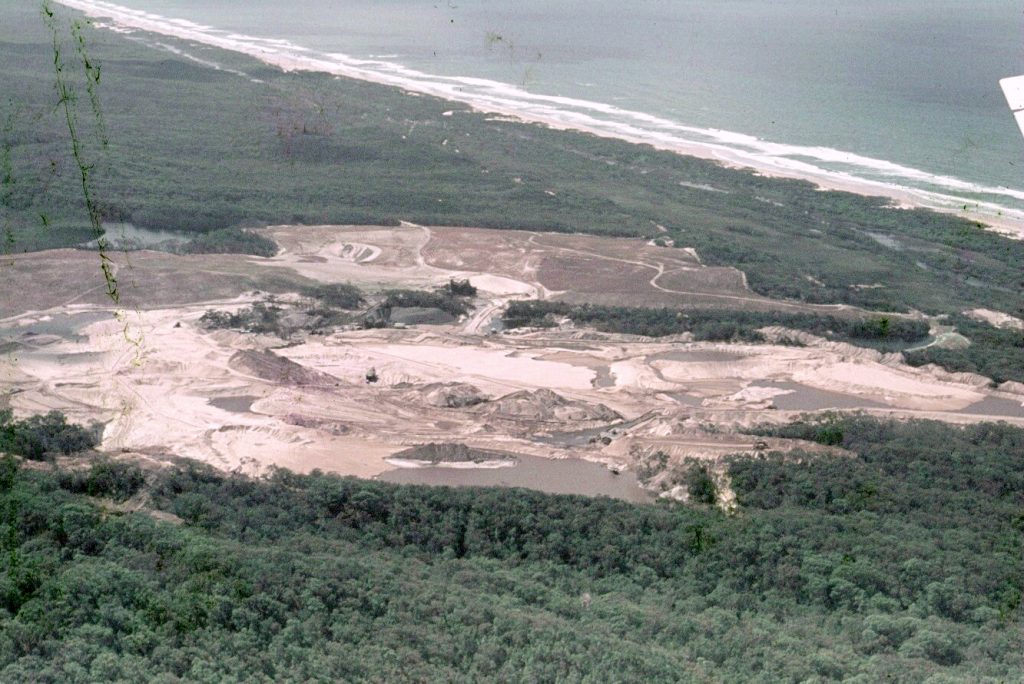
The story of Australian sand mining spans over more than a century, beginning not with industry, but with the pursuit of gold. In the late 1800s, small groups of miners panned the black beach sands along Australia’s east coast, from Bermagui in New South Wales to Fraser Island in Queensland, searching for a few shimmering specks.
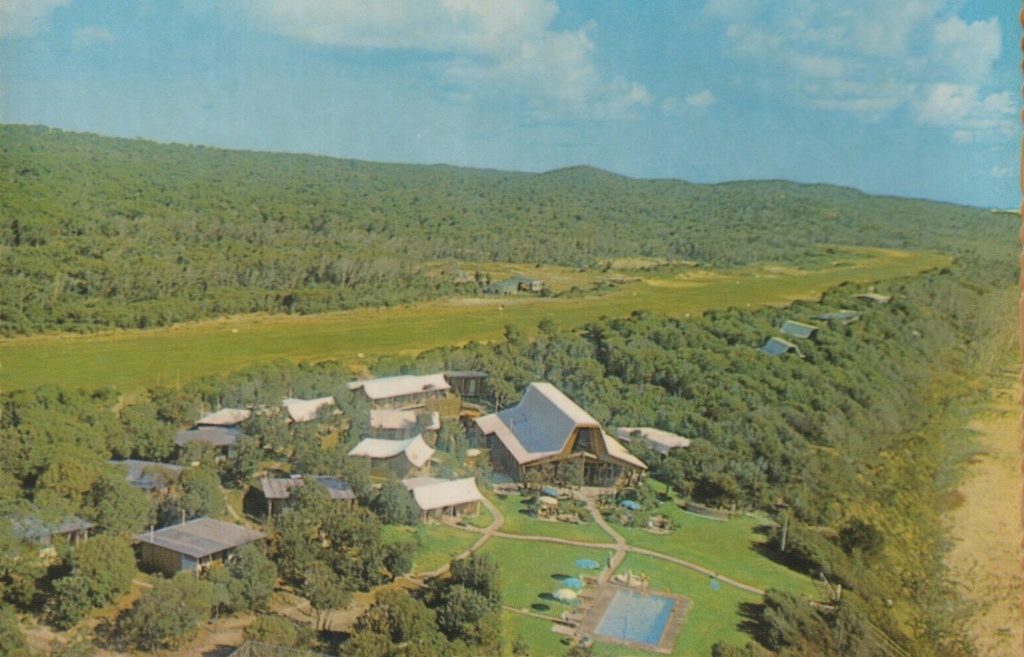
Sir Reginald Barnewall was a man of the air long before he ever set eyes on Fraser Island. He was born into a wealthy Victorian grazing family whose history went back to the Norman conquest. A baronet, he carried himself with the confidence of privilege but also with the restless ambition of a man who wanted more than land and cattle.