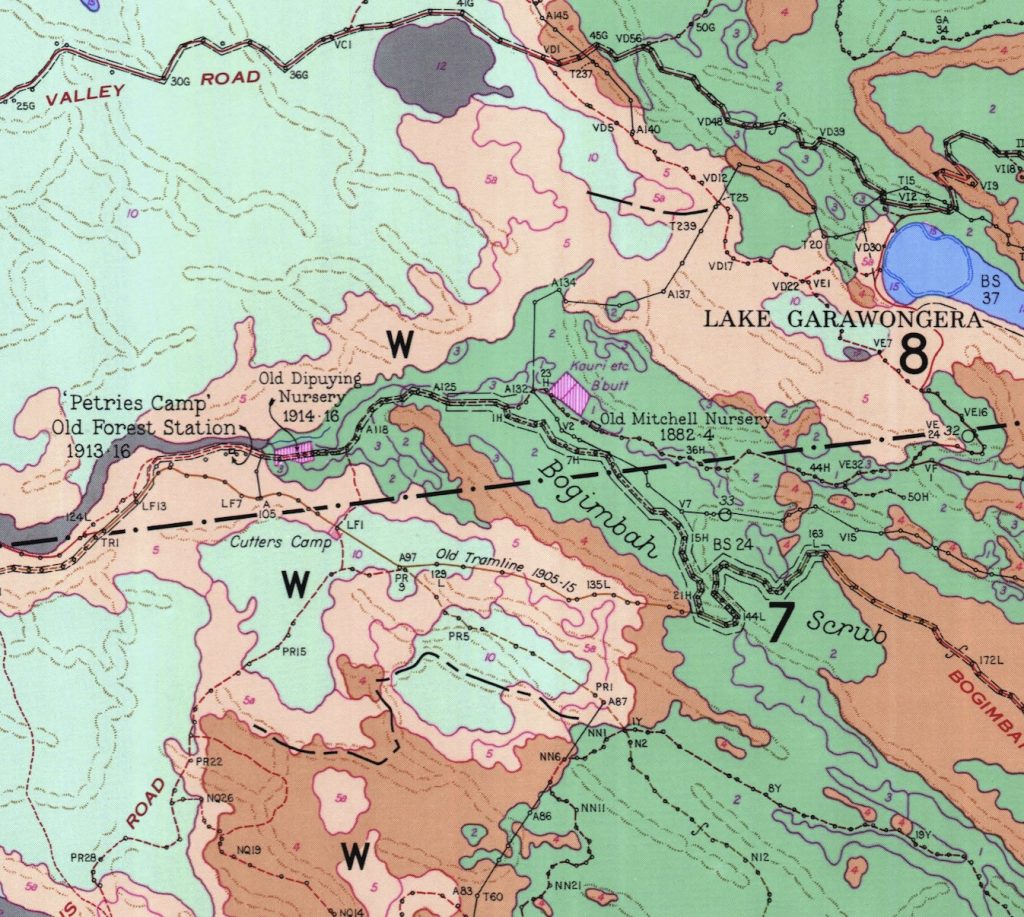
In Chapter 13 of my bookParadise Preserved: a history of forestry on Fraser Island, I outline one of Queensland’s earliest efforts to restore a forest resource that was already showing signs of depletion. In the early 1880s, the colonial government quietly funded a modest trial to plant kauri pine on Fraser Island, a venture that foreshadowed the development of scientific forestry in Queensland many decades later.
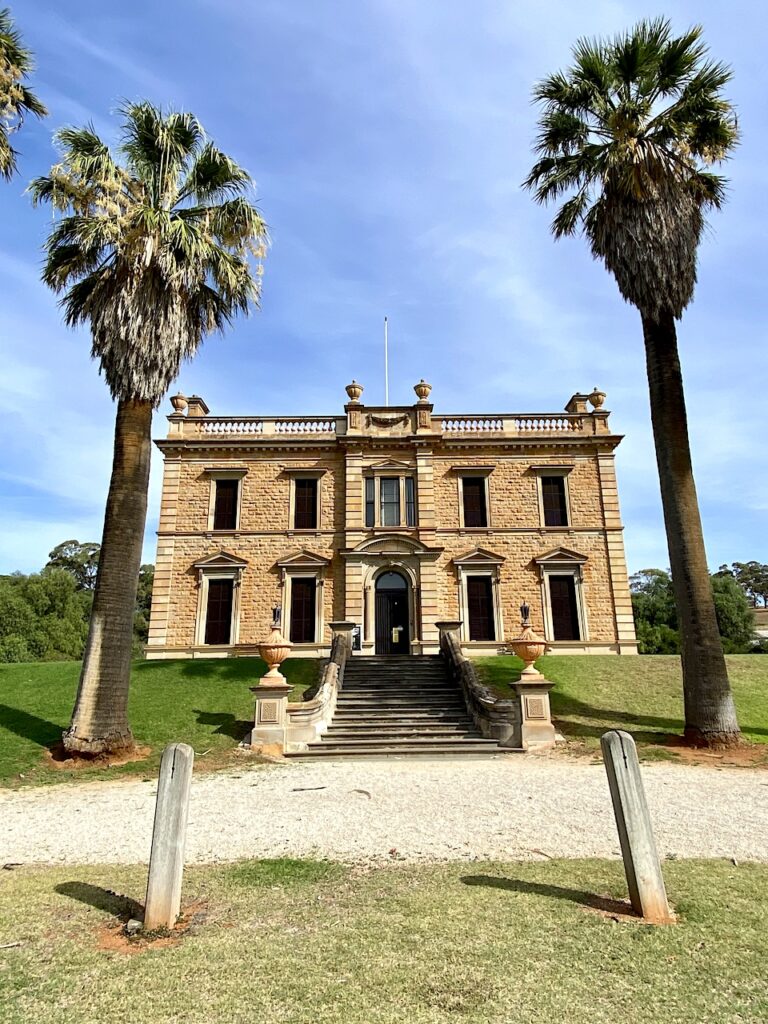
Few places in Australia can transport visitors so completely into another age as Martindale Hall.
Approaching from the historic township of Mintaro in South Australia’s Clare Valley, the first impression is one of surprise. Beyond the vineyards, grazing lands and stone cottages of the district stands a grand sandstone mansion that appears more suited to the English countryside than the Australian bush.
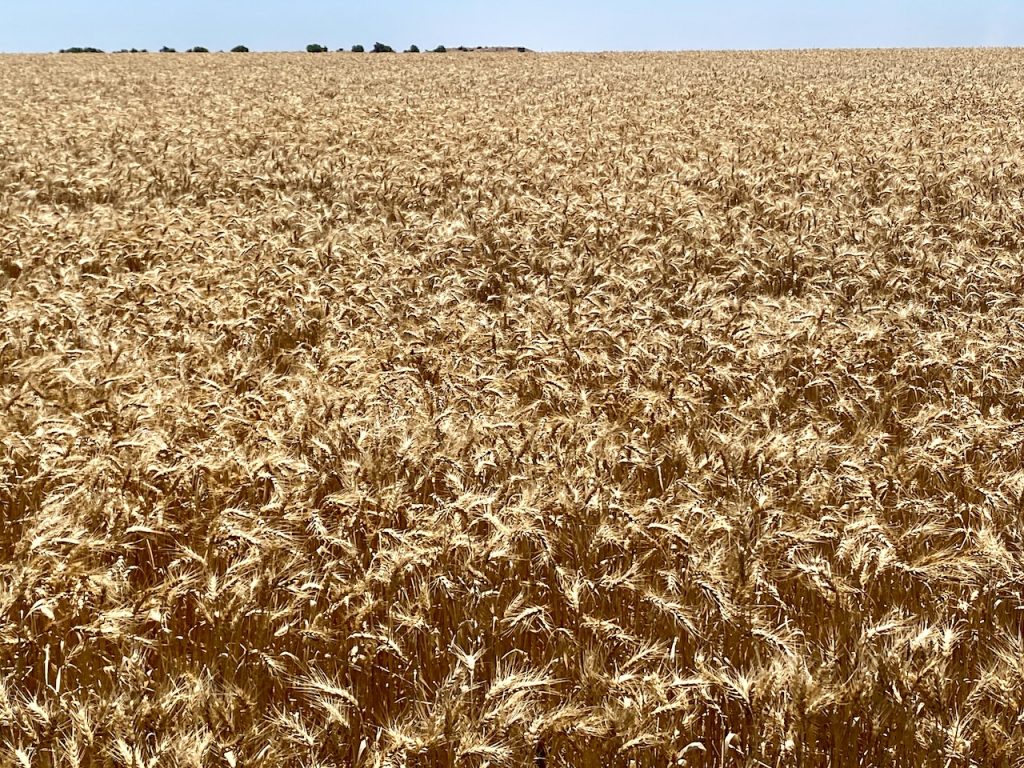
The mallee was not cleared because people were careless or negligent. It was cleared because they were hungry.
Not hungry in the rhetorical sense of modern politics, where scarcity is often theoretical and abundance is assumed. Hungry in the old sense, where food had to be grown close to where it was eaten, where freight was expensive, unreliable and slow and where a colony that could not feed itself could not survive for long.