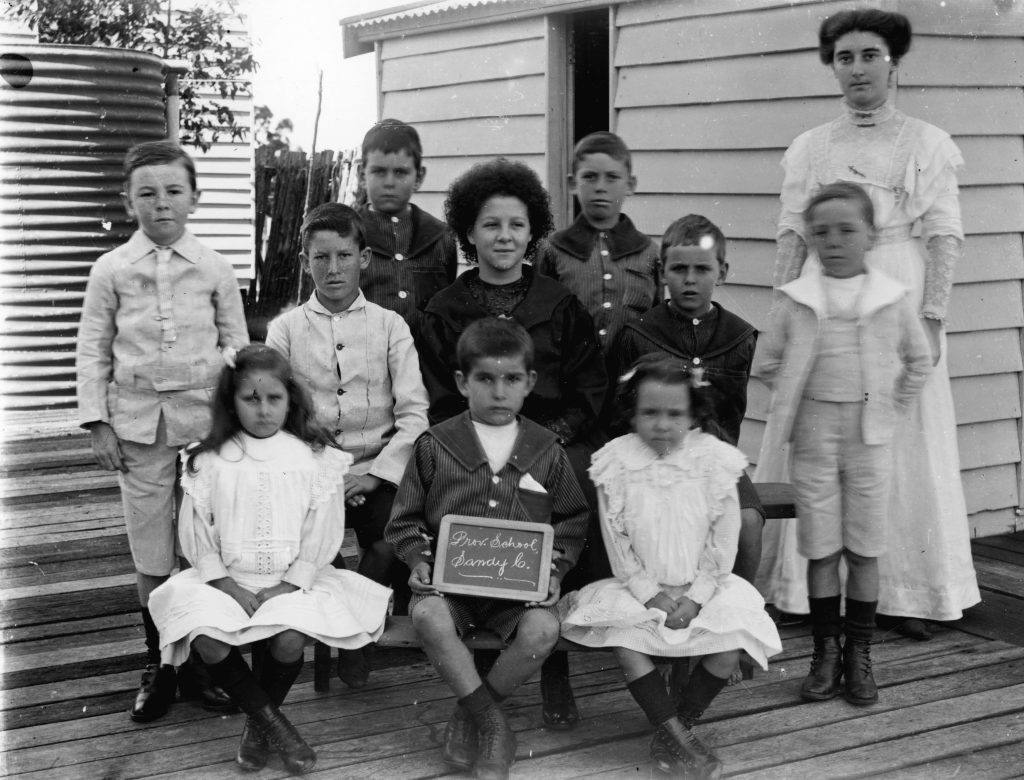
At the northern tip of Fraser Island, where the Pacific Ocean crashes its long rolling waves against a lonely stretch of sand, and the wind erodes the dune crests into shifting crescents, a small timber building once stood as a symbol of the young colony’s civilising ambition.
From 1870 to 1918, Sandy Cape Provisional School was situated at the base of the lighthouse — fully 50 miles from the nearest meaningful settlement and entirely reliant on the irregular visits of a government steamer for supplies, mail and news of the wider world.
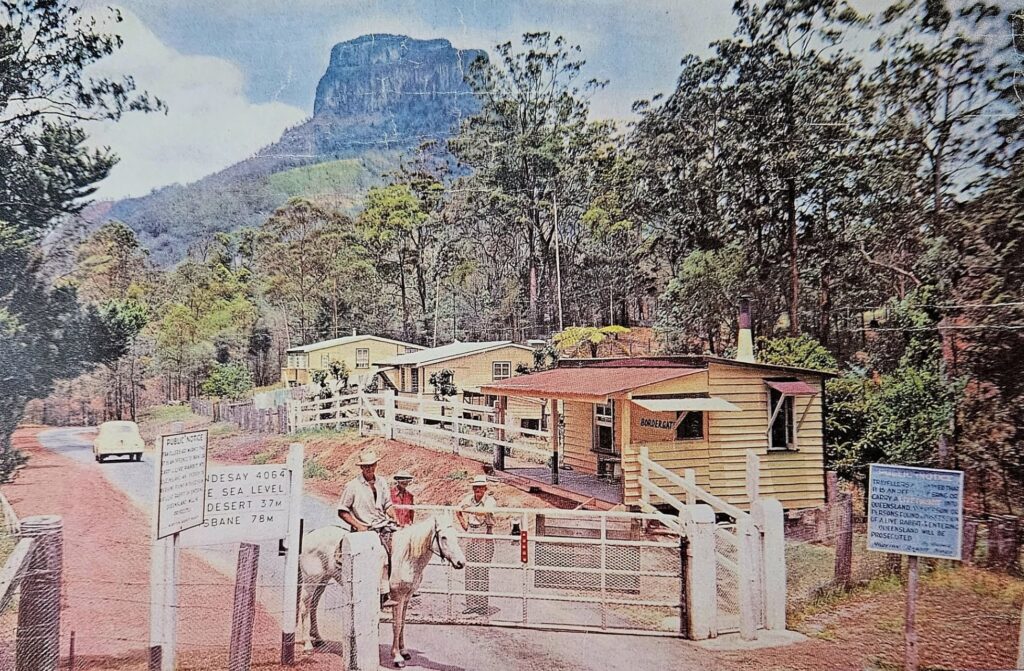
We had been winding our way along the McPherson Range, the road rising and falling through pockets of rainforest and open ridgelines, when we crossed from New South Wales into Queensland almost unnoticed. There was no gate, delay, or uniformed inspector asking questions, just a sign by the roadside and a subtle shift in the feel of the country.
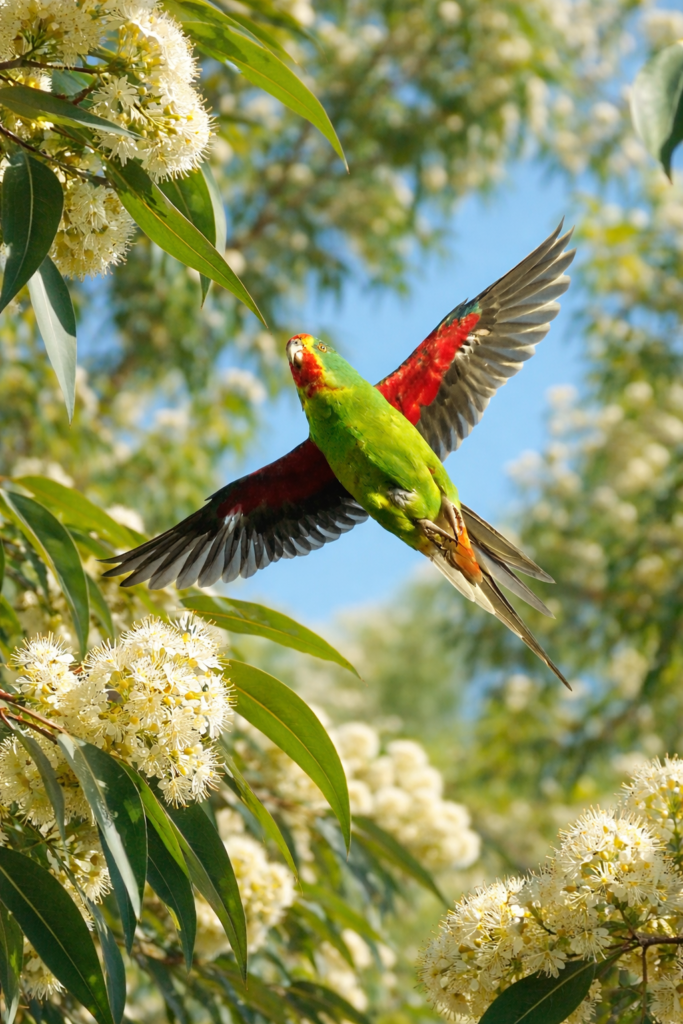
Few species in Australia have been so effectively weaponised in public debate as the swift parrot. A small, fast-flying migratory bird that once moved in flocks of hundreds across the forests of eastern Tasmania has, in recent decades, been recast as more than just a species in trouble. It has become a symbol, a banner, and, most conveniently of all, a scapegoat.