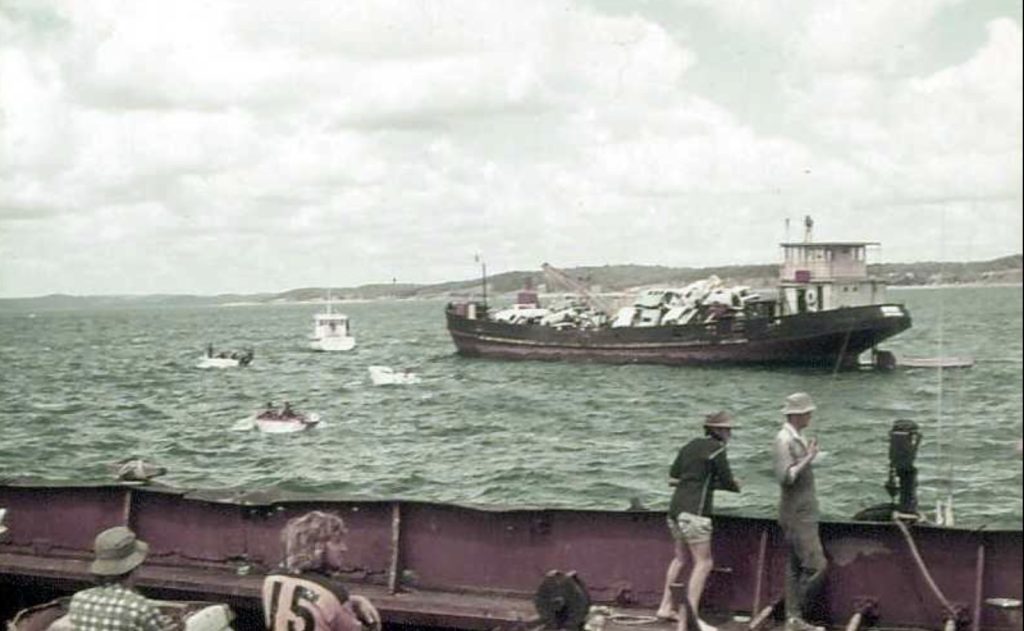
In the mid-1960s, Hervey Bay’s once-abundant fishing waters showed worrying signs of decline. The prawn trawlers still worked the inshore grounds, and weekend anglers from Maryborough and Hervey Bay launched from Urangan to chase mackerel and coral trout. However, old-timers noticed a disturbing trend. There were fewer fish, smaller catches and lifeless stretches of seabed once full of coral and sponges.
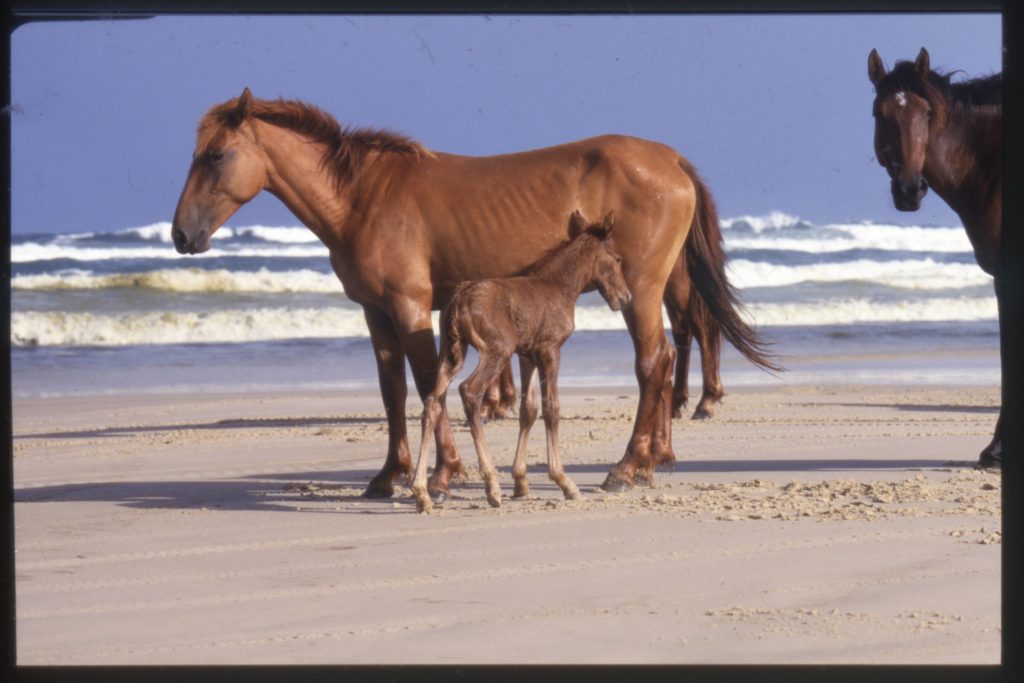
For a long time, the brumbies of Fraser Island sat in an awkward place in the island’s story. They were too visible to be ignored, too inconvenient to be celebrated, and too deeply part of history to dismiss as a recent mistake. As a result, they were often talked about but rarely explained properly.
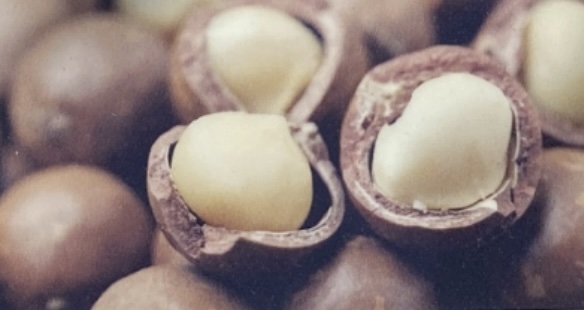
When most Australians crack open a macadamia and taste that creamy, sweet kernel inside a shell hard enough to blunt a hammer, few stop to think about how old this nut really is. Long before farmers worked the Wide Bay or northern New South Wales, and well before Europeans set foot in the southern hemisphere, the macadamia’s ancestors were already thriving.
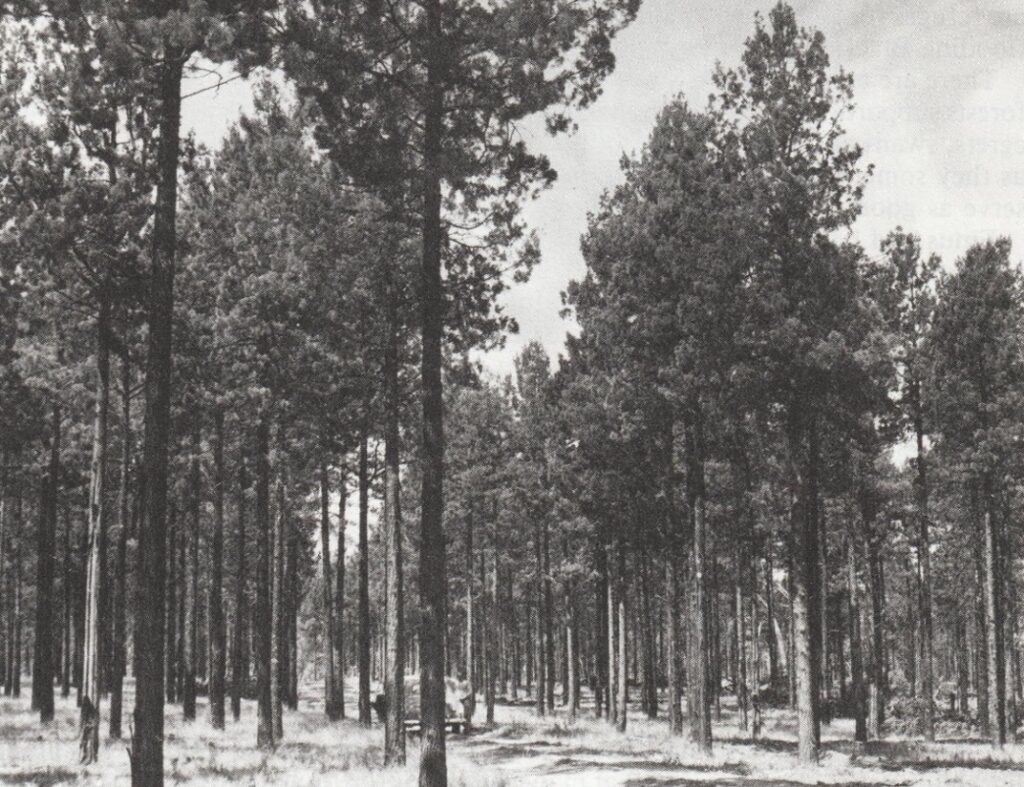
This will be seen as one of the great books about Australia. Eric Rolls gives the history of the forest the laconic power of an extended campfire yarn, spiced with the personal vision that comes from a lifetime of acute observation.
Historian Professor Weston Bate, on A Million Wild Acres.