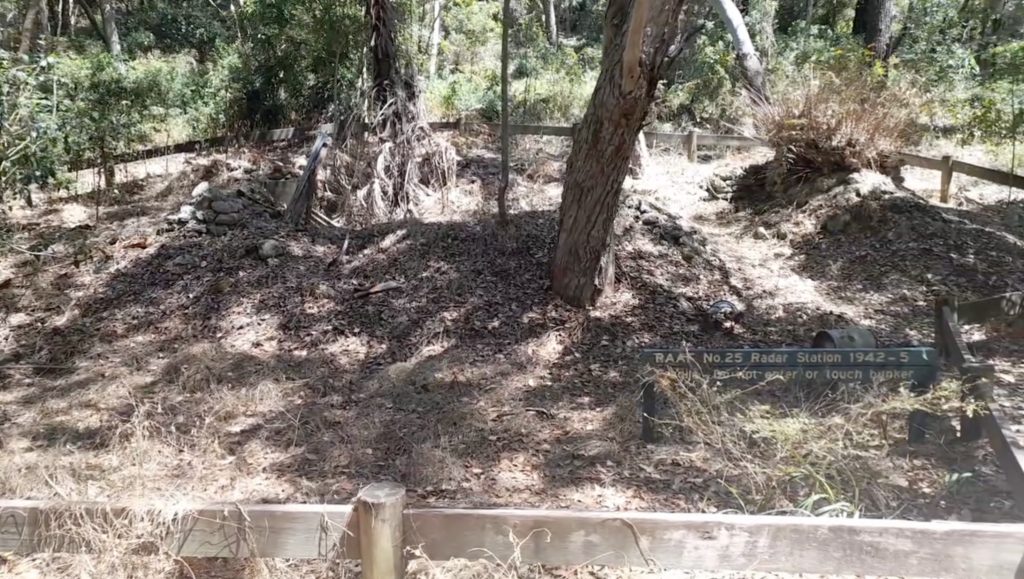
In the early years of the Second World War, long before the crackle of a radar echo became familiar to Australian ears, the remote headlands scattered around the continent’s coastline were quiet, almost forgotten places. They were the domain of lighthouse keepers and fishermen. But by 1942, the steady march of conflict across the Pacific had turned many of these lonely outposts into vital parts of Australia’s early-warning system.
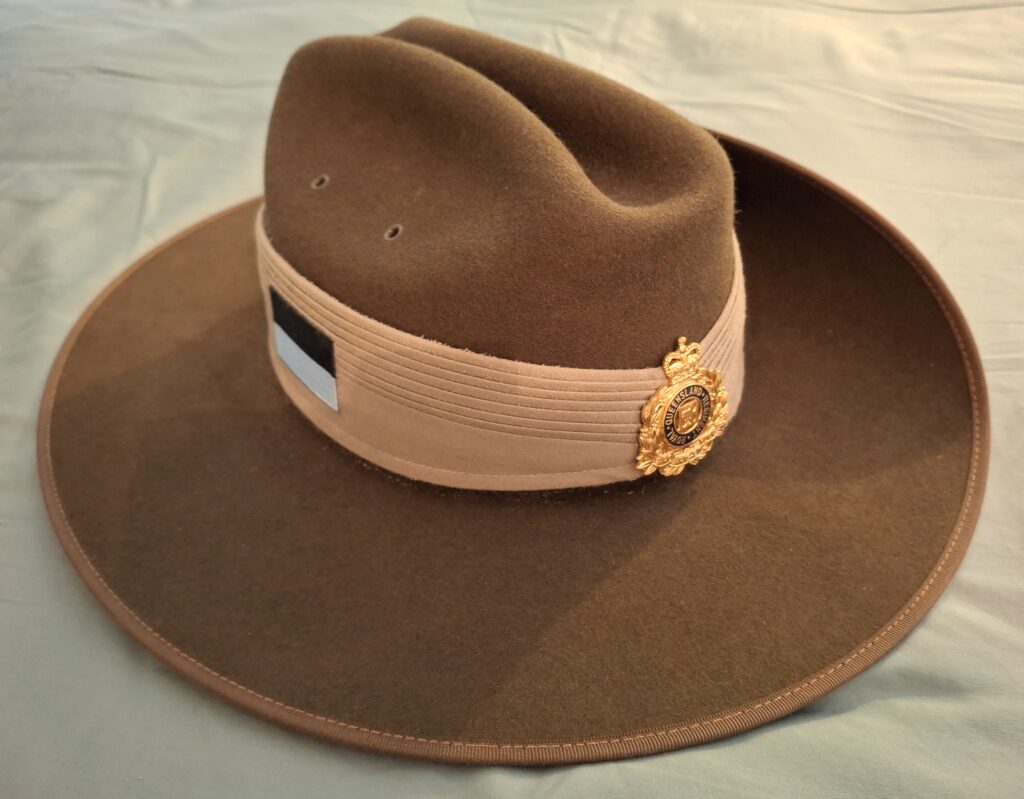
My interest in the slouch hat originally stemmed from my research into the Australian Light Horse and their use of the emu feather in their headgear. However, I quickly realised that the slouch hat itself was more than just a backdrop to that famous plume – it told a story worth sharing in its own right.
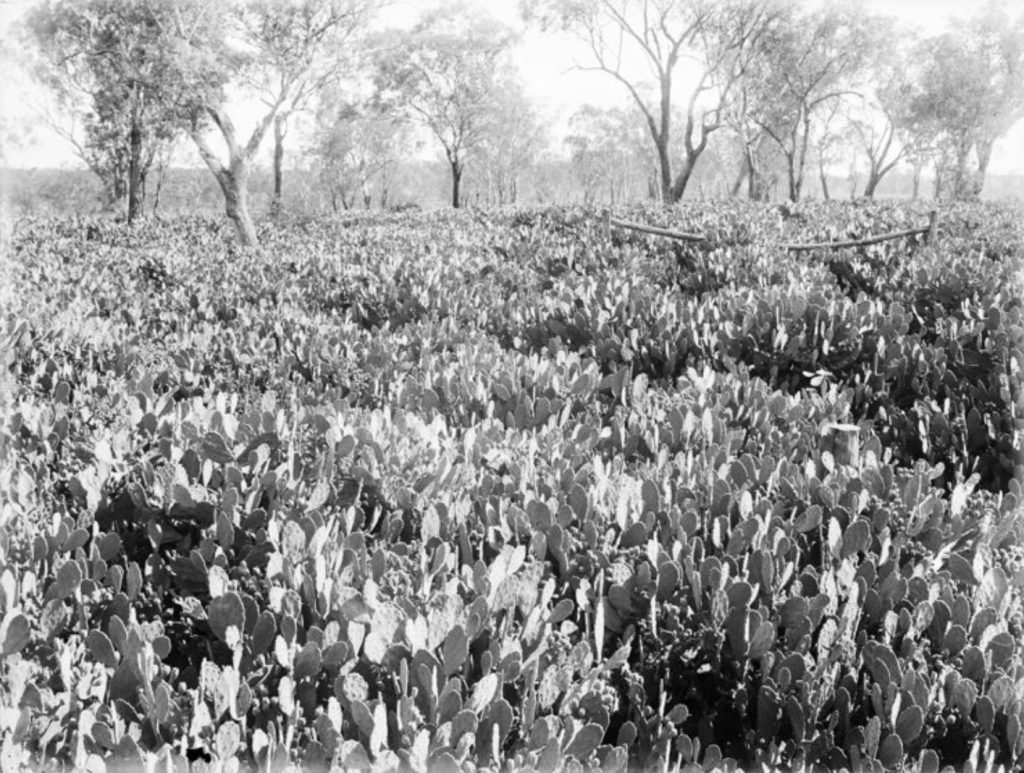
When Australians today drive through the rich farming country of the Western Downs, it is nearly impossible to picture the landscape as it was a hundred years ago, when it was covered by a living, spiny mass. From the horizon in every direction, vast plains of prickly pear stretched like a green-grey ocean, consuming homesteads, fences, paddocks, creeks and entire townships.