
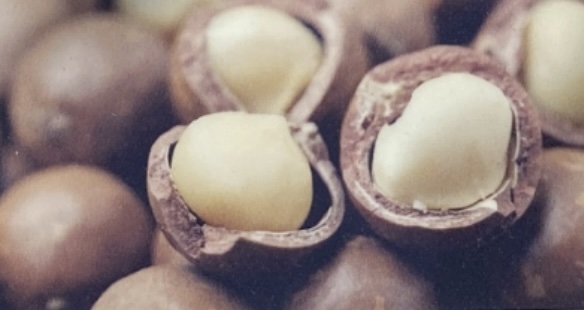
When most Australians crack open a macadamia and taste that creamy, sweet kernel inside a shell hard enough to blunt a hammer, few stop to think about how old this nut really is. Long before farmers worked the Wide Bay or northern New South Wales, and well before Europeans set foot in the southern hemisphere, the macadamia’s ancestors were already thriving. In fact, they were here before Aboriginal civilisation and even before Australia took its present shape — back when the land was still part of the vast, humid forests of the Gondwana supercontinent.
Macadamias belong to the Proteaceae family, one of Australia’s largest and most diverse plant groups. Like banksias, grevilleas and waratahs, macadamias have deep evolutionary roots. Their earliest ancestors appeared at least 90 million years ago, when the world was very different. Gondwana included landmasses now called South America, Antarctica, Africa, India, New Zealand, and Australia. About 150 million years ago, this vast continent began breaking apart, and Australia drifted slowly north.
Sheltered by warm, humid air and nourished by volcanic soils, the eastern ranges became an ideal refuge where macadamias could evolve in their own time. Over millions of years, they adapted to small, isolated pockets of rainforest along the coast, gradually forming the species we know today. Their ancestors clung to life in steep gullies, on basalt ridges, and across the richer slopes where moisture and shelter allowed them to endure.
Survival through isolation
Macadamias were once part of a broader Gondwanan family spread across what remains of the great southern continents. Their relatives diverged over millions of years. Some made their way into South Africa, evolving into wild almonds of the Brabejum genus; others drifted, probably through massive flood events and ocean currents, to what would become South and Central America, resulting in lacewood trees.
But in Australia, four species evolved, all descended from a common ancestor roughly seven million years ago. They are Macadamia integrifolia (Queensland nut), M. tetraphylla (rough-shelled bush nut), M. ternifolia (Gympie nut), and M. jansenii (Bulburin nut).
Of these, only the first two produce sweet, edible nuts. The others generate bitter kernels filled with cyanogenic compounds that probably acted as a natural defence against pests and predators.
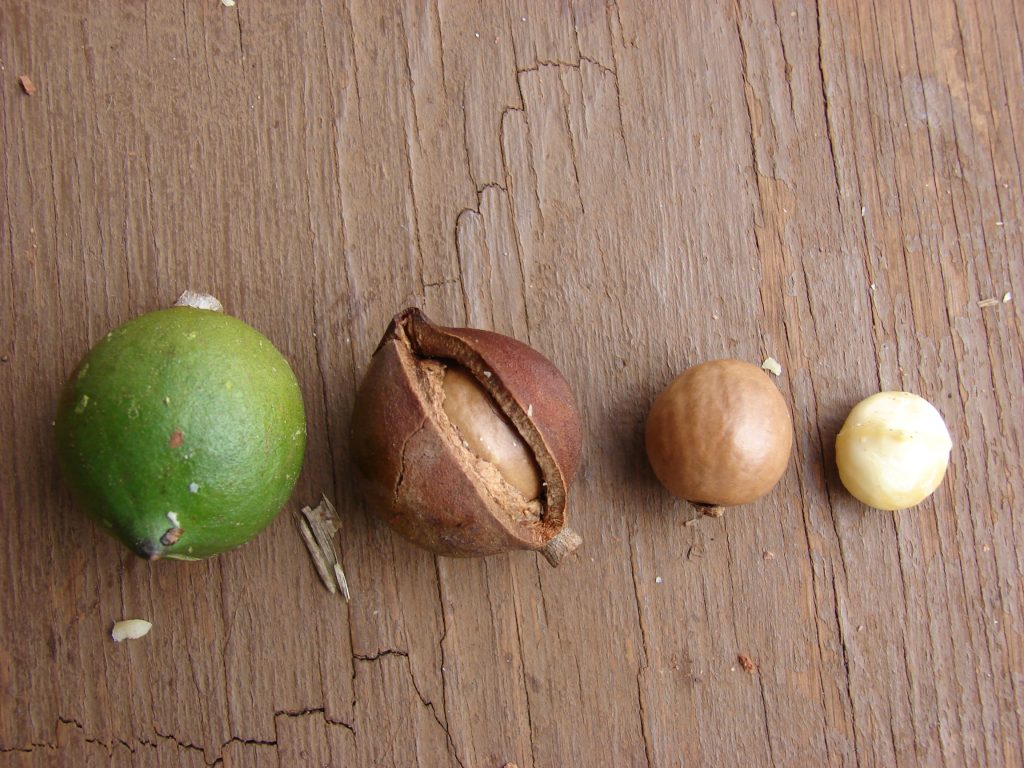
By the time Aboriginal Australians arrived, macadamias were already confined to scattered patches — remnants of the once extensive Gondwanan rainforests. Competition for light in dense rainforests, slow reproduction, and limited cross-pollination meant the species was on the brink of vanishing in many areas.
In fact, modern science suggests that many wild stands became so isolated that inbreeding threatened their survival long before European land clearing worsened the loss.
The natural home of the macadamia
The species’ natural range extends from the Richmond River region in New South Wales to Mount Bauple just south of Maryborough. This isn’t a coincidence. Rainfall, volcanic soils, humidity and temperate winters all combine to create the ideal habitat.
To this day, locals around Bauple still call macadamias “Bauple nuts,” a name that predates the modern commercial term. Bulburin nut is also one particularly intriguing outlier. It grows in a single rainforest valley north of Gin Gin. Discovered in 1982 by naturalist Ray Jensen, only 23 mature trees were initially found. Later surveys increased the number, but even now, this species remains dangerously rare and one cyclone or wildfire away from extinction.
By 2010, wild macadamias from all species had only been recorded in 196 localities across Queensland. Of the 2,400 potential remnant sites studied, native trees existed at just 19 sites. The very plant that would later become one of Australia’s great agricultural success stories nearly disappeared before it even had a chance.
The best place to spot macadamias in the wild is Amamoor State Forest, in the Mary Valley, a key ancestral heartland of wild macadamias.
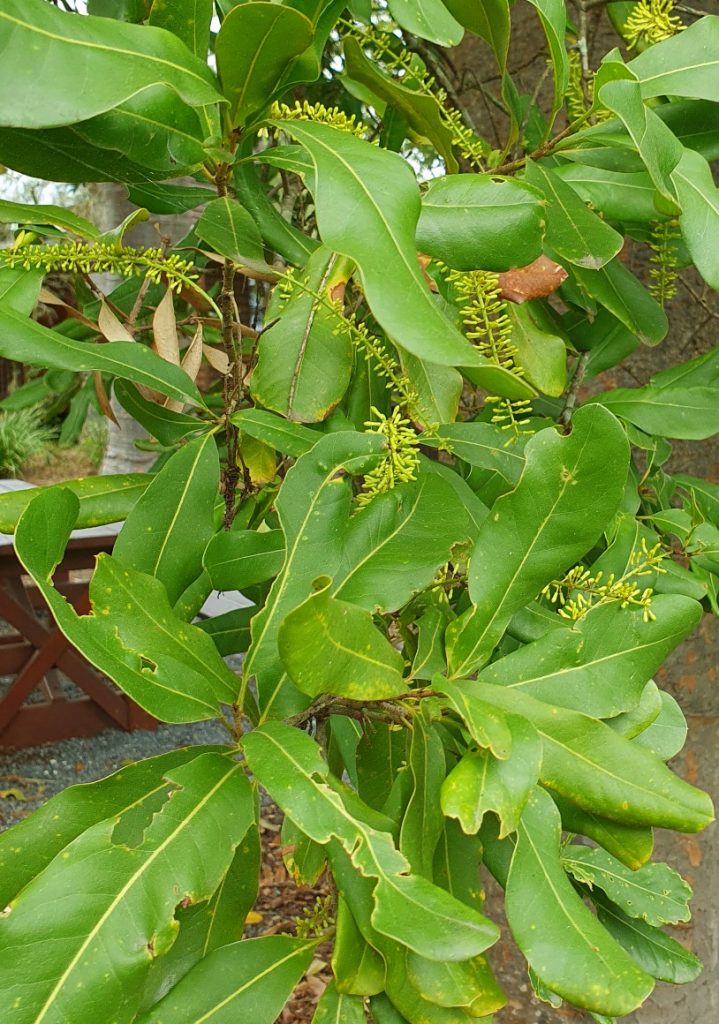
A rare achievement: an Australian plant commercialised for food
It may surprise many readers that, out of more than 25,000 native Australian plant species, only two have been successfully commercialised globally as large-scale food crops. And both are macadamias. Compare that to other nut and fruit crops. Olives were domesticated 5,000 years ago, grapes 3,500 years ago and cashews 2,000 years ago.
Macadamias, by contrast, have been selectively bred for only a few generations. Most commercial macadamia trees growing today are little more than great-grandchildren of the genetic stock found in rainforest pockets before European settlement.
Before European agriculture
While bunya nuts, yams and other native foods are prominent in Aboriginal food culture, macadamias were less common, mainly because of their scarcity in the wild and their modest yields compared with bunya pines. Still, Indigenous knowledge was deep and sophisticated.
In Aboriginal communities, women were in charge of much of the wild harvest and plant use. They knew when the nuts were maturing and when they would drop. They sometimes knocked down ripening nuts to stop native rats from beating them to the harvest.
Macadamia nuts were usually dehusked by hand, sun-dried for several days, roasted over coals while still in their shells, and then cracked with stone anvils and hammer stones. Roasting gave them a rich, smoky flavour still enjoyed by enthusiasts today.
Macadamias were valuable for trade, travelled well and were sometimes taken home by Aboriginal groups returning from bunya gatherings in places like the Amamoor Creek valley, where hundreds would gather every three years to feast, celebrate and settle intertribal business.
There is evidence that Aboriginal burning practices may have also contributed to the long-term presence of macadamias. Using controlled fire to open the rainforest canopy allowed more sunlight to reach the forest floor, boosting flowering and fruiting. It was an early, now scientifically acknowledged, form of deliberate ecological cultivation.
Macadamias also played a role in medicinal and ceremonial practices. The oil was used as a carrier for plant extracts and as a cosmetic to bind ochre. Gum, when mixed with nut oil, was employed to treat chest ailments. Sprouted kernels were consumed by nursing mothers to aid lactation. Thus, although modest in dietary importance, macadamias held a valuable place in Aboriginal life.
The European discovery that wasn’t one moment
Which European explorer was the first to come across a macadamia tree? History has never quite settled this question.
In 1828, botanist Allan Cunningham was near Breakfast Creek, close to Brisbane, with the Colonial Botanist, Charles Fraser and Captain Patrick Logan. Fraser observed a plant bearing large nuts that he compared to Spanish chestnuts. This might have been Castanospermum australe (the black bean), which needs elaborate preparation to detoxify, but it could also have been macadamia. It remains unclear whether Cunningham discovered and documented the macadamia.
English botanist John Bidwell was appointed Commissioner for Crown Lands for the Wide Bay in 1848. He established his own botanic gardens and made many collections of native plants, sending them to Kew Gardens, William Macarthur at Camden Park Estate near Sydney and the Botanic Gardens at Brisbane, Sydney, and Melbourne. Given his botanising in the district and dealings with local Aborigines, it is believed he observed and collected the Queensland nut (M. integrifolia), which grew in forests and foothills around Mount Bauple. His specimen was probably sent to another botanist for description and naming. However, after suffering a traumatic experience of being lost in the bush in 1851, his diary went missing, and his records are incomplete.
The more definitive early collection, however, happened in 1843 when Ludwig Leichhardt, accompanied by settlers and Aboriginal guides, explored the Blackall Range. He gathered a flowering specimen — now recognised as the Gympie nut (M. ternifolia). His signature appears on documentation held at the Royal Botanic Gardens in Melbourne. Despite this, the plant remained unstudied and unrecognised until 1860.
Naming the macadamia and the first cultivated tree
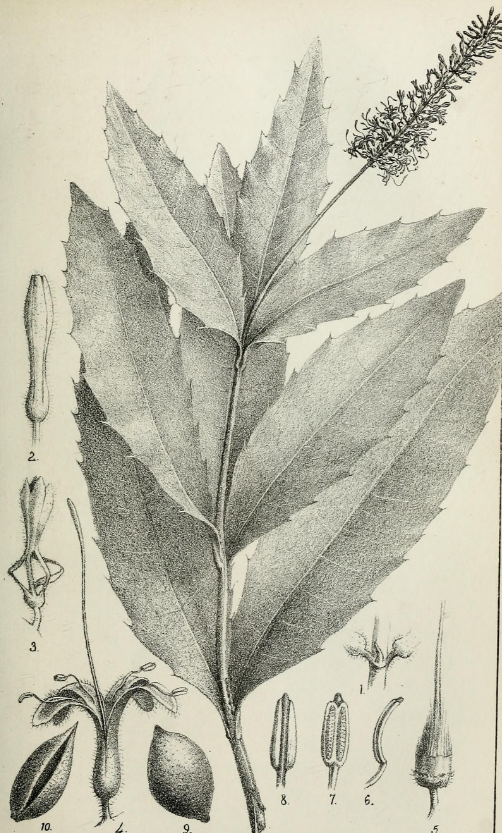
The world credits the name of the macadamia to one man, Dr Ferdinand von Mueller, Government Botanist of Victoria and one of Australia’s most distinguished scientists.
In 1857, Mueller officially described the genus, naming it after Dr John Macadam, a Scottish-born chemist, medical examiner, teacher, and secretary of the Philosophical Institute of Victoria. Whether Macadam ever tasted a macadamia remains uncertain.
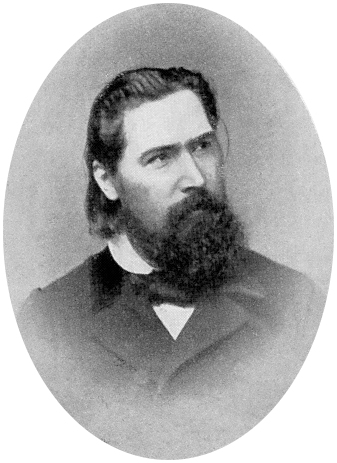
Mueller’s original description of the plant was typically detailed and Victorian in tone, highlighting its elegant, clustered leaves and hanging flower racemes. From then on, macadamias gained official recognition by Western science.
If Mueller named the macadamia, Walter Hill made it famous. Superintendent of the Brisbane Botanic Gardens, Hill collected seed from a wild macadamia in southeast Queensland and planted it in 1858.
That tree — still alive today and known as the Walter Hill Memorial Tree — is the first macadamia cultivated by Europeans. Hill tasted the nuts, declared them edible and went on to promote their use in gardens and farming areas.
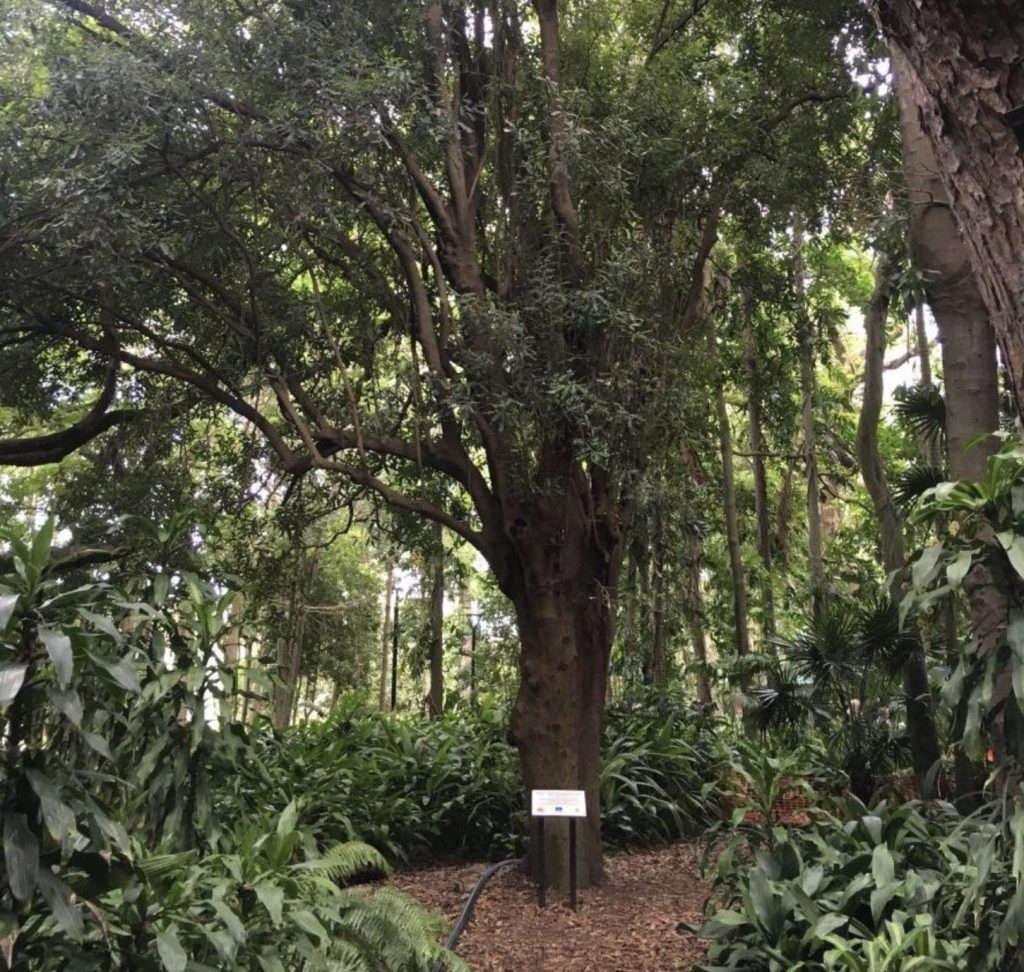
His 1867 letter to the Brisbane Courier sparked public interest. From that point, macadamias appeared at exhibitions and were planted at homesteads, pastoral stations and botanical gardens. Their reputation spread throughout the colonies and soon reached the world.
A report in The Queenslander observed that Indigenous people, timber getters and early settlers all knew and regularly ate the nuts well before botanists declared them edible. It serves as a stark reminder that European science often “discovers” things long known to the original custodians.
By the late 1860s, macadamias from the Richmond and Tweed Rivers were already being cultivated in the Sydney Botanic Gardens. By 1868, M. tetraphylla was almost certainly available commercially from nurserymen.
The slow birth of an industry
Many people tried their hand at planting. Tom Petrie, the son of the patriarch of the pioneering family, Andrew, planted macadamia trees at his family home in Murrumba in 1866, now a suburb named after the family. Also, a doctor and amateur botanist, Joseph Bancroft, built his house, Kelvin Grove, in the 1860s near Enoggera Creek in Brisbane. He later claimed to have planted a couple of macadamias.
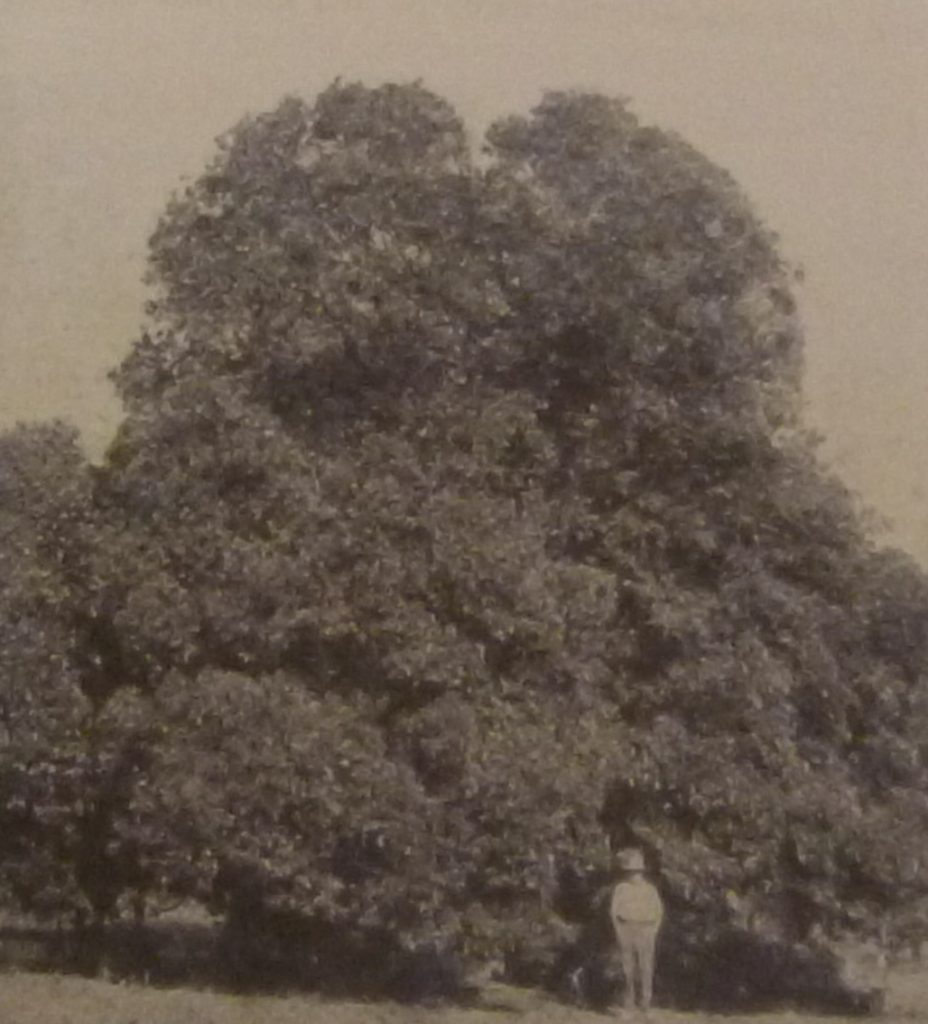
Near Noosa, brothers James and Edward Smith, successful gold miners from Gympie, planted a diverse range of native plants on their property, which they named Restdown, including a grove of macadamias.
The Jordan Tree, a historic macadamia in the Gold Coast hinterland, was known as the “mother of all Macadamias”. It grew on the Lahey family property and, in 1872, was visited by Robert Jordan. So impressed by the wild nuts growing on the property, Jordan took a bag full to his brother in Hawaii. Although it was thought that these nuts might have produced the trees that later yielded cultivars developed in Hawaii, DNA studies showed otherwise.
Jim Dorroughby was one of the first to plant macadamias in New South Wales, near Lismore, in 1870. The region saw its first commercial orchard established in the 1880s.
Twelve macadamia seedlings were also planted around 1920 in the Imbil region to evaluate their potential for timber and veneer. Around the same period, in northern New South Wales, many small commercial plantings were established on steep slopes, often alongside banana plantations. However, these failed mainly due to insect pests, bushfires and low yields.
Despite early enthusiasm, macadamias did not immediately become a commercial crop. The reasons were mainly practical. They took many years to bear; seedlings varied widely in quality; no grafting techniques had yet been developed; and no one knew how to manage orchards for yield.
Worse still, many areas where macadamias thrived were cleared to make way for cattle, sugar cane and timber extraction. The Big Scrub of northern New South Wales, one of the most extensive subtropical rainforests on Earth, was almost entirely destroyed in just fifty years. Of its 75,000 hectares, fewer than 700 remained by the early 20th century. This loss also meant the disappearance of untold genetic diversity and possibly hundreds of unique macadamia lineages.
The grafting pioneers who built the modern industry
One man who deserves far greater recognition in the macadamia story is Queensland grower Norman Rae Greber, who is widely regarded as the founder of the modern Australian macadamia industry. Born near Ballina in 1902, Greber developed an interest in macadamias as a boy, observing trees growing in orchards and later in the wild rainforests around Amamoor, near Gympie.
Working initially as a timber getter before clearing his own scrub block by hand, Greber became fascinated by the potential of the native nut at a time when few others saw it as anything more than a novelty tree. During the 1920s, he searched the forests for trees producing thin-shelled nuts with superior kernels and began selecting and planting seedlings on his farm. By the end of the decade, he had established around a thousand trees.
More importantly, Greber continually experimented with propagation methods and became the first Australian to successfully graft macadamias for commercial production. Drawing on grafting knowledge reportedly passed down through his German family background, he refined techniques that allowed growers to reliably reproduce desirable nut characteristics rather than depending on highly variable seedlings. In many respects, this was one of the crucial breakthroughs that transformed macadamias from scattered orchard curiosities into a genuine horticultural industry.
Greber’s pioneering work was later carried forward and refined by another important Queensland innovator, Stan Henry. Working as nursery manager for CSR at Beerwah during the 1960s, Henry developed a highly efficient propagation system known as “punch budding”. Using an empty .303 rifle cartridge case, he removed a neat circular patch of bark from the rootstock and replaced it with a matching patch containing a single bud from a selected commercial scion. The method dramatically improved grafting speed and success rates and helped underpin the establishment of major orchards at Baffle Creek, Maleny, Peachester and Mt Bauple.
The technique represented another important Australian breakthrough in plant propagation and bore striking similarities to the “bark patch” grafting methods being developed around the same period at the nearby Beerwah Forest Research Station for hoop pine breeding programs. In both cases, Queensland horticulturalists and foresters were adapting practical bush ingenuity to solve large-scale propagation problems that conventional nursery techniques struggled to overcome.
Together, Greber and Henry helped solve one of the great barriers holding back the macadamia industry. Seedling-grown trees varied enormously in nut size, shell thickness, yield and flavour. Reliable grafting techniques meant superior trees could finally be reproduced consistently and planted on a commercial scale. Without those advances, the vast orchards that now dominate parts of southeast Queensland and the Wide Bay would likely never have developed in the way they did.
After relocating to Beerwah in 1951, Greber continued to develop Australian varieties and even designed hand tools and simple mechanical equipment to assist with harvesting and processing. His expertise became so highly regarded that CSR purchased much of his land in 1963 and retained him for more than a decade to train staff in growing and grafting techniques. By then, the industry that Greber had quietly nurtured through decades of experimentation was finally beginning to expand commercially across Queensland and northern New South Wales.
Recognition came late but deservedly. In 1974, Greber became the first Patron of the Australian Macadamia Society and was later made a Life Member. Shortly before his death in 1993, he was awarded the Order of Australia Medal for his contribution to Australian horticulture. Today, while vast mechanised orchards dominate parts of the Wide Bay and Sunshine Coast hinterland, much of the modern Australian macadamia industry still rests on the patient work of pioneers like Norman Greber and Stan Henry, who recognised the promise of the native nut long before the rest of the country caught up.
The move overseas — and the irony of commercial success
While early Queenslanders and northern NSW settlers appreciated the nut’s flavour and potential, it was not Australia that first made macadamia a serious farm crop. It was the United States.
In 1881, Australian macadamia seeds were planted in Hawaii. After decades of trial and error, Hawaiian horticulturists achieved what few Australians had tried. They successfully established systematic orchards with varietal selection and grafting. Through scientific evaluation, they developed a consistent method for commercial processing.
By the 1920s, Hawaiians were actively cultivating macadamias. By the 1940s, large commercial orchards were producing nuts for the U.S. market. Hawaii led the way with mechanical cracking equipment, modern processing methods, orchard design, fertilisation programs and weather risk management, creating a blueprint that the rest of the world would later follow.
As early as 1904, the Sydney Morning Herald published an article proclaiming:
Its nut is the sweetest and most nutritional in existence… It is now being cultivated in California, and will probably be imported to this country for sale, without one in a thousand knowing it is an Australian nut.
That prediction proved true. For most of the 20th century, many consumers thought macadamias came from Hawaii.
Australia wakes up
The 1960s marked a turning point in Australia’s approach to macadamias. The Queensland and New South Wales governments recognised the crop’s export potential and started encouraging plantings. Private investment followed, with CSR spending over $1 million to establish research plantations, planting 90,000 trees, and building a modern factory in Brisbane. Meanwhile, growers adopted Hawaiian grafting and orchard techniques.
By the end of the 1960s, production was modest but increasing, and modern orchards had emerged in key growing regions.
Few regions have experienced such a dramatic transformation in the last generation as the Wide Bay and Bundaberg districts. Rich in volcanic and sandy alluvial soils, with warm, humid summers, dependable irrigation and access to labour and processing facilities, the region has become one of the fastest-growing macadamia areas in the world.
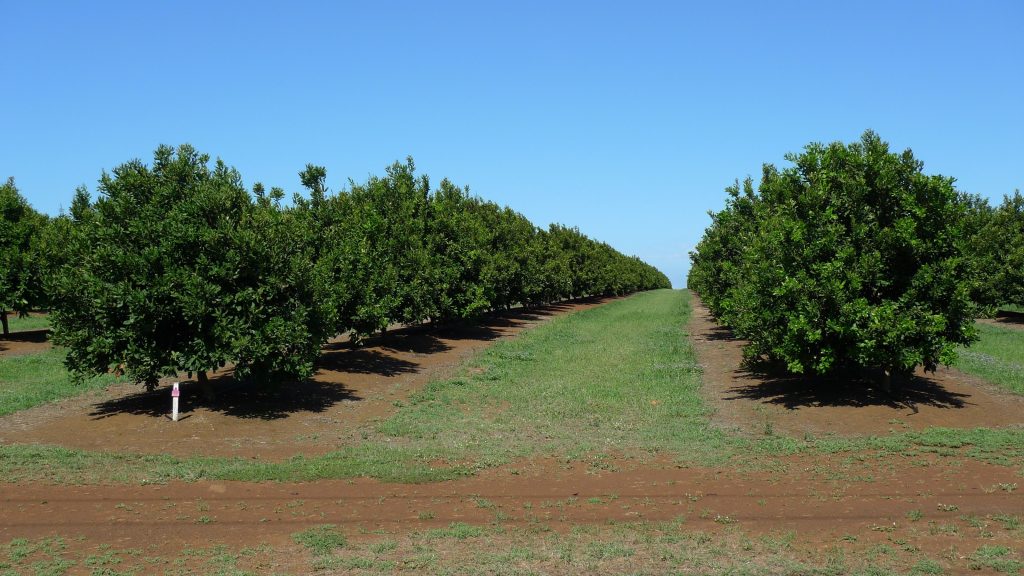
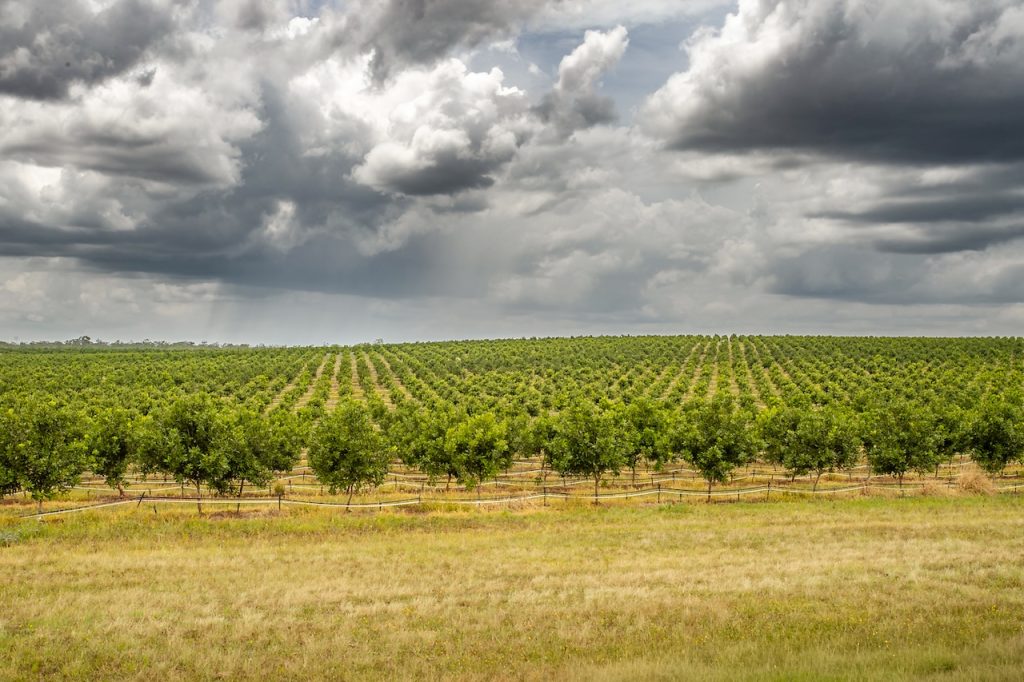
Where cane once dominated and cattle graziers cleared paddocks, rolling plantations of glossy, dark-green macadamia trees now cover the landscape. Townships from Childers to Gympie have become hubs of orchard development, with new plantings visible each season. Companies big and small have invested millions in trees, processing gear and export contracts.
From rainforest survivor to global commodity
The macadamia has undergone a remarkable change, transforming from a tree nearly wiped out in the wild to one of Australia’s most valuable horticultural exports. It is now sold in over 40 countries and is used in confectionery, baking, snacks, cosmetics and cold-pressed oils.
And, importantly, the industry remains rooted in remarkably narrow genetic diversity. Most of the world’s commercial macadamia varieties originate from fewer than a dozen wild trees collected in Queensland and northern NSW in the early 20th century.
That makes the remaining wild stands critically important. They possess traits such as disease resistance, drought tolerance and yield characteristics that future breeders may need.
Compared with olives or grapes, macadamias are still in the early stages of domestication. Modern breeding programs are only a few generations old and rely almost entirely on wild genetics. Breeders are still learning how traits are inherited and are working to expand gene diversity.
Australian researchers continue to collect and preserve wild DNA, graft historical material and evaluate hybrids. Ironically, the last pockets of wild macadamias found in rainforests may hold the keys to future climate adaptation.
A tree rooted in time and place
The macadamia story is remarkable not just for its agricultural success but also for its connection to deep geological history and Indigenous culture, which nearly fell by the wayside before gaining commercial recognition. Its global growth was driven overseas, and it has since returned home to become a key crop in southeast Queensland.
In many ways, the sight of new plantations around Bundaberg, Maryborough and Childers represents the continuation of an ancient lineage reclaiming its place in Australia’s landscape.
Today, just a short drive from where Ludwig Leichhardt walked, where Walter Hill gathered seed and where Aboriginal women knocked ripe nuts from branches with sticks, vast orchards spread across the Wide Bay. Mechanical harvesters now collect nuts that once had to be cracked one by one between rocks. Global food companies buy what settlers once dried on the verandah and carted to Sydney in drays.
Somewhere among those trees lies the same sweet flavour that Aboriginal families roasted over fire pits, that cockatoos have relished for millennia, and that Europeans first tasted in the 1800s.
Where the story now stands
Macadamias are now Australia’s fourth-largest horticultural export crop, grown commercially in Australia, Hawaii, South Africa, Kenya, China, New Zealand and California. It is worth hundreds of millions annually and is still derived from limited wild genetic material.
Their future relies on continuous breeding, protecting remaining wild populations and expanding markets.
The humble Bauple nut has come a long way. It has crossed oceans, survived extinction more than once, and after 60 million years, is finally finding its place in global agriculture.
And in the Wide Bay, where their wild ancestors once clung to life on rainforest ridges in Bauple and Miva, modern farmers are now writing the next chapters of a story that began long before humans ever walked the earth.
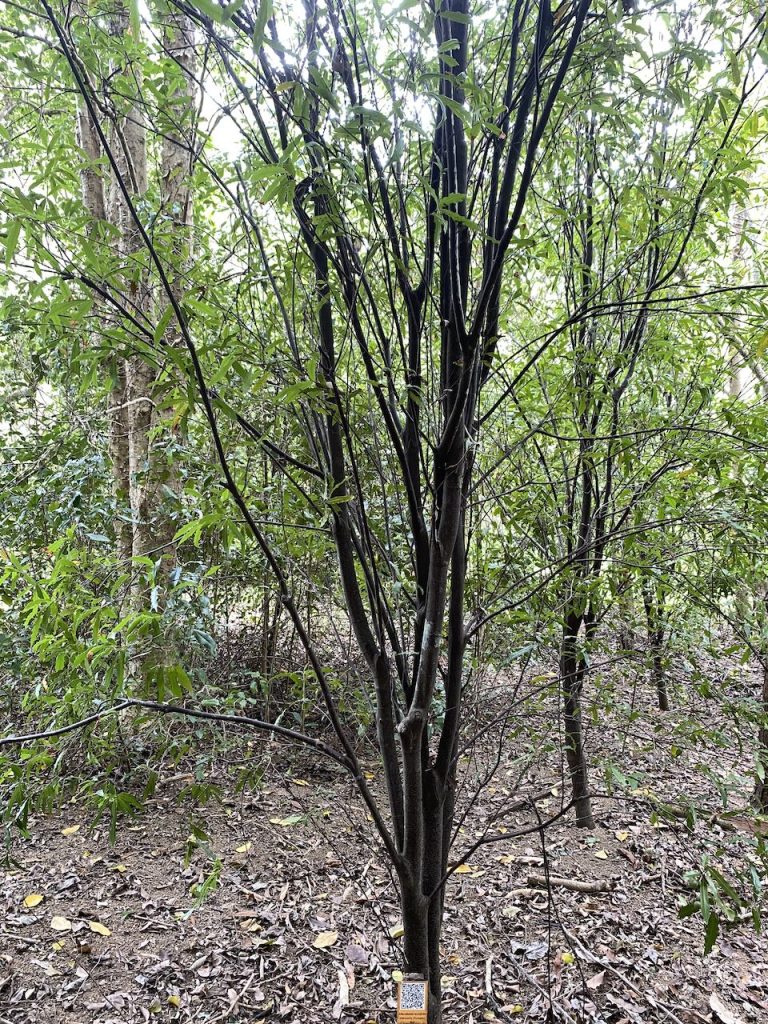
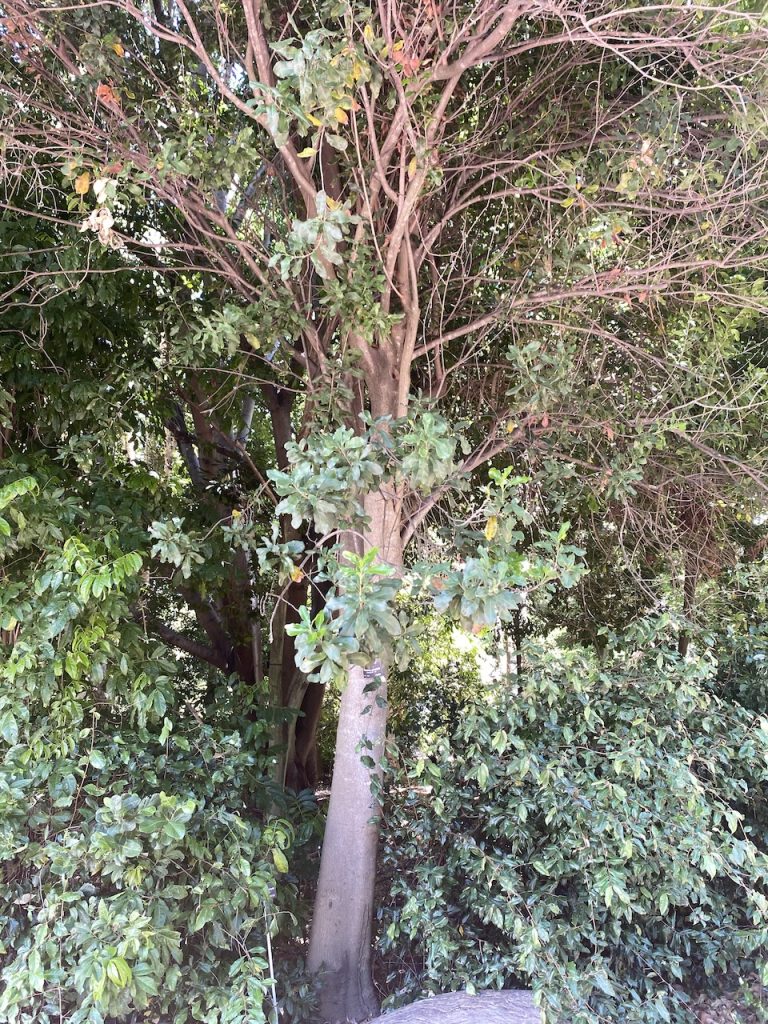
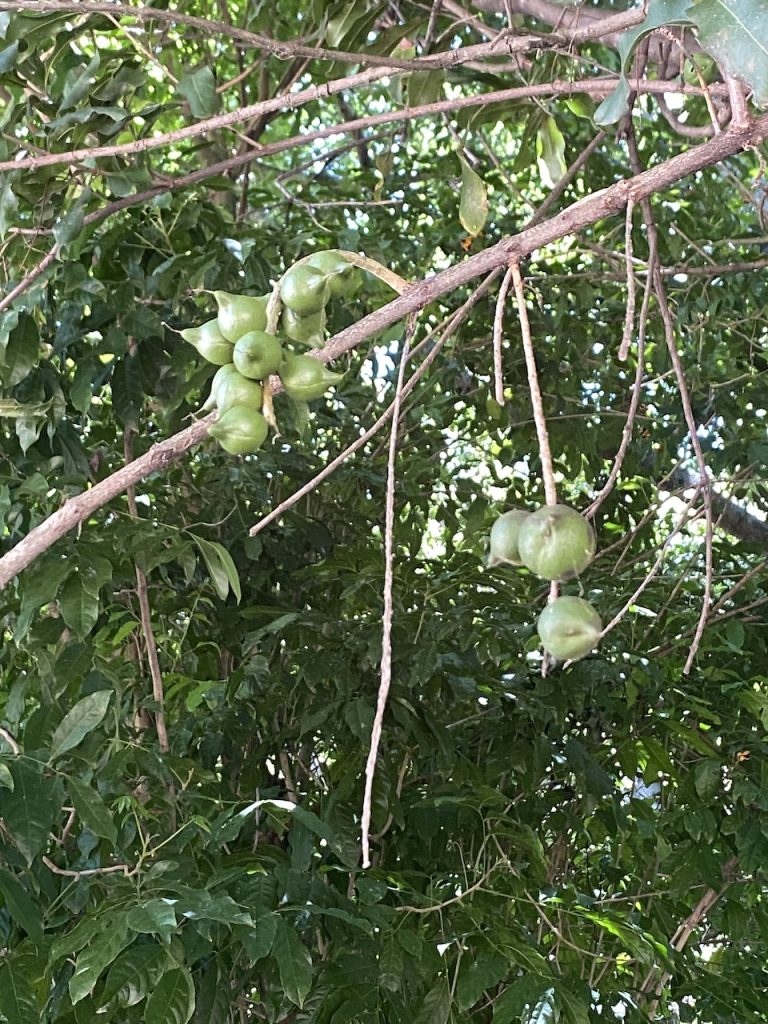
In North Queensland there used to be a tree species called Macadamia whelanii. I believe its name has since been changed. It was described as being poisonous, and I noted that very few, if any, animals tried to eat it. There was always a large volume of uneaten nuts on the ground when it was fruiting.
Max Bell
Thanks Rob for this informative piece.
When I was living up in the hinterland town of Maleny, on the Sunshine Coast, one of my neighbours grew Macadamia Nuts commercially.
From his viewpoint, it was a crop that had many challenges, from the local wildlife, including white cockatoos, which loved to feed on the nuts, and rodents, in particular rats, which had a liking for the nuts and also chewed the irrigation pipes, causing watering issues that needed constant supervision.
Every now and then, we could hear what sounded like shotgun blasts coming from the farm, then the noisy, familiar screeching sound of the cockatoos fleeing to safety.
With labour costs so high in Australia, he arranged for the whole nut to be processed overseas, then reshipped back to Queensland for sale, which he said was cheaper for him than processing them here.
The grandkids would love scavenging for the fallen nuts and then delighted in trying to crack open the nut with my trusty carpenter’s hammer and concrete pathway.
Yum Yum – the best nut on the planet.
Re European discovery. Both Allan Cunningham and Charles Fraser have been named as first collectors.
The King’s botanist, Cunningham, was the first to collect on the banks of the Brisbane River on 24 September 1824 what later became known as the Moreton Bay Chestnut (later named Castanospermum australe A.Cunn. ex Mudie in 1829). He did it again on Wednesday, 30 July 1828 in the company of Capt Logan, south of Brisbane towards the Logan–Beenleigh district.
The Colonial Botanist Fraser, in the company of Cunningham and Logan near the new Brisbane settlement, also described the Chestnut between 2-11 July 1828.
There appears to have been no plant akin to a Macadamia described until Ludwig Leichhardt (1843) documented Macadamia ternifolia (known as the Maroochy or Gympie nut) in the Gympie area, a species that is not edible.
Great read, Robert, thank you, my favourite nut. I don’t often see them for sale in the UK.