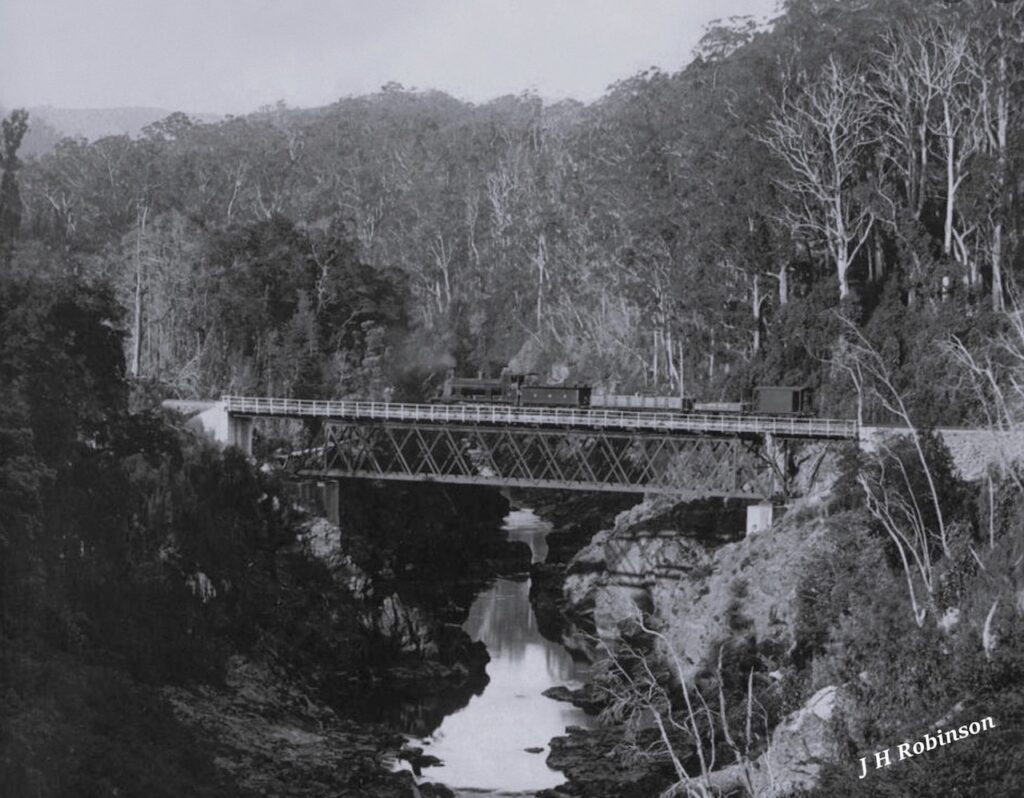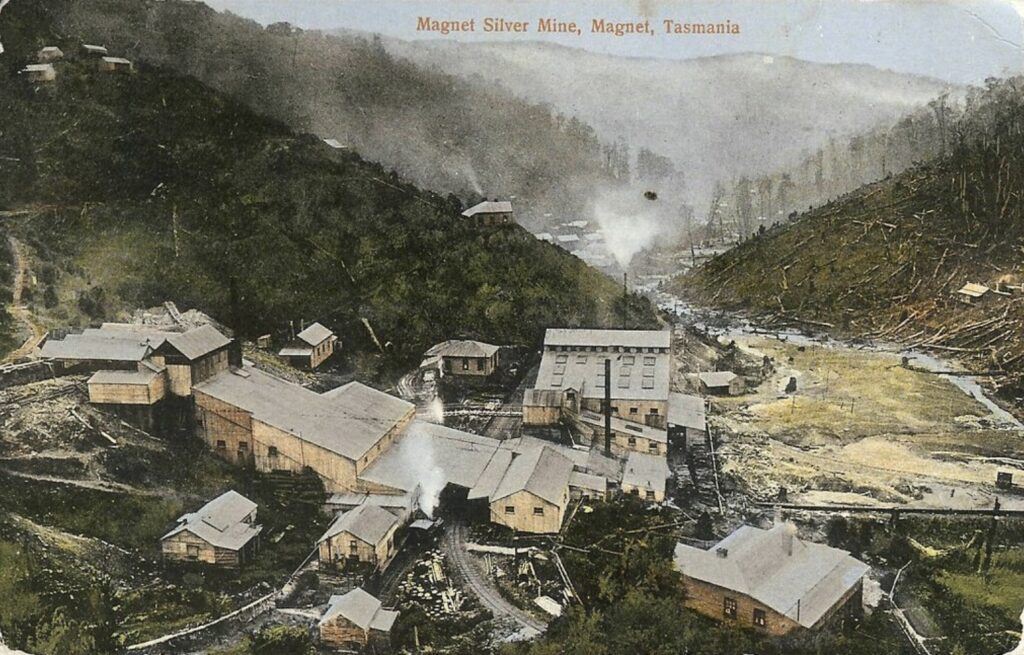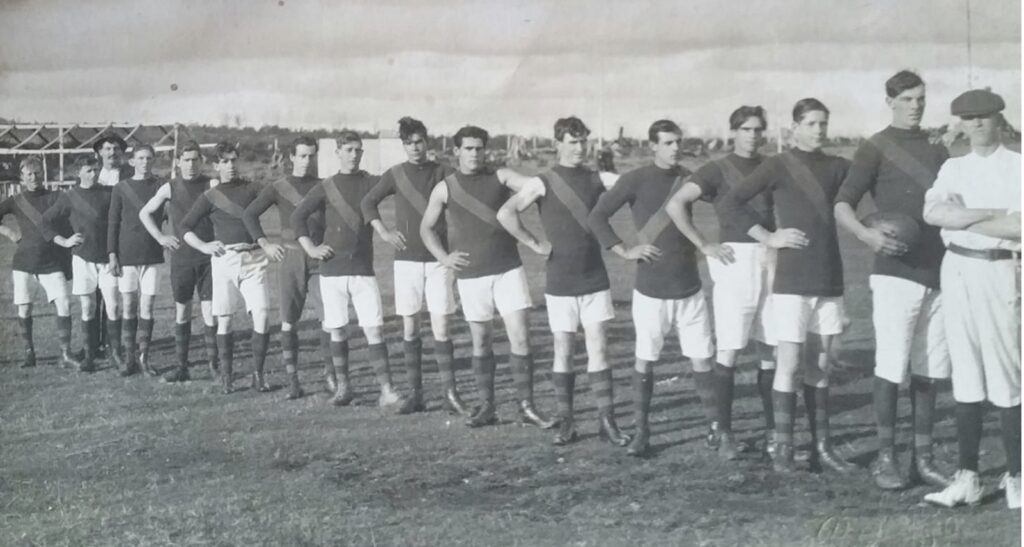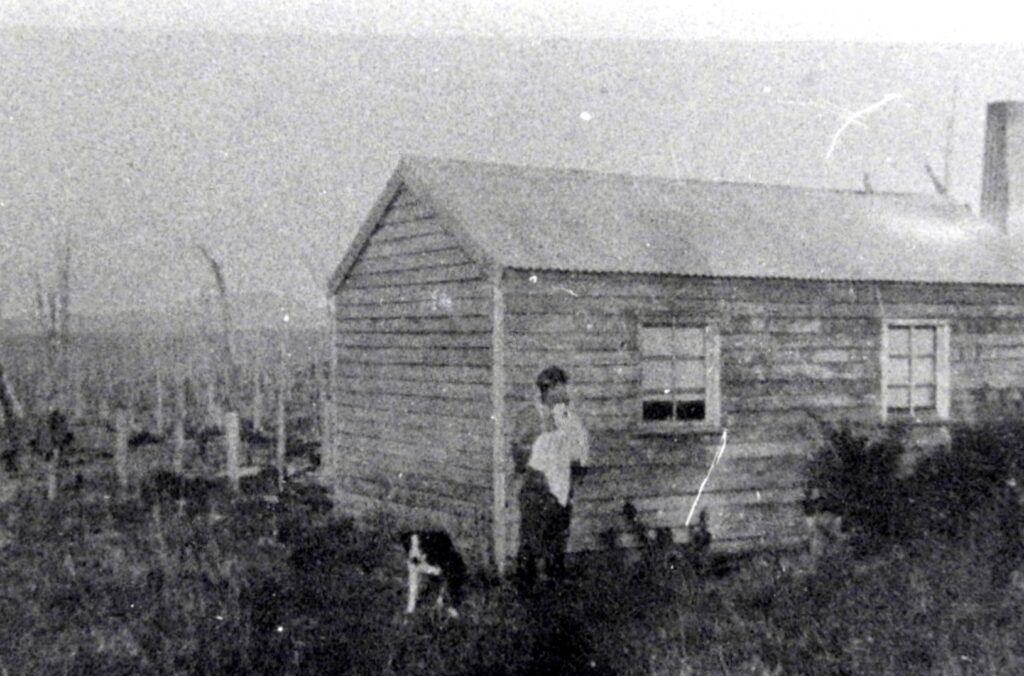
Reclothing fertile acres – a history of Parrawe
Reclothing fertile acres – a history of Parrawe Read More »
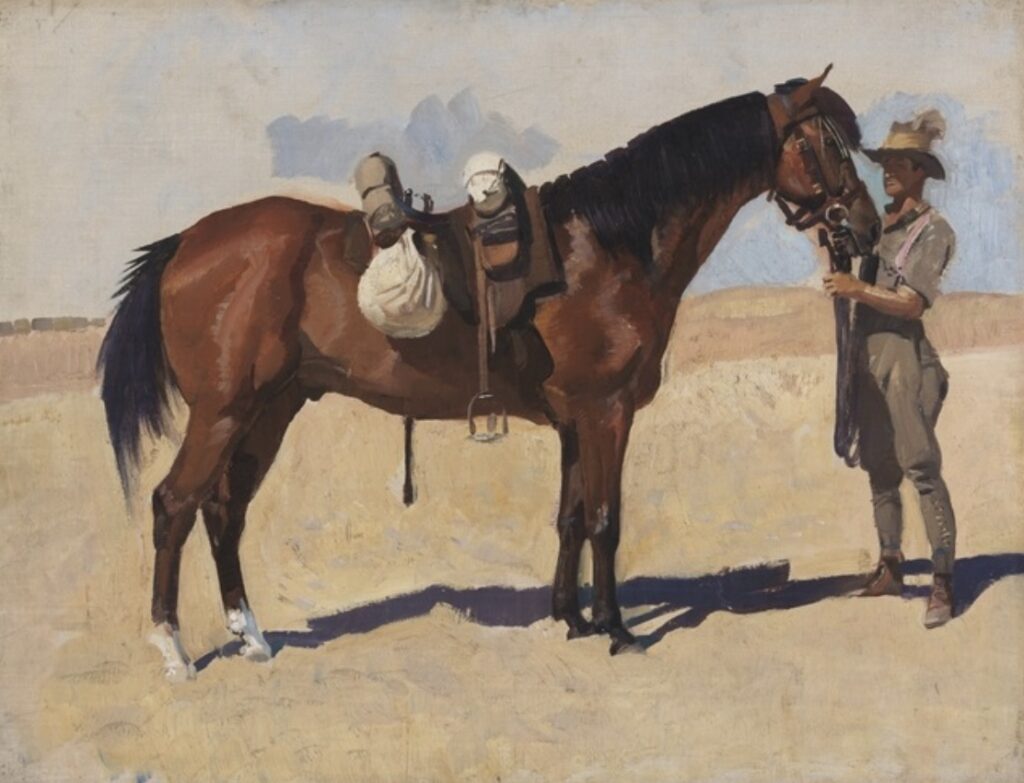
“By members of the Desert Mounted Corps and friends, to the gallant horses who carried them over the Sinai Desert into Palestine, 1915-19. They suffered wounds, thirst, hunger and weariness almost beyond endurance, but they never failed. They did not come home”.
Inscription on a monument erected by returned soldiers in Sydney
As we stop tomorrow to remember those who fought in wars but didn’t return home, I thought I would share an Australian story about a unique horse breed in Australia.… Read more
The Waler – a remarkable horse and an Aussie legend Read More »
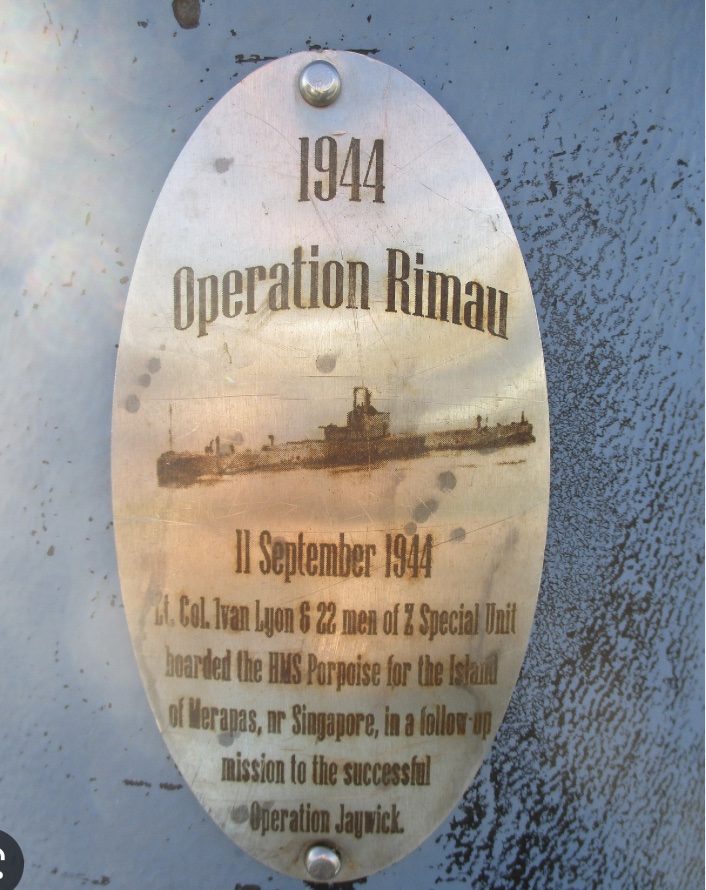
What happened to Bill Reynolds?
In Part 1, I provided details about Bill Reynolds’ heroic work rescuing civilians affected by the fall of Singapore aboard the Kofuku Maru, which was renamed as the Krait and played a pivotal role in the success of Operation Jaywick.
While Reynolds wasn’t part of Jaywick, he delivered the Krait to Australia and was going to captain the vessel on the daring raid to Singapore Harbour.… Read more
Z Special Unit Part 3 – the fate of the Jaywick and Rimau men Read More »
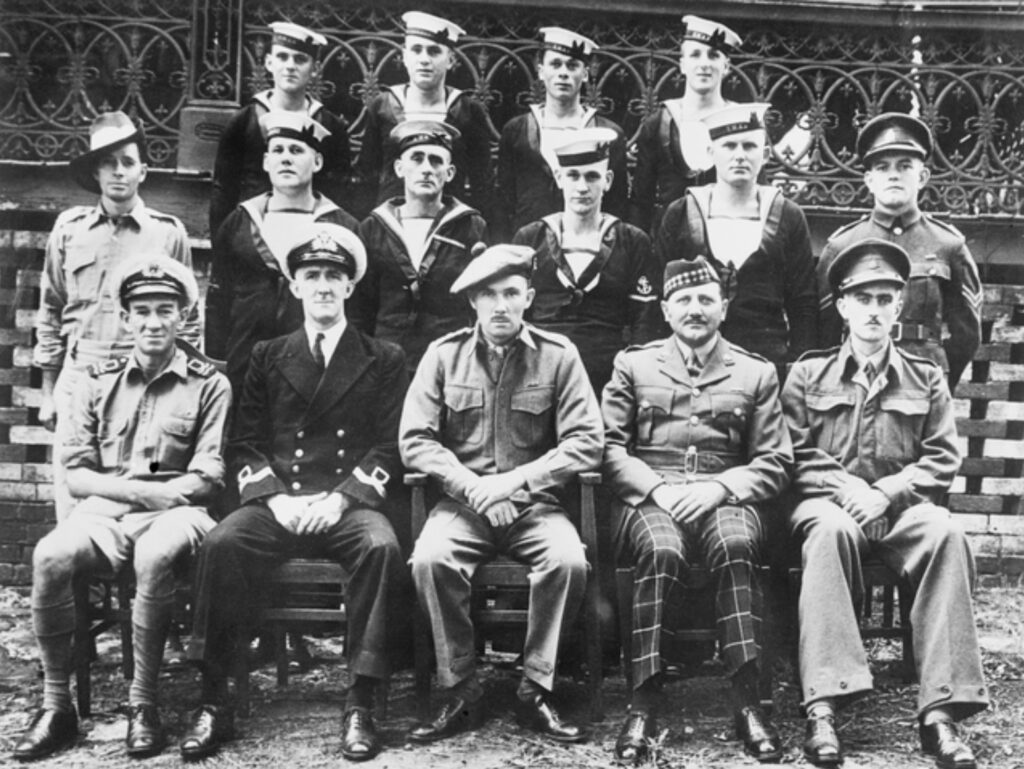
Introduction
This month 80 years ago, a small, unassuming ex-Japanese fishing vessel was pivotal in an audacious and successful secret commando operation by a handful of courageous Australians against the mighty Japanese war machine during World War II. Its history and how it got into Australian hands is remarkable. So is the bravery of its crew.… Read more
Z Special Unit Part 1 – Operation Jaywick, the remarkable mission behind enemy lines Read More »
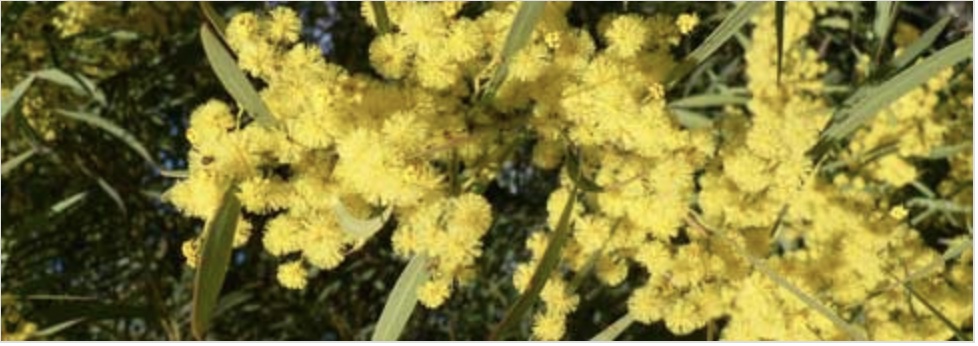
Today is the first day of spring in Australia, a day we celebrate nationally as Wattle Day. It is the time of the year when some wattles flower producing an abundance of yellow inflorescence. One of the 1,070 wattle species is our floral emblem – the golden wattle (Acacia pycantha).… Read more
Celebrating Wattle Day Read More »
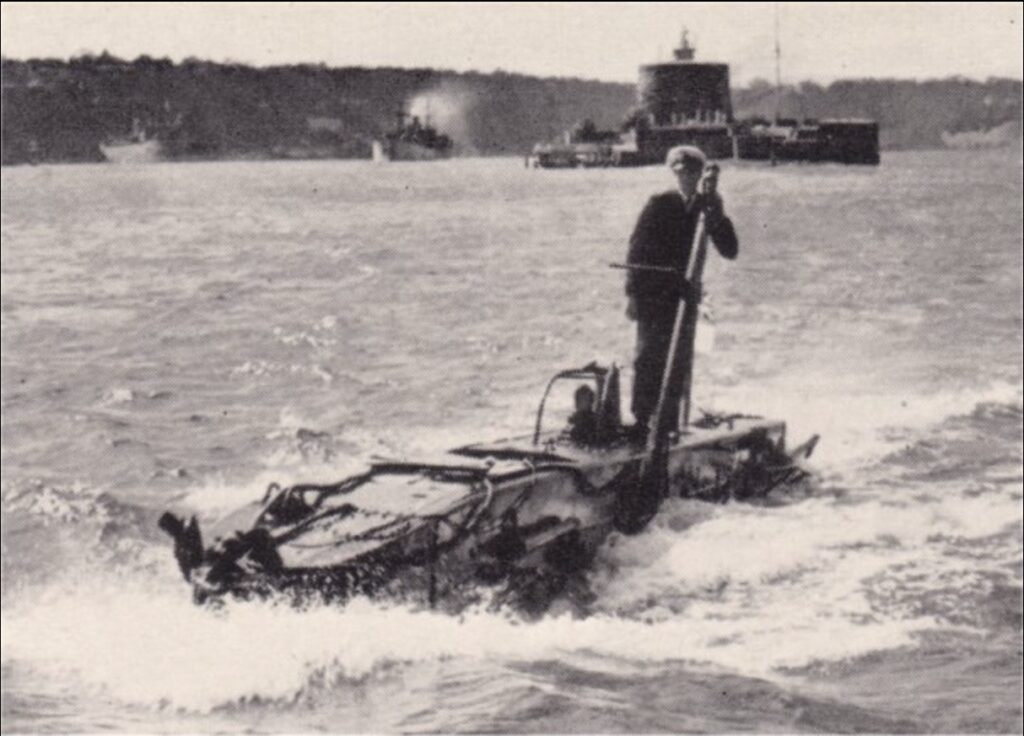
“I’ll put a girdle ‘round the earth in forty minutes”
William Shakespeare’s A Midsummer Night’s Dream
While travelling around the country, I came across yet another little-known wartime story which again highlights the heroics of Australians. This time it involves midget submarines and divers cutting underwater telegraph cables to thwart the Japanese communication efforts towards the end of World War II.… Read more
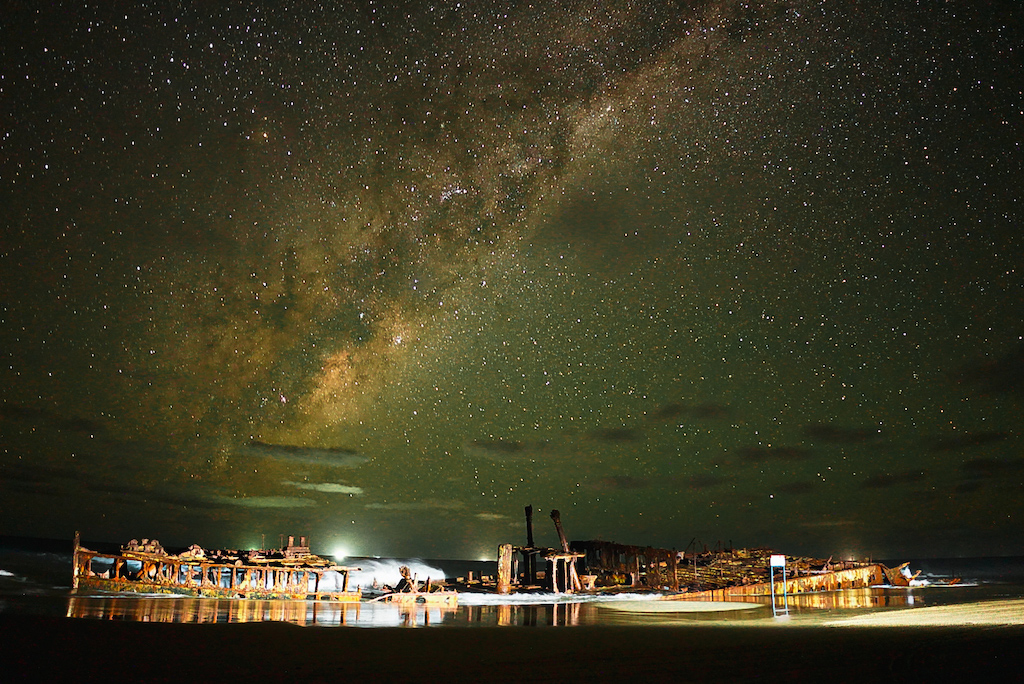
Every Fraser Island visitor has seen or knows about the Maheno wreck on the eastern shore about five kilometres north of Happy Valley. These days it is a tourist attraction and photographic stop. It must be the most photographed piece of rust in the world. The rusted remains, however, bear no resemblance to the luxury liner that plied its trade between Australia and New Zealand and the war-time hospital shipping the Mediterranean.… Read more
The slow disappearance of one of Fraser Island’s tourist icons Read More »