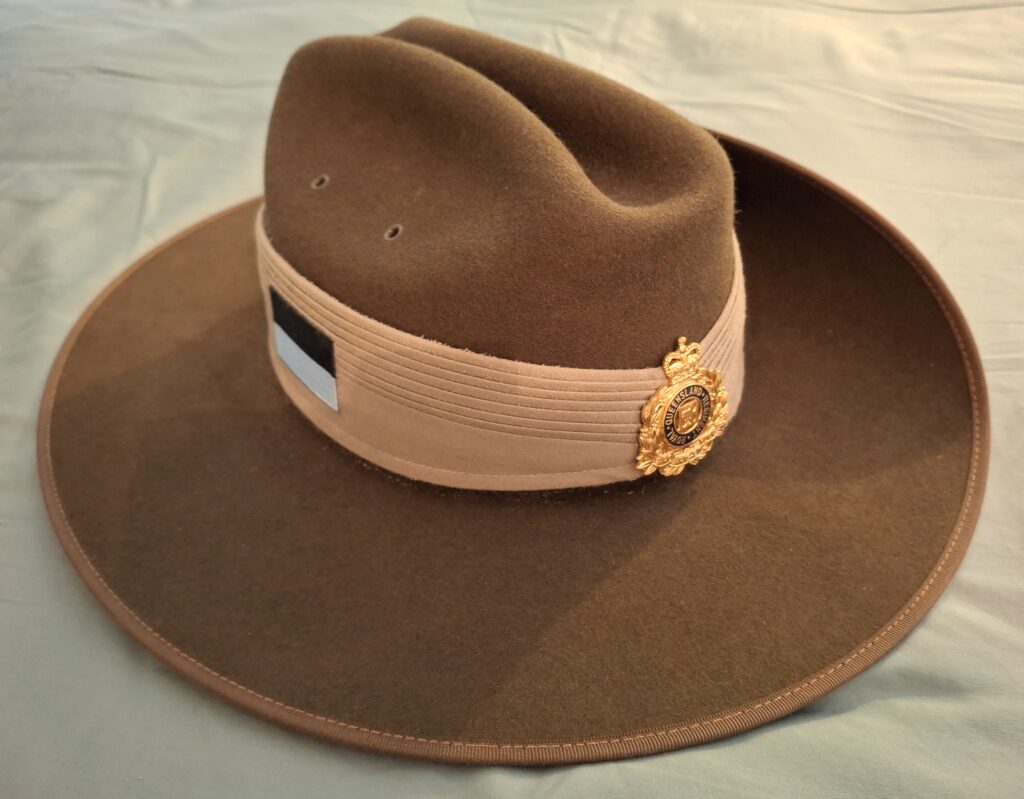
My interest in the slouch hat originally stemmed from my research into the Australian Light Horse and their use of the emu feather in their headgear. However, I quickly realised that the slouch hat itself was more than just a backdrop to that famous plume – it told a story worth sharing in its own right.
Few items of clothing evoke as much recognition and emotion as the Australian slouch hat. Its wide brim, often tilted up on one side, offers more than just sun protection. It is a national symbol, a badge of service and a practical piece of kit steeped in tradition. Soldiers wear it with pride, farmers tip their hats in greeting and Australians overseas instantly recognise its silhouette. But I was eager to learn more about this iconic Australian hat. Where did this distinctive headgear originate, and how did it come to be so closely linked with Australian identity?
European origins
The slouch hat did not suddenly appear on the heads of Australian soldiers. Its lineage can be traced back centuries to Europe, where broad-brimmed felt hats were both a practical necessity and a fashionable item. By the 17th century, Cavaliers of King Charles I in the English Civil War wore flamboyant hats cocked on one side. French Musketeers followed suit, a style immortalised by Alexandre Dumas. Later, Austrian infantry – especially Jaegers (light infantry scouts) – adopted high black hats pinned on one side, a practical adaptation to prevent rifles from knocking them off during drills.
The word “slouch” itself was used in Britain by the 18th century to describe this broad-brimmed, slightly informal-looking headgear. By the Napoleonic Wars, wide-brimmed felt hats with one side pinned up were standard wear for irregular units and colonial troops, offering sun and rain protection while freeing the shoulder for a musket or sabre. The slouch hat became associated less with formal European armies and more with frontiersmen, colonials and soldiers who operated on the fringes of the empire. This association with independence and ruggedness would later prove central to its adoption in Australia.
By the mid-19th century, the slouch style had crossed the Atlantic. Hungarian revolutionary Lajos Kossuth popularised a soft, wide-brimmed hat during his 1852 tour of the United States, sparking a fashion trend. Slouch hats were widely worn in the American Civil War, particularly by Confederate soldiers, and they reappeared during the Indian Wars and even in the ranks of Teddy Roosevelt’s Rough Riders in the Spanish-American War.
When the British Army began deploying troops to its colonies, wide-brimmed felt hats became part of their kit, especially in hot climates. The slouch hat offered far better sun protection than the stiff kepis or peaked caps used in Europe. In India, South Africa and Australia, colonial units soon adopted it as a matter of necessity, and it began to acquire a distinctly “colonial” reputation, being less polished than European military dress, but far more practical.
A Tasmanian officer and the birth of an Australian icon
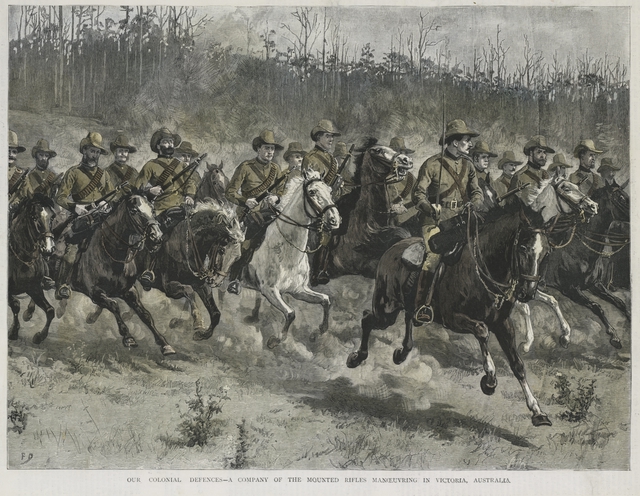
The hat’s Australian story begins with Lieutenant Colonel Thomas Price, a Tasmanian who served with the British Indian Army in the 1860s. While seconded to Burma, Price noticed local police wearing a practical wide-brimmed felt hat with one side pinned up. Struck by its utility in tropical climates, he later introduced the design to Victoria when he raised the Victorian Mounted Rifles in 1885 for service in the Sudan.

His men were bush-bred horsemen accustomed to the Australian sun. They wore khaki uniforms and the iconic slouch hat. It suited them perfectly. Soon, other colonial defence forces adopted similar gear, and by 1890, the slouch hat was officially recognised nationwide, becoming a staple in Australian attire. The only difference was which side was pinned up: the right in Victoria and Tasmania, the left elsewhere, depending on rifle drill traditions.
The broad brim was worn for style. But it was also practical, shielding soldiers from the fierce Australian sun and the frequent downpours of summer storms. The word “slouch” refers to the brim being turned up, rather than hanging straight, giving the hat its distinctive character.
The Boer War
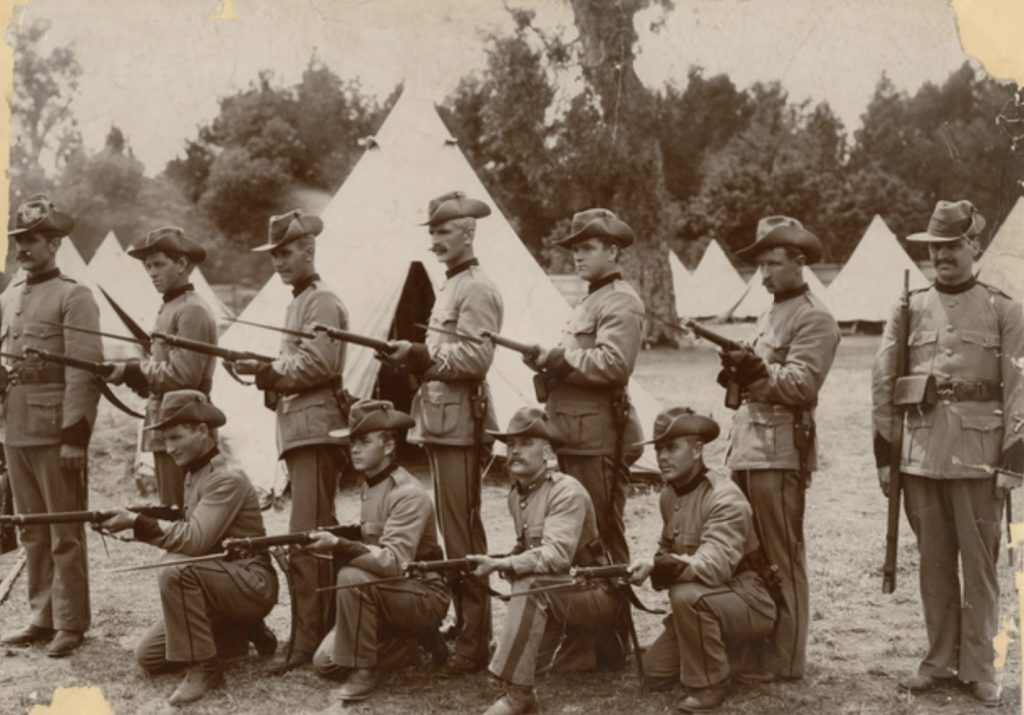
Australia’s strong connection with the slouch hat dates back to the Boer War. Colonial units from New South Wales, Queensland, Victoria and other states headed to South Africa to fight alongside British troops. Upon arrival, they wore variations of uniforms issued locally or brought from Britain. However, the wide-brimmed felt hat, turned up on one side, was the most distinctive piece of kit.
The terrain and climate of South Africa made the slouch hat essential. Soldiers could pull the brim low to shield their eyes from the blazing sun or the heavy rain. Dust storms on the veldt made goggles nearly useless, but a slouch hat provided some relief, giving the Australians a distinct look.
It was during the Boer War that the cocked brim became standard. On the left side of the hat, soldiers pinned up the brim so it wouldn’t get in the way of firing their rifles. This practical adjustment quickly became a recognisable look – one that set the Australians apart from the stiff-capped British soldiers.
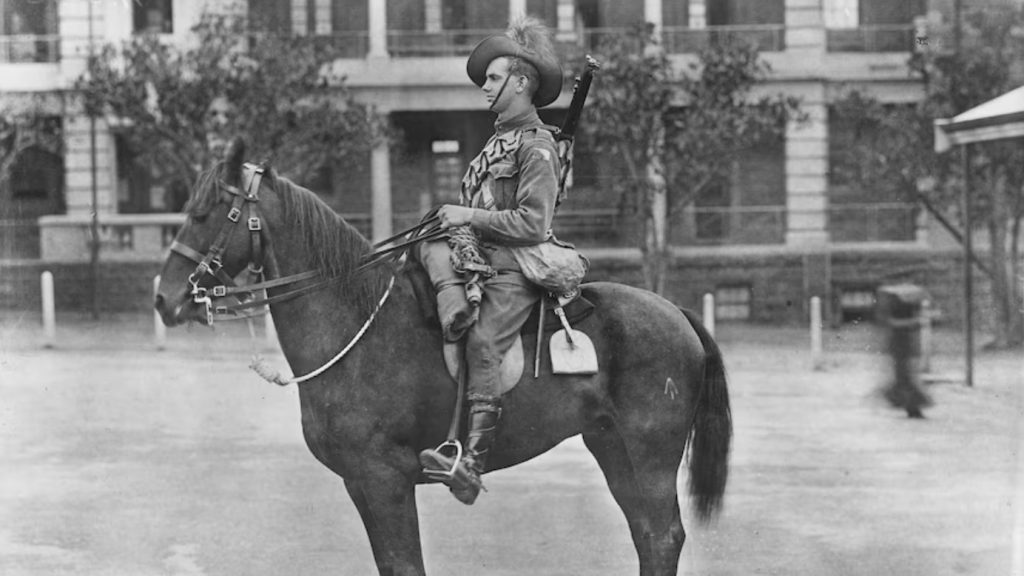
This war also marked the first use of the emu feather plume by Queensland troops. Legend has it that Light Horsemen riding through western Queensland plucked emu feathers from birds they encountered and tucked them into their hats to prove their horsemanship. The practice grew in popularity, and the tall, ragged plume became a symbol of mounted regiments. By the end of the war, the slouch hat and plume were inseparable from the Australian image of the horse soldier.
The Boer War not only gave Australia military experience but also built a sense of national pride, and the slouch hat was part of its birth.
By the time of Federation in 1901, the slouch hat had become the standard headdress of the new Commonwealth military forces. Over the following century, it would become a national symbol.
World War I and the digger’s hat
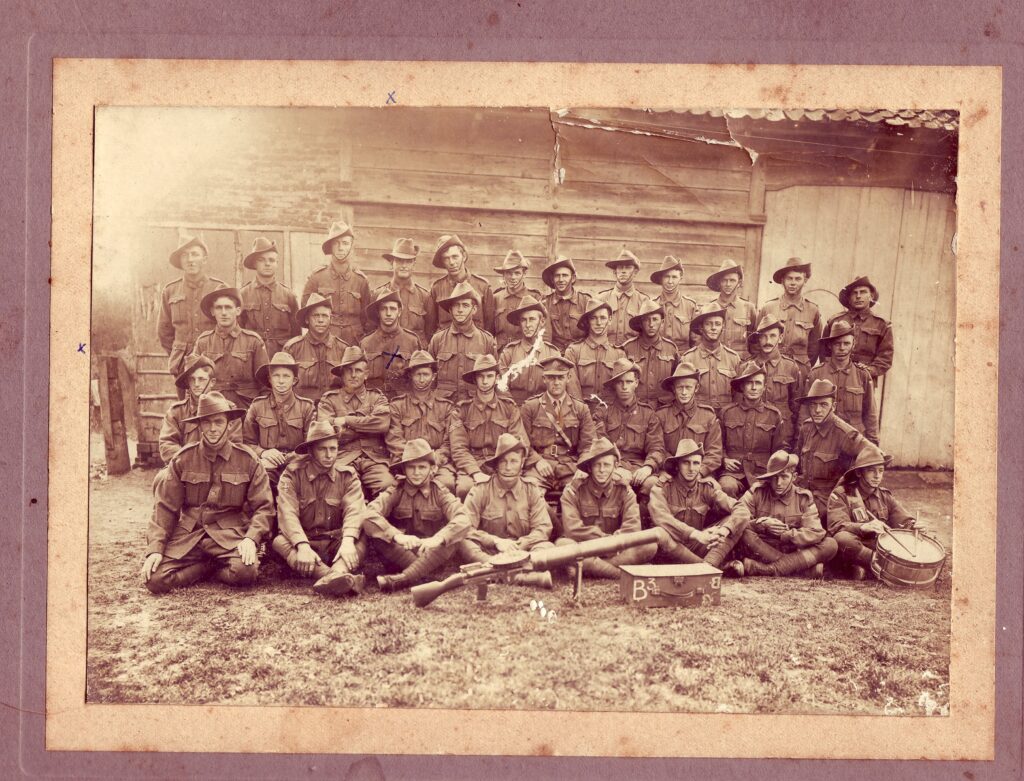
When Australia joined World War I in 1914, it took the slouch hat with it. Photos of Gallipoli show soldiers in trenches with the broad brims drooping in the rain, mud, and fatigue. Sometimes the hat was worn without the brim turned up, and other times both sides were pinned. Regulations said the brim should be turned up on the left side, with the rising sun badge attached, but soldiers on the ground often adjusted theirs as needed.
The slouch hat became a symbol of the Anzac legend. It was practical in desert and field conditions, but it also set Australians apart from the British. While British troops wore peaked caps or steel helmets, Australians kept their slouch hats close and would often wear them again as soon as they were out of danger.
For many, the slouch hat came to represent the qualities Australians valued in their soldiers: independence, resourcefulness, and quiet defiance of strict authority. To “wear the slouch hat” was to bear the responsibilities of a digger.
Between the wars and World War II
After World War I, the slouch hat was officially adopted as the full-dress headgear of the Australian Army. During peacetime parades, cadet corps and militia training, the sight of khaki uniforms topped with slouch hats became a common sight in towns across the country.
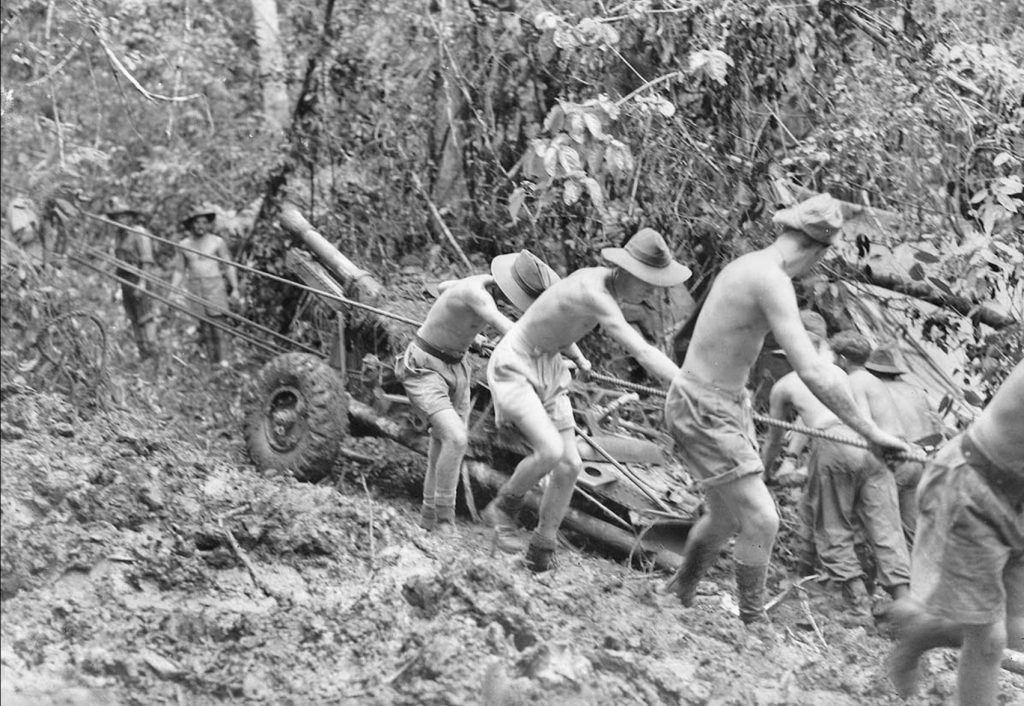
During World War II, the hat was called back into service, journeying from the deserts of North Africa to the jungles of New Guinea. In the tropics, its wide brim was especially prized, even though it was often sweat-stained and battered beyond recognition. Photos from Kokoda show exhausted men with sweat-darkened slouch hats as they struggled up jungle tracks.
American troops serving alongside Australians quickly recognised the hat as a sign of their allies. For Japanese forces, the outline of the slouch hat became a distinctive feature of Australian soldiers in silhouette.
Beyond the battlefield
The slouch hat has never been exclusive to the military. In the early 20th century, state police forces, rural fire brigades and even postal workers adopted versions of it. Its practicality in hot, dry conditions made it a popular choice for outdoor workers.
Bushmen, drovers and farmers also wore wide-brimmed felt hats, often indistinguishable from the Army-issue style. This blurred the line between military and civilian use, embedding the hat further into the national consciousness.
The making of the slouch hat
Today, Akubra Hats, the iconic Australian headwear manufacturer founded in Tasmania in the 1870s and now based in Kempsey, New South Wales, makes the official slouch hats for the Australian Defence Force. Akubra is well known across Australia, and its partnership with the Army has helped ensure that the slouch hat stays proudly Australian-made.
Each hat is made from rabbit fur felt – a material selected for its durability, water resistance, and shape-holding ability. It takes several rabbits to create the felt for one hat, and the process includes cleaning, felting, blocking and finishing. The brims are reinforced to maintain their wide spread, while the crown is shaped to standard regulations.
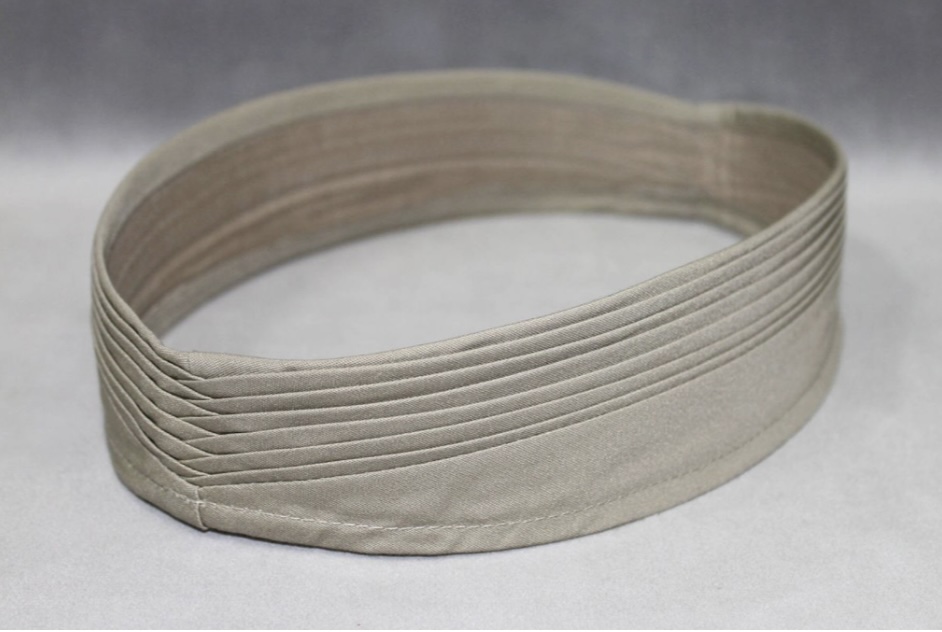
The hat is finished with a puggaree, a cloth wrap around the crown. The puggaree is an adaptation of Indian headwraps designed to provide insulation for hot climates. The current hats feature a seven-plait pale khaki puggaree. Each plait represents the six states, with the seventh symbolising our Territories.
During World War I, it was a plain khaki cloth, which was later replaced with coloured woollen bands that denoted the arm or service after 1930. The colour and style of the puggaree indicate different units and corps. For example, a khaki puggaree with a coloured stripe might signify a specific regiment.
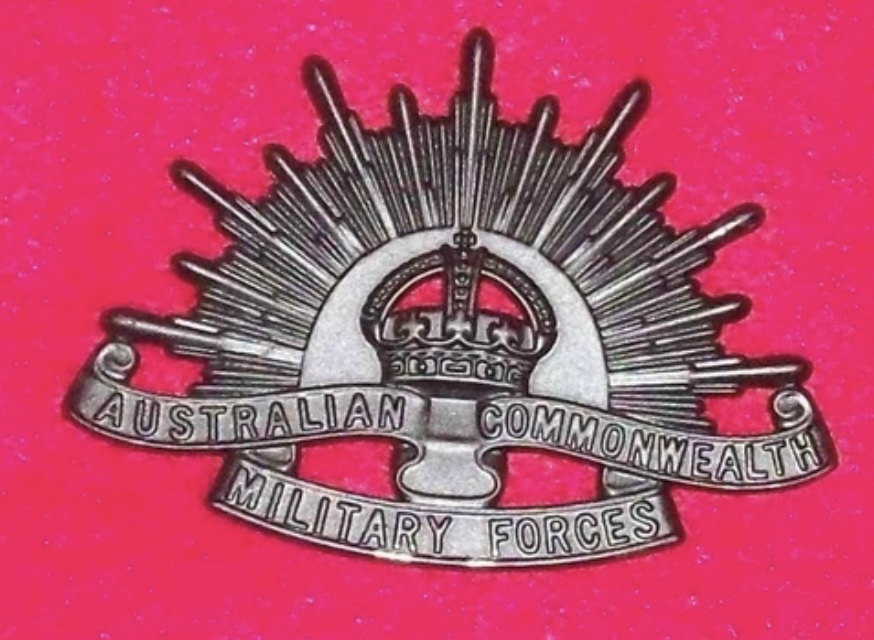
The most recognisable feature, however, is the Rising Sun badge, attached to the left-hand side above the turned-up brim. World War I was also where the rising sun badge was added. However, it is actually a general service badge that has evolved over time. By examining the badge, you can estimate the age of the hat.
Even with modern materials and machinery, each slouch hat maintains a touch of handmade craft, ensuring that while they look uniform, each one has its own individual character.
Symbolism and tradition
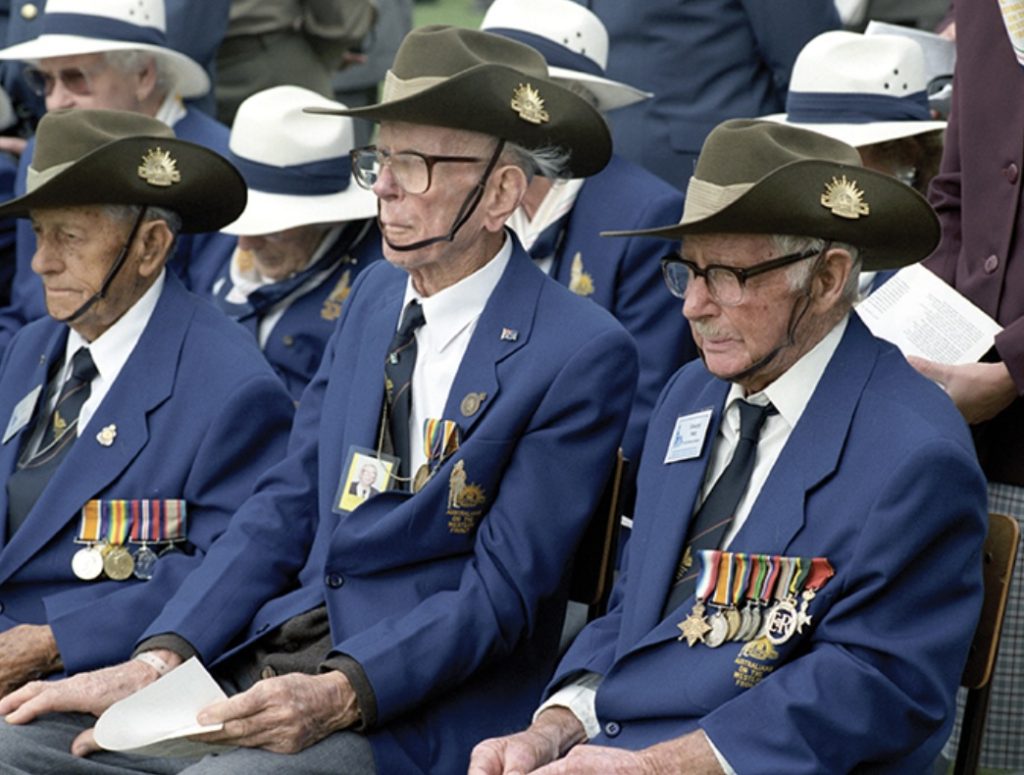
Today, the slouch hat is worn both in ceremonial settings and in the field. During Anzac Day parades, the sight of servicemen and women with their slouch hats tilted just right remains one of the most powerful images of remembrance.
There are strict traditions regarding its wear. The brim is always turned up on the left to allow a rifle to rest on the shoulder without interference. It must be worn square on the head, never at a jaunty angle. The hat is treated with respect, removed indoors or at funerals, and never casually tossed aside.
For many Australians, receiving a slouch hat upon enlistment is not just a moment of pride but also a tangible symbol of joining a long tradition of service that goes back more than a century.
More than just a hat
From Austrian armies to the veldt of South Africa, from Gallipoli to Kokoda, from dusty outback stations to Anzac Day parades, the slouch hat has travelled far. Its European roots remind us that even our most “Australian” icons often come from abroad, but it is the Boer War and the world wars that marked it deeply with an Australian identity.
It’s practical, yet also deeply symbolic. Wearing the slouch hat signifies stepping into history, recognising sacrifice and embodying resilience, loyalty, and quiet pride — qualities Australians still hold dear.
What started as research into a plume of emu feathers quickly grew into a much bigger story. The slouch hat is a story of Australia itself.

All new to me. Passing this through to family.
Another interesting and well-researched story.
I have to say I learnt something today about the origin of this well-recognised slouch hat.
So good to see the hat is recognised the world over.
Thanks, Robert.
Excellent timing with history Robert.
Replica slouch hat worn by my grandfather, Private H J Bacon, #1043, 9th Platoon, B Company, 3rd Brigade, 9th Battalion (First ashore Queenslanders).