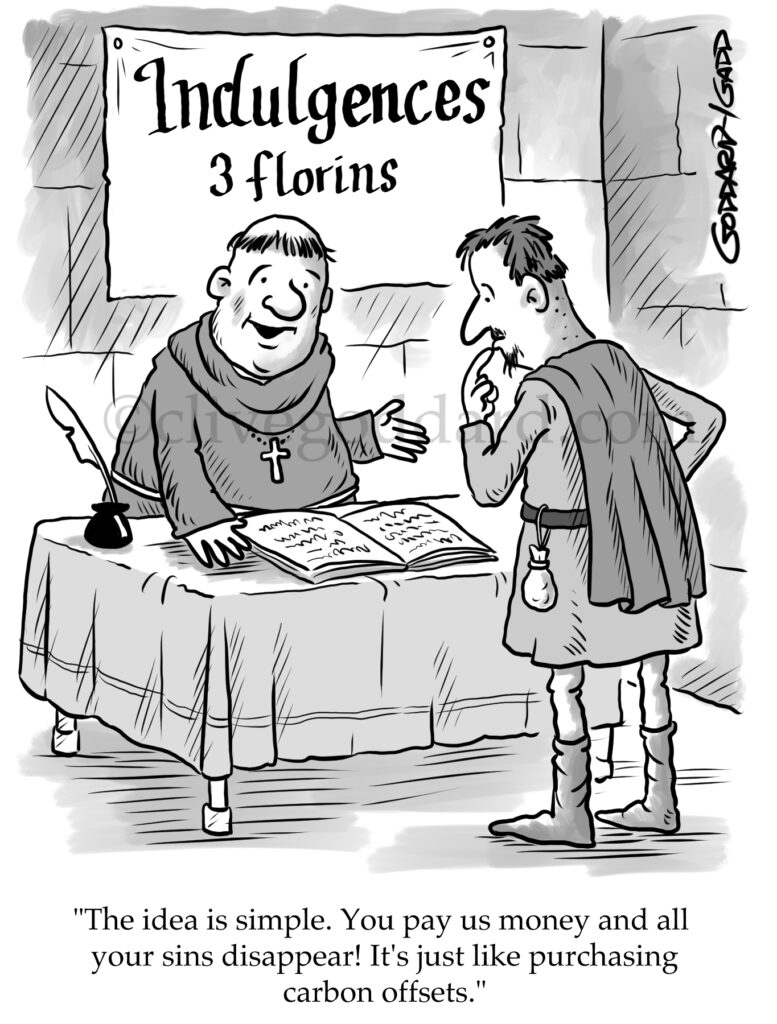
Carbon offsetting is an honesty system coupled with a financial incentive for dishonesty.
– Ketan Joshi
Carbon credits, once hailed as a cornerstone of Australia’s climate change strategy, have been unmasked as a financial sleight of hand. They are marketed as a tool to curb emissions, yet in practice, they have become a glorified accounting trick, enriching a select few while diverting funds from genuine climate action.
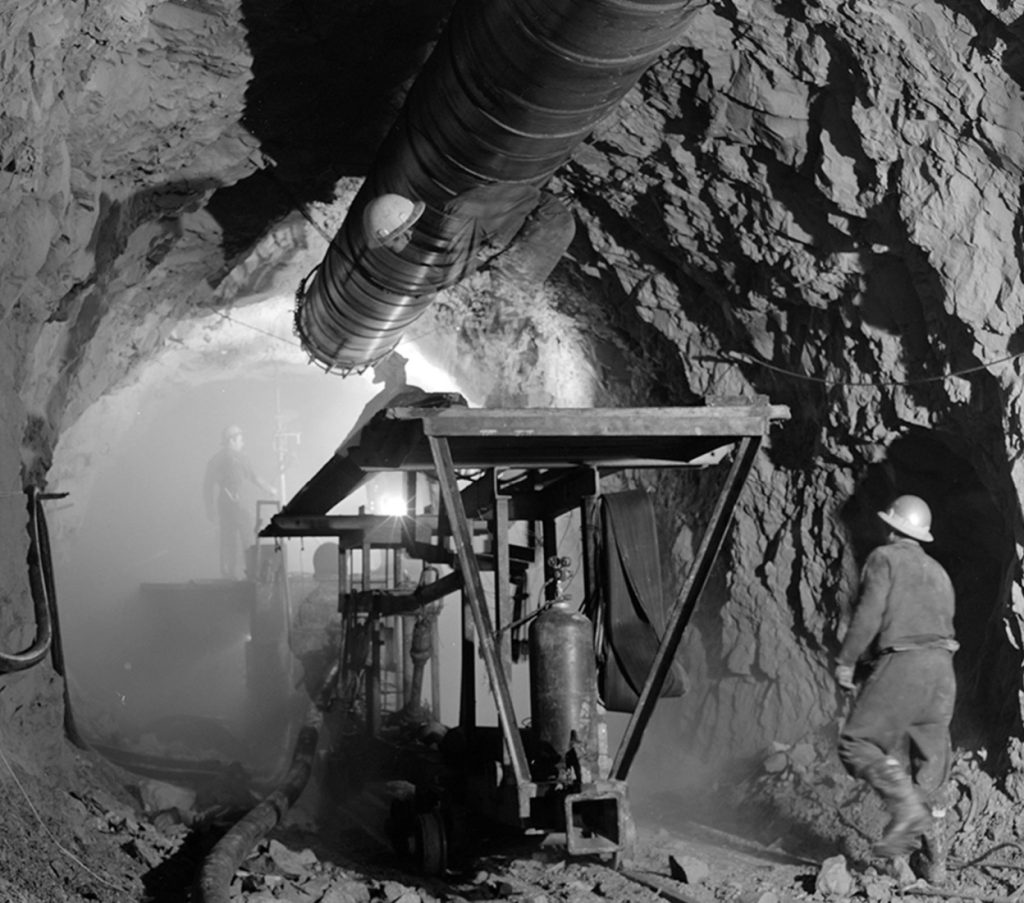
Thank God we had visionary leaders and the world’s best engineers in Australia 75 years ago. Without their efforts, the Snowy Mountains Hydro-Electric scheme – one of the seven engineering wonders of the world – might never have come to fruition.
This monumental project blended innovative thinking, engineering brilliance, and the dedication of a diverse workforce.
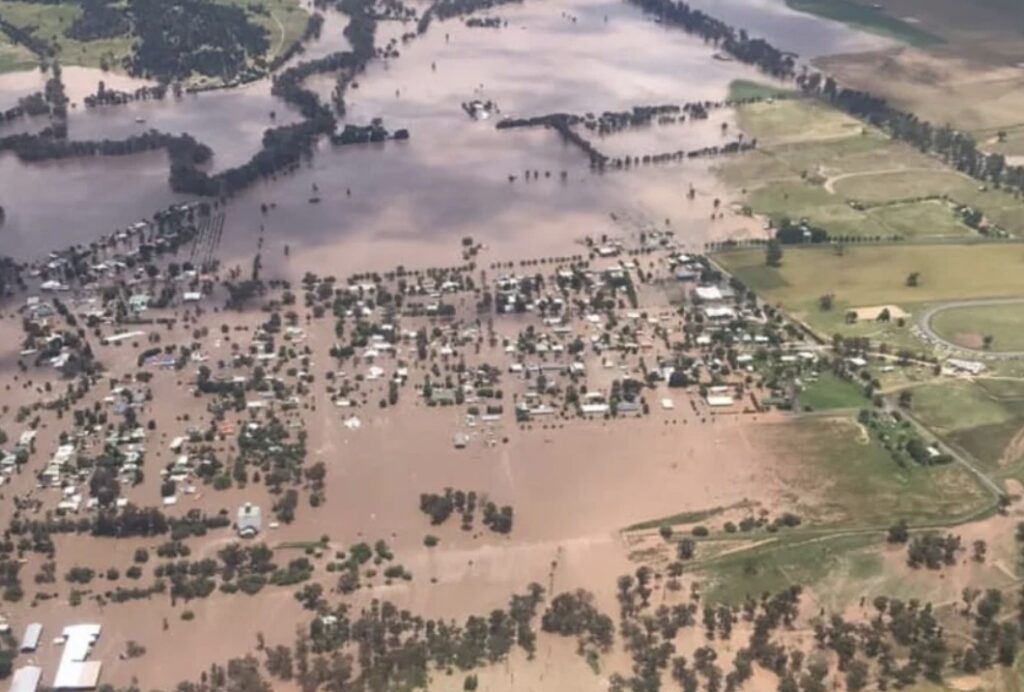
Eugowra station was established in 1834, and the town took its name from the station when a village popped up in the 1860s on the station about 35 kilometres east of Forbes.
The town is most famous for a gold robbery in 1862 when Frank Gardiner and his gang of bushrangers pulled off the biggest gold robbery at Escort Rock just outside of town.
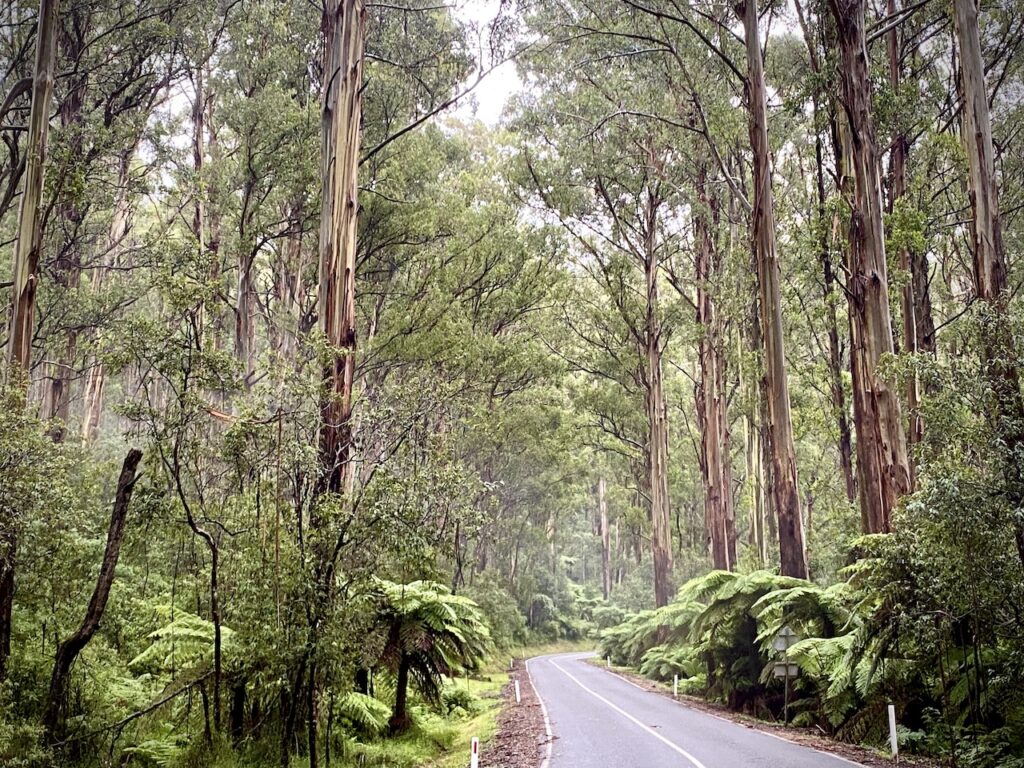
I have spent decades in our wonderful forests, witnessing their cycles of destruction and regeneration, and in all that time, I’ve seen one constant: public perception remains stubbornly fixed on a false image of forestry. Headlines scream of devastation. Activists show photos of freshly logged areas, convincing the public that this is a permanent state.
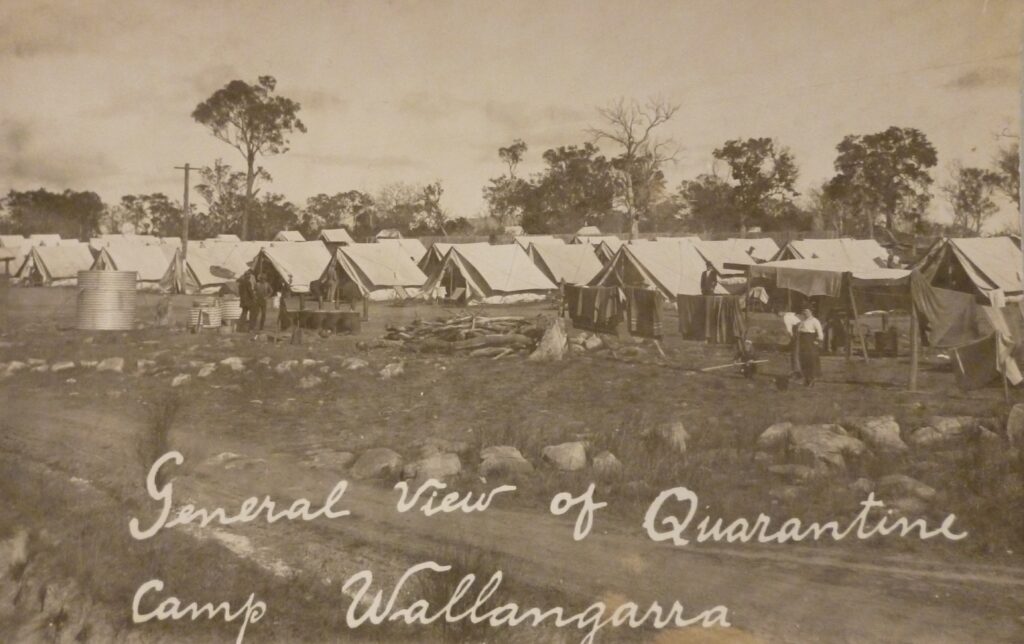
When the railways of Queensland and New South Wales met in 1888, the border towns of Wallangarra and Jennings were created. It was the only rail link between Brisbane and Sydney, leading to a new era in transport. As a consequence, both states introduced the Intercolonial Express train service.
However, the two governments could not resolve the differences in the railway gauges between each state.
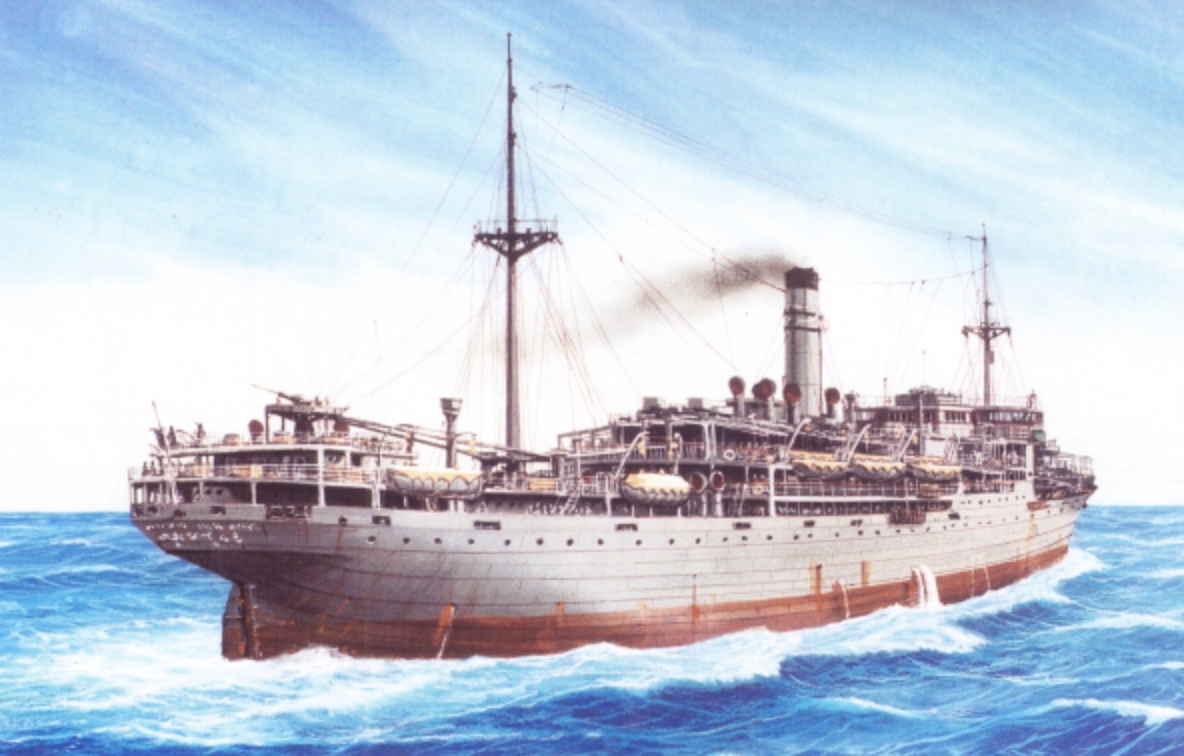
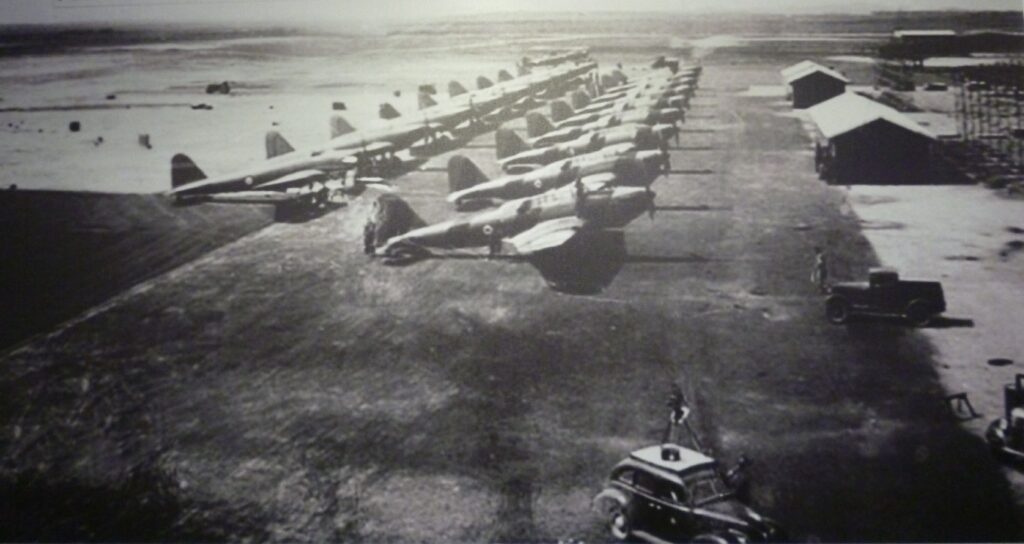
Rabaul, a town of striking beauty nestled on the north-eastern tip of New Britain in Papua New Guinea, boasts magnificent deep-water harbour encircled by a stunning volcanic flooded caldera three kilometres wide. This natural fortification, combined with its strategic location, made Rabaul a coveted prize for colonial powers and, eventually, a significant battleground in the Pacific theatre of World War II.
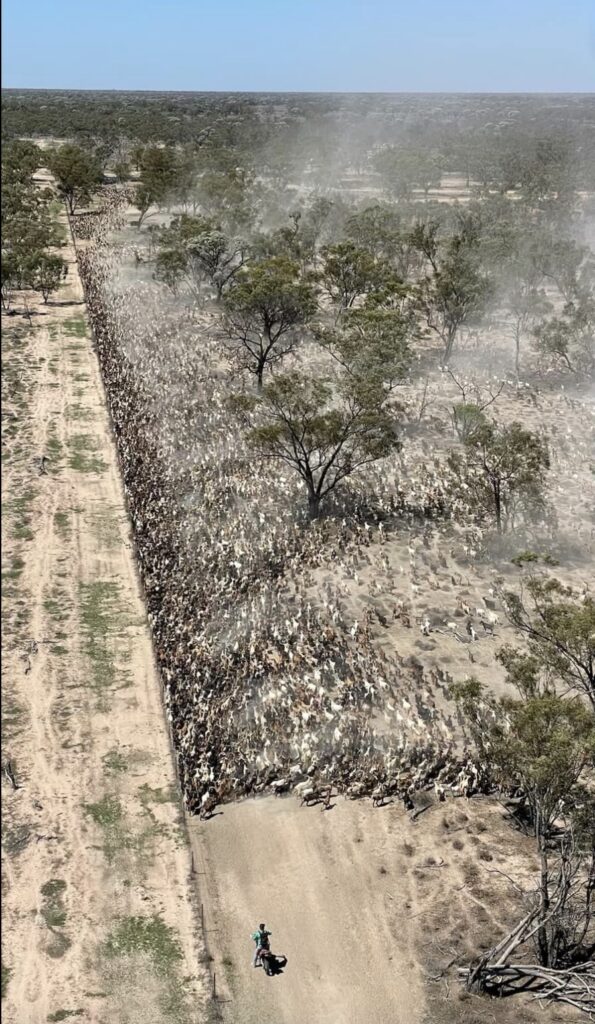
During our trip through western New South Wales in March 2022, we saw significant numbers of feral goats. These goats were everywhere, spanning from Broken Hill east through Wilcannia and Cobar onto Nyngan, covering over 600 kilometres in mulga country.
We had an overnight stop on the Barrier Highway at the Meadow Glen Rest Area, about 60 kilometres west of Cobar.
Gold fossickers were the first settlers to the Evans Head area on the far north coast of New South Wales. Not finding gold, they turned to oyster farming and prawning, with Evans Head becoming Australia’s first commercial prawn port.
In 1919, an Italian immigrant, John Rosolen, built the first General Store.
Any Hollywood film producer needing a blockbuster script should look no further than New South Wales and the aerial culling of brumbies. It is a highly polarised issue and has been for many years. After all, the concern about culling brumbies is not matched by concerns to kill other feral animals or pests, such as deer, pigs, rabbits, foxes and cats.
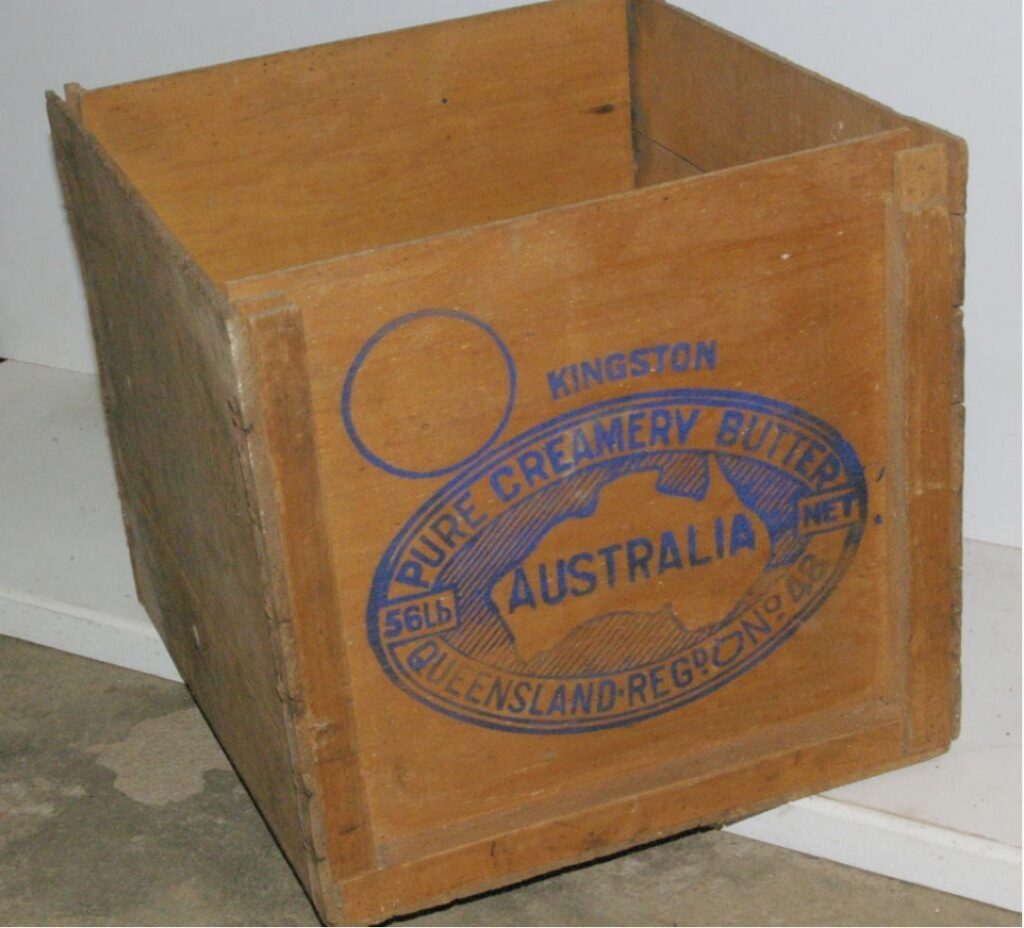
While researching for my three-part series on the truth behind the rainforest wars in New South Wales (Part 1, Part 2, Part 3), there was a constant theme in the historical account of utilising one species of rainforest timber. While the cutting of hoop pine (Araucaria cunninghamii) was undoubtedly very extensive in New South Wales, the scale of utilisation in Queensland was even more significant, and one of its primary uses was for butter boxes.