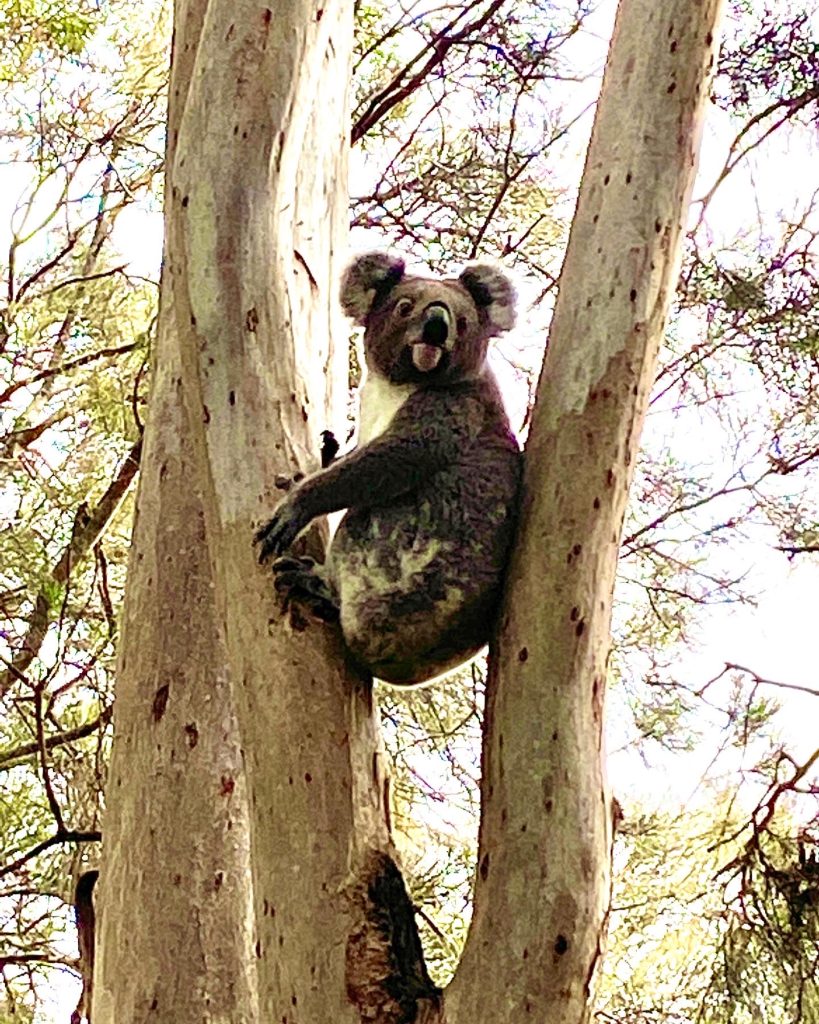
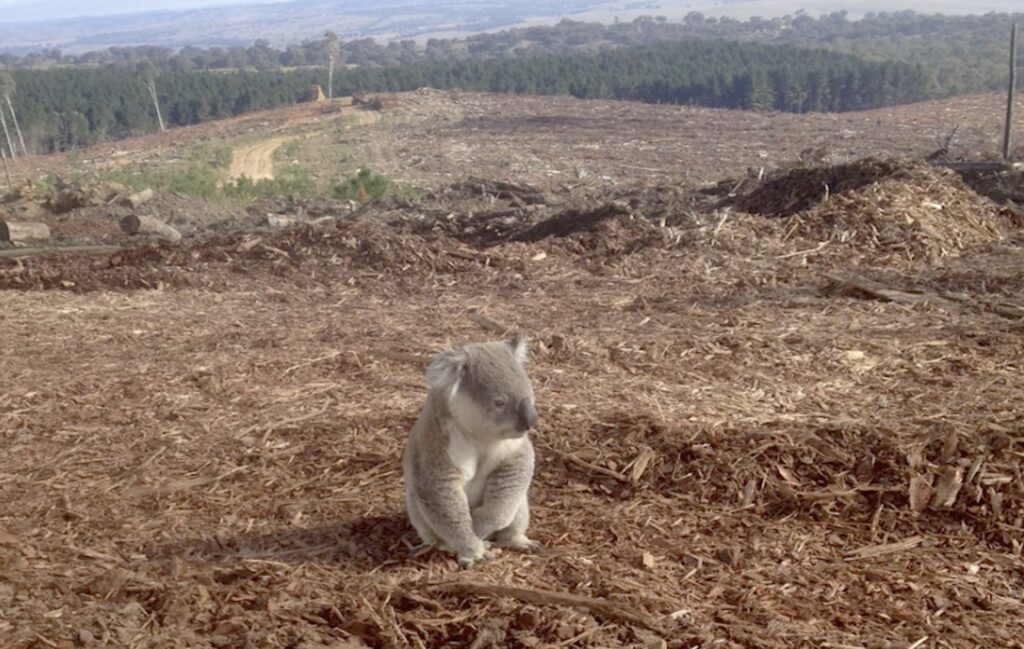
Australia’s koala has become more than just a marsupial. It’s now a symbol, a fundraising tool and a political icon. Smile for photos, showcase their faces on postcards and talk about imminent extinction, and suddenly, money starts flowing. Politicians, environmentalists and the media all love it. Yet, like all great myths, the story of the koala’s supposed doom is more a crafted tale than a real ecological threat.
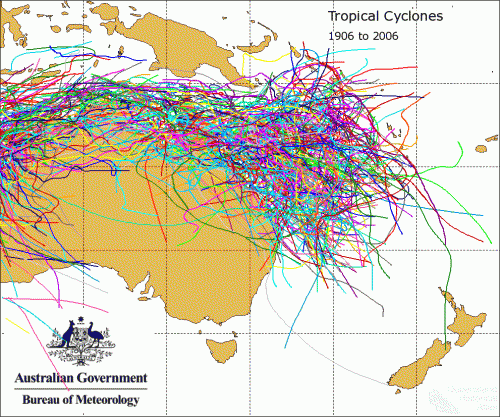
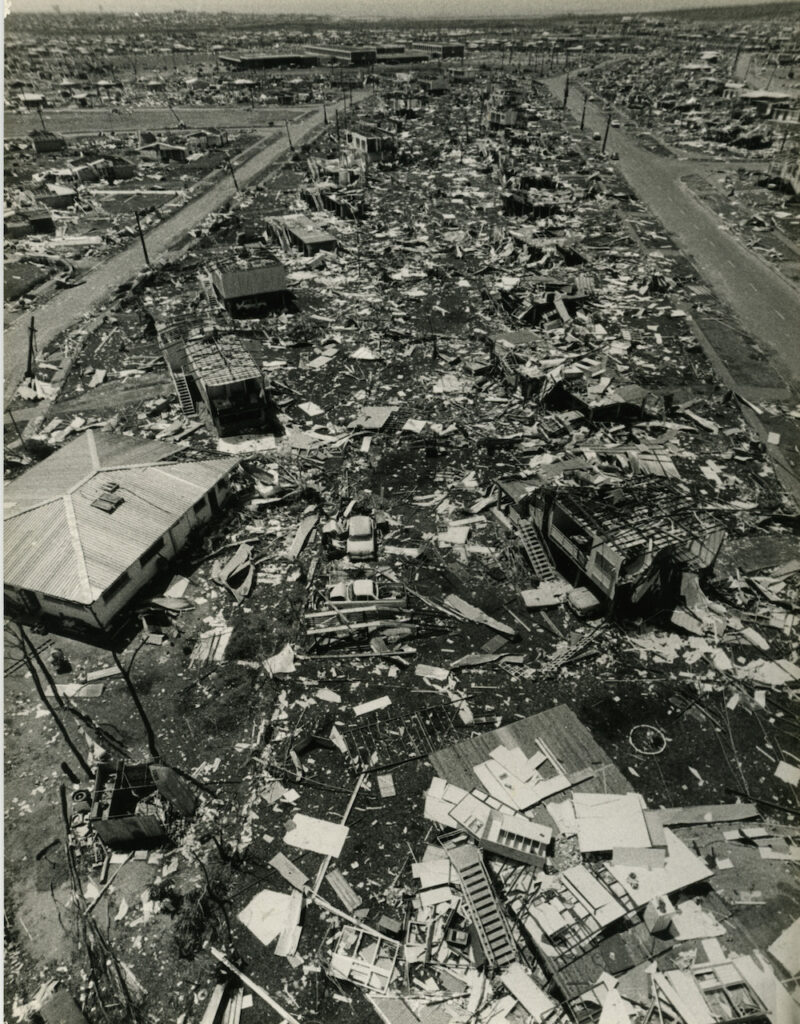
Many Australians see tropical cyclones as a northern phenomenon — storms that belong to Cairns, Townsville, or the Kimberley. Yet, the Fraser Coast, stretching from Fraser Island through Hervey Bay to Maryborough, has long been within their path. Cyclones are not uncommon visitors here. In fact, they have shaped our coast, forests and local stories.
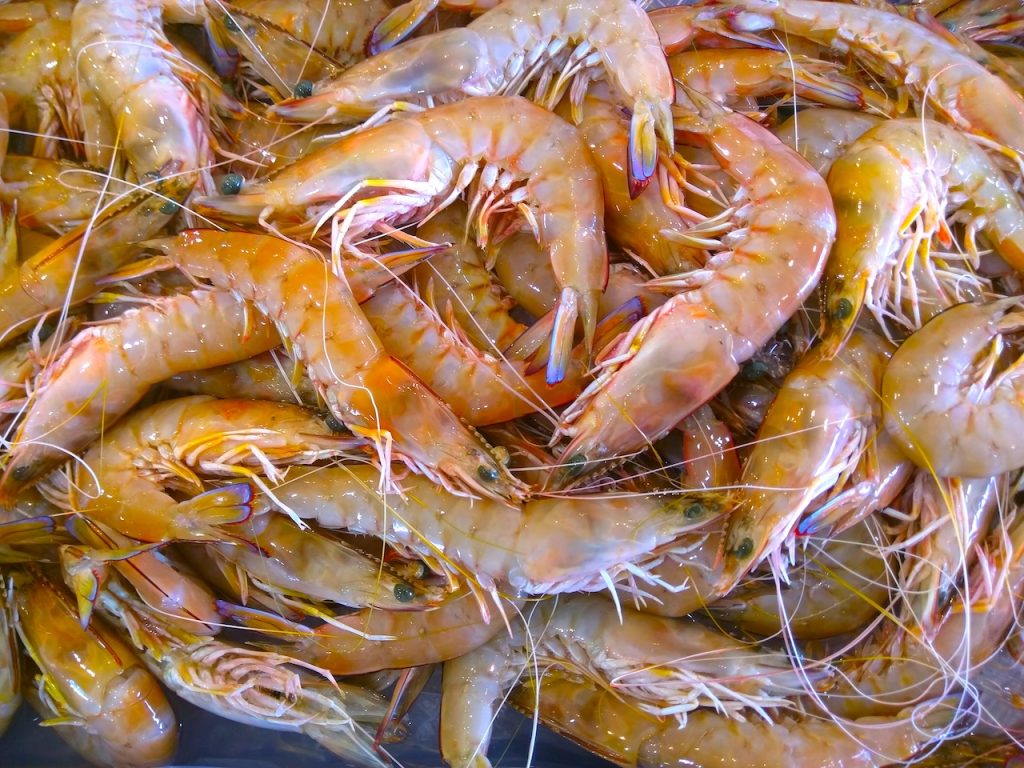
Some say Australia runs on prawns, and during our travels around Australia, I saw a hint of truth to that statement.
The prawn has come a long way from humble beginnings in the shallow waters of Sydney Cove to vast aquaculture farms in Shark Bay and bustling trawler fleets off Karumba.
The prosperity of the Hastings Valley was shaped by the hard work of timber workers and the power of sawmills. It is a valley of vast forests, where towering blackbutts (Eucalyptus pilularis), tallowwoods (E.microcorys), Sydney blue gums (E.saligna), brushboxes (Lophostomen confertus) and flooded gums (E.
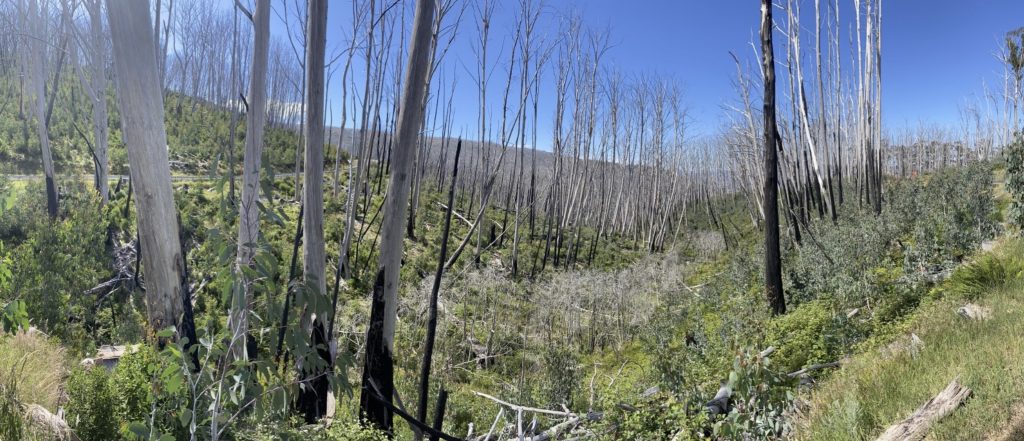
Recently, a troubling narrative has emerged that native forest logging in Australia contributes significantly to increased bushfire risk. Some academics championed this idea, purporting to follow the scientific method, but often their work lacks scientific rigour. These claims have misled the public, skewing the debate around forest management, fire prevention, and the ecological role of logging.
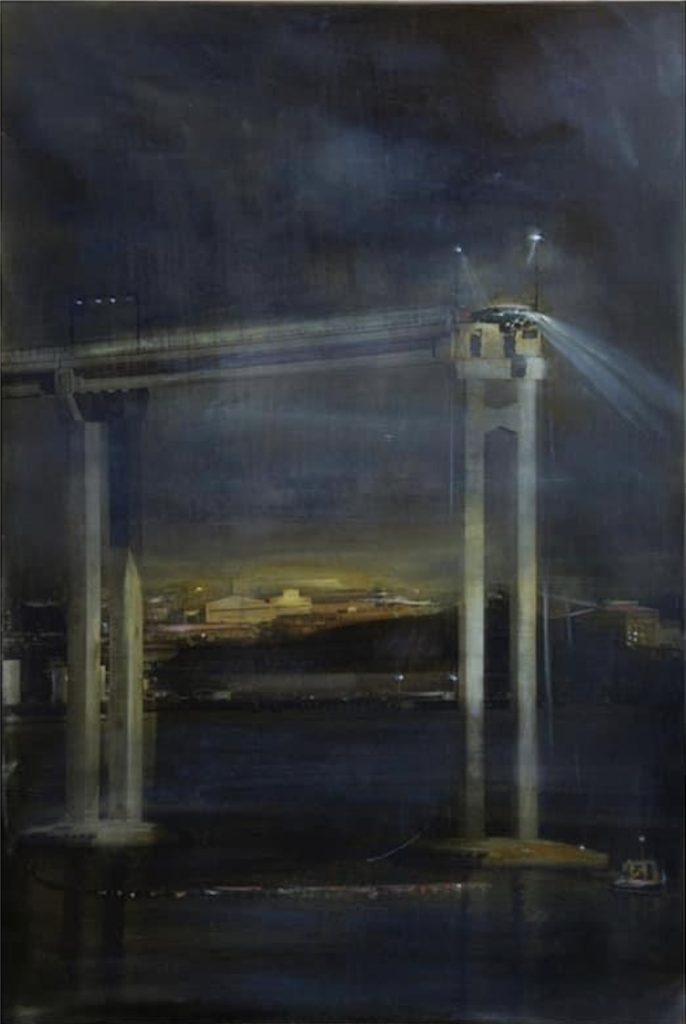
Between 1967-75, Hobart endured a series of catastrophic events. It all started with the Black Tuesday fires in February 1967 that claimed 62 lives. Several other tragedies followed that to Hobartians, seemed like they would never end. August 1969 saw the disappearance of Lucille Butterworth, October 1973 the Blythe Star was wrecked off southern Tasmanian waters with three men drowning and seven survivors spending eight days adrift in a lifeboat, and the Mt St Canice boiler explosion in September 1974 that took eight lives.
It began as a deep distant rumbling, like the stirring of some gargantuan subterranean beast.
It was unsettling at first, ominous, something you felt in your guts more than you heard with your ears, an eerie subsonic vibration that seemed to rise from the bowels of Hades.
“The fundamentals of science are you do not tamper with the original evidence. That has happened with our temperature record, where the past has been cooled and it makes it look as if we’re warming. That is fraud.” Ian Plimer
“BOM are right often enough to be considered, but wrong often enough not to be relied upon.
“They are farming us of our money, not farming the wind or solar.”
“Queensland will be covered in glass and steel to meet ambitious renewable energy targets”
In a previous post, I wrote about the mad scramble by federal and state governments to force a rapid transition to renewable energy despite insurmountable engineering constraints, costs blowouts by a factor of 20 from $78 billion to $1.5 trillion in 2030 and $9 trillion by 2050, and the refusal of our federal minister, Chris Bowen to face up to reality, even after a relentless stream of delays to major renewable projects hits the news each month.