
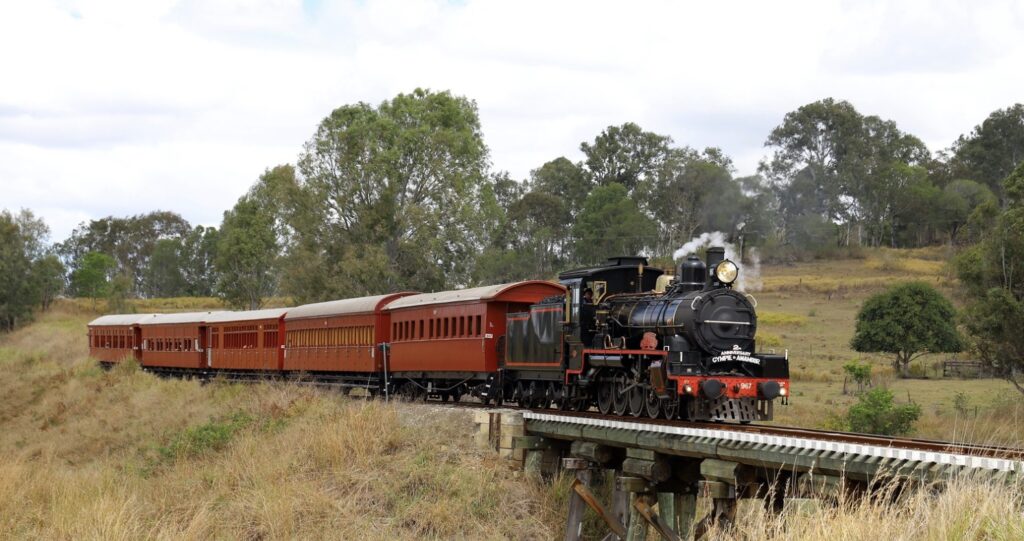
Maryborough
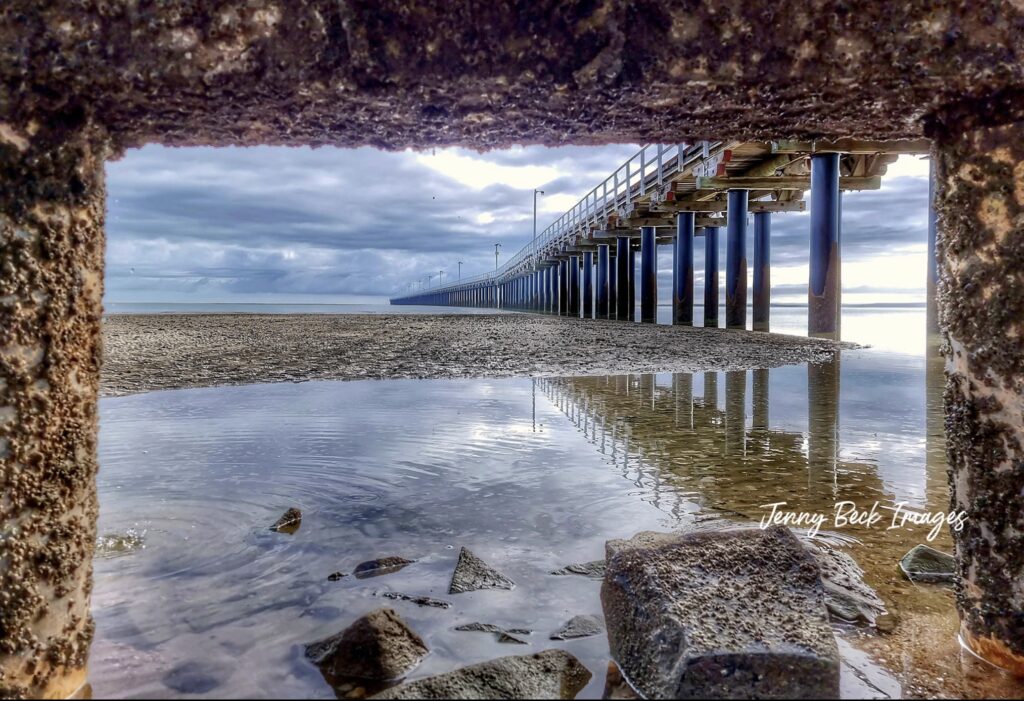
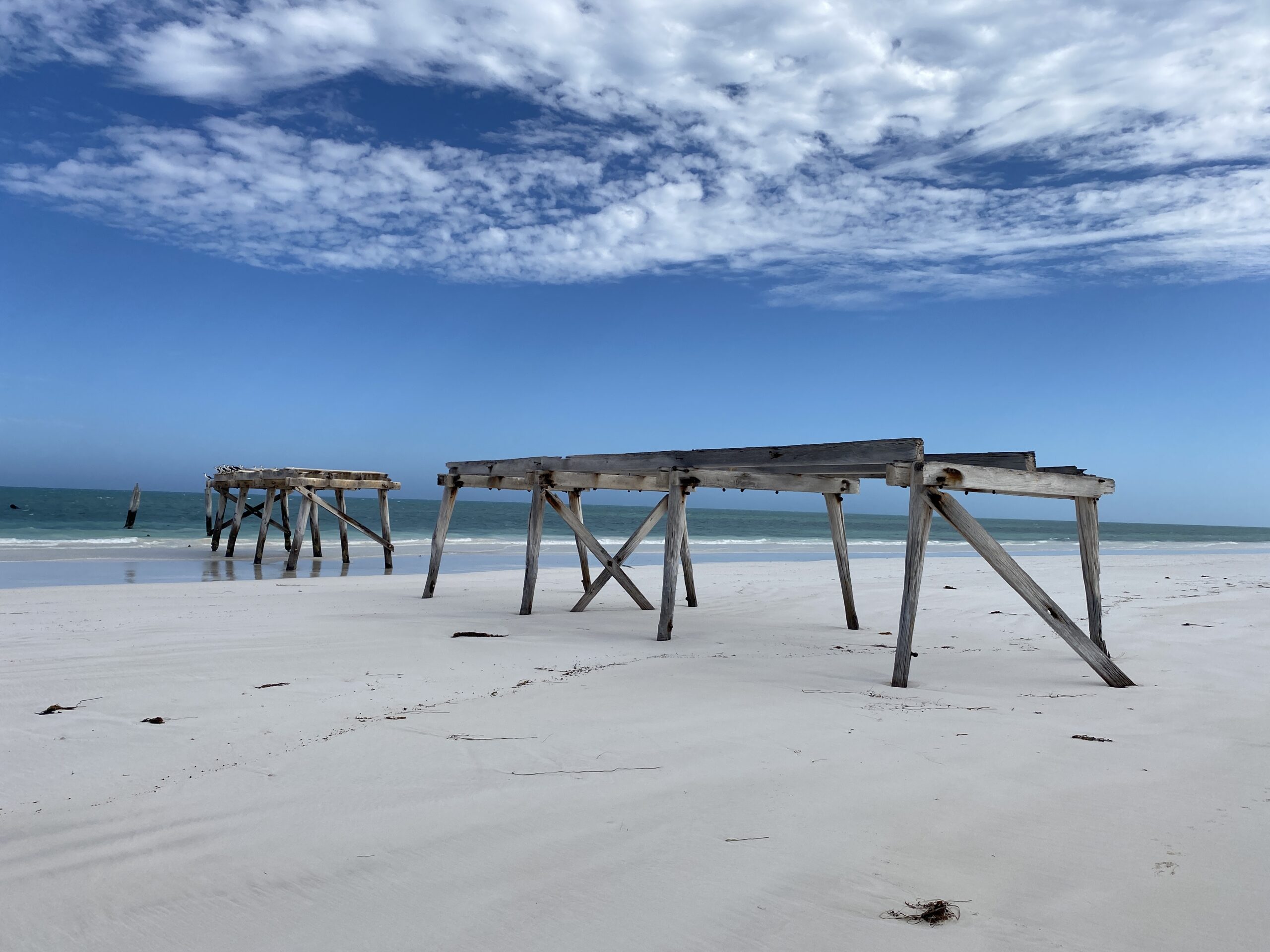
The big shift – towns that have moved in Australia
As we travelled around Australia, I was amazed at how many towns we came across that had shifted for whatever reason. While I already knew about a few, I had no idea many towns were forced to move.
Probably one of the best-known is Eucla on the Nullarbor Plain. The Eucla Telegraph Station opened in 1877 and helped link Western Australia with the rest of Australia and the world.… Read more
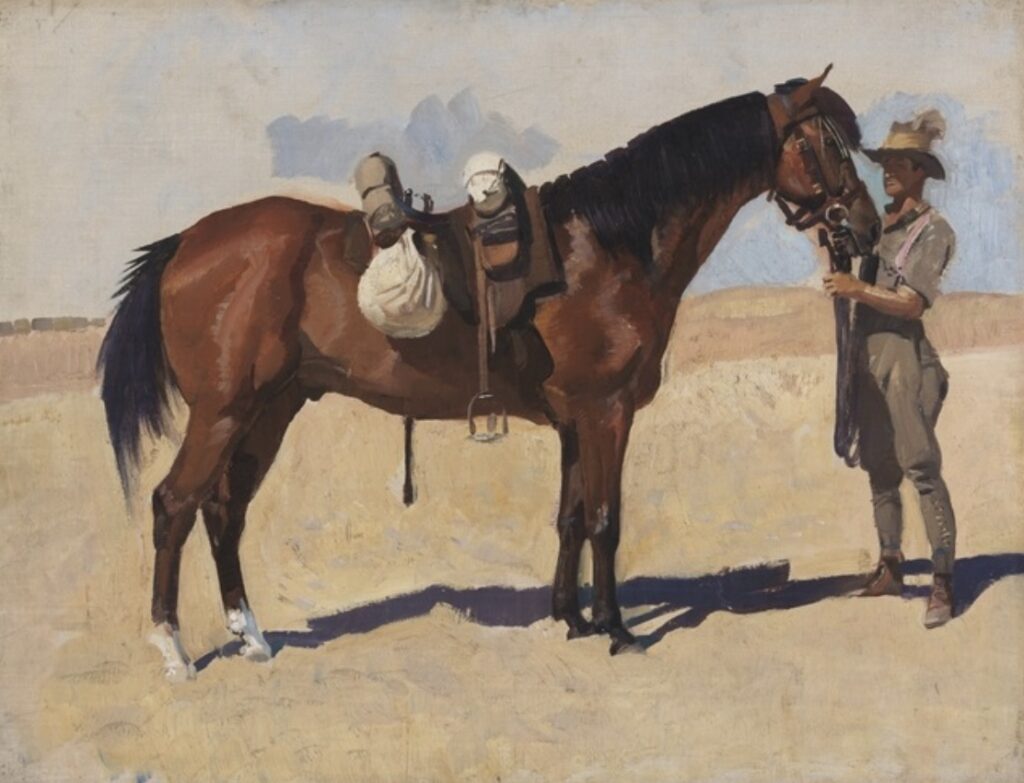
The Waler – a remarkable horse and an Aussie legend
“By members of the Desert Mounted Corps and friends, to the gallant horses who carried them over the Sinai Desert into Palestine, 1915-19. They suffered wounds, thirst, hunger and weariness almost beyond endurance, but they never failed. They did not come home”.
Inscription on a monument erected by returned soldiers in Sydney
As we stop tomorrow to remember those who fought in wars but didn’t return home, I thought I would share an Australian story about a unique horse breed in Australia.… Read more
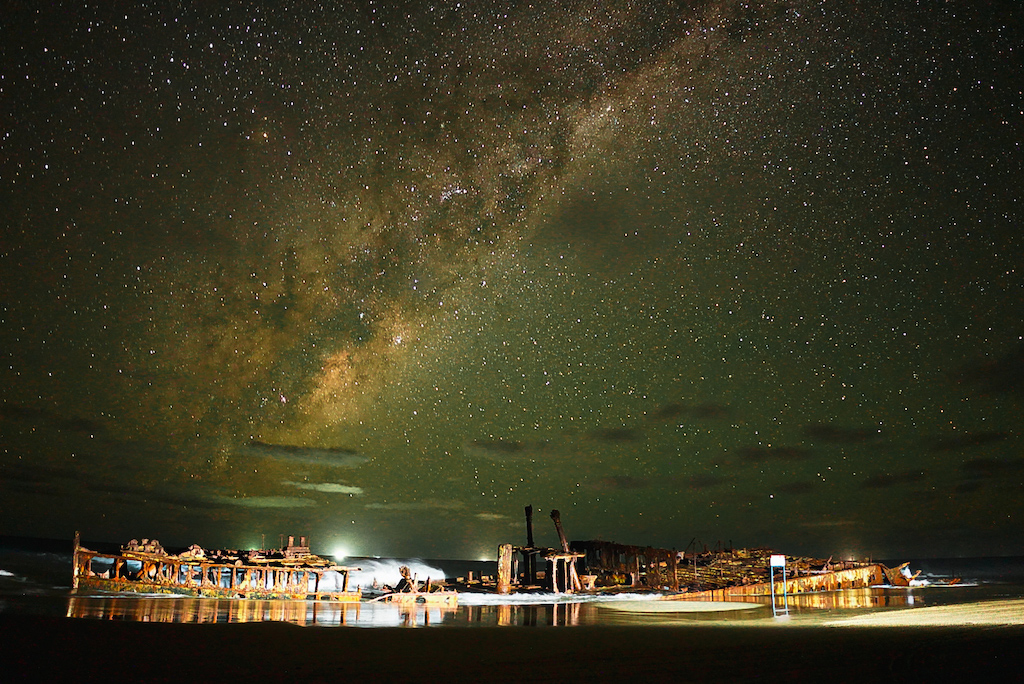
The slow disappearance of one of Fraser Island’s tourist icons
Every Fraser Island visitor has seen or knows about the Maheno wreck on the eastern shore about five kilometres north of Happy Valley. These days it is a tourist attraction and photographic stop. It must be the most photographed piece of rust in the world. The rusted remains, however, bear no resemblance to the luxury liner that plied its trade between Australia and New Zealand and the war-time hospital shipping the Mediterranean.… Read more
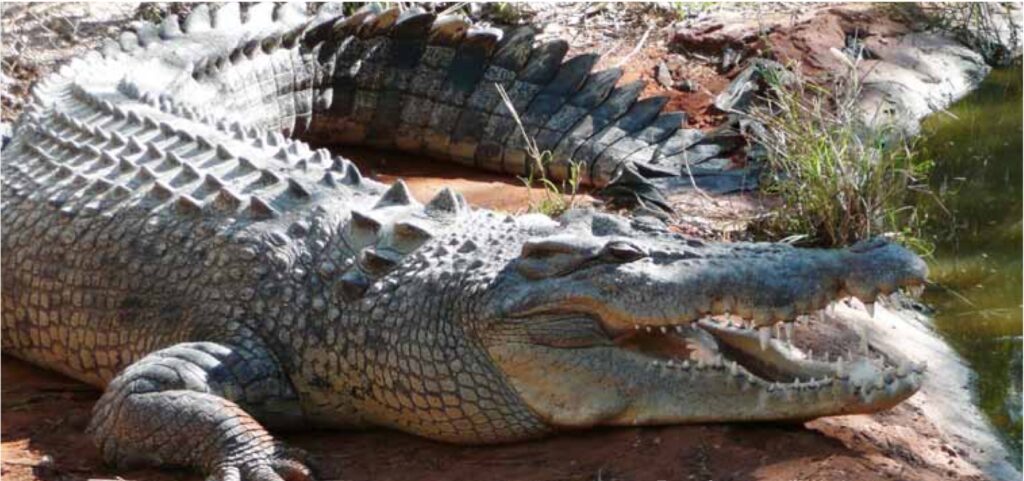
Should we cull crocodiles?
Crocodiles are ancient reptiles with their ancestors around before the age of the dinosaurs. What makes them so durable is they are perfectly adapted to their environment. The estuarine or saltwater crocodile (Crocodylus porosus) is most likely encountered in tidal rivers and estuaries, billabongs, and floodplains. However, they can also be found in the open sea.… Read more
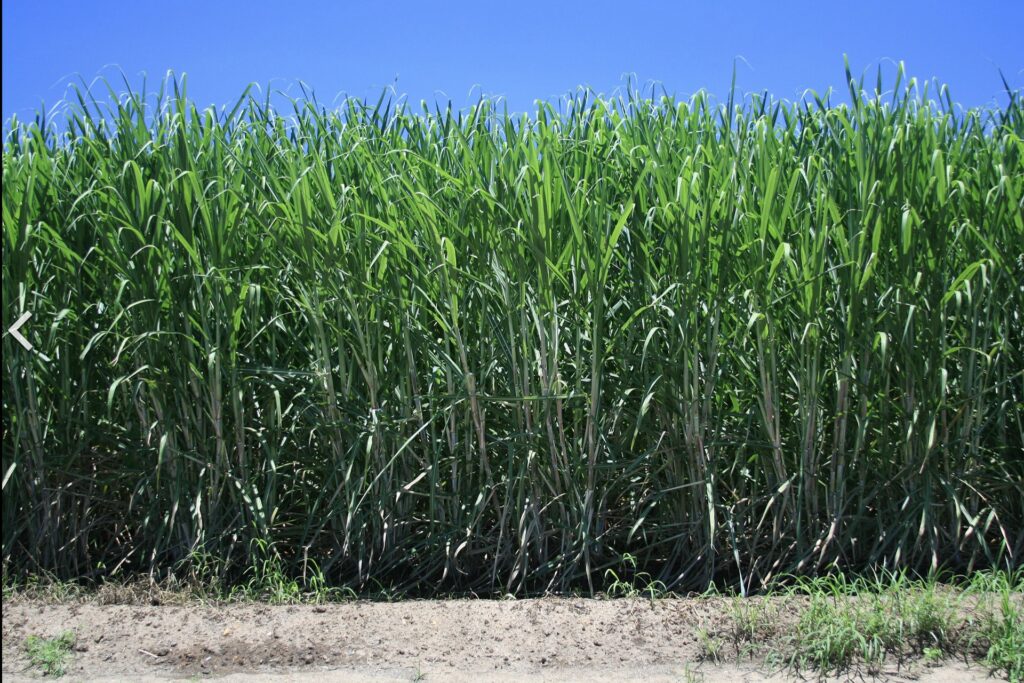
The banana (and sugar and pineapple) state – a look at some major food crops in the Queensland tropics
Driving around tropical North Queensland, we have seen and walked in remarkable rainforest-clad mountains and viewed beautiful coastal scenery. However, one of the more enduring memories was the actual extent of banana, sugar cane and pineapple farms.
I was exposed to banana and sugar cane farming in my youth. When I lived in Maryborough (Queensland) in the early 1980s, sugar cane was a dominant enterprise.… Read more
A strange name for a tree
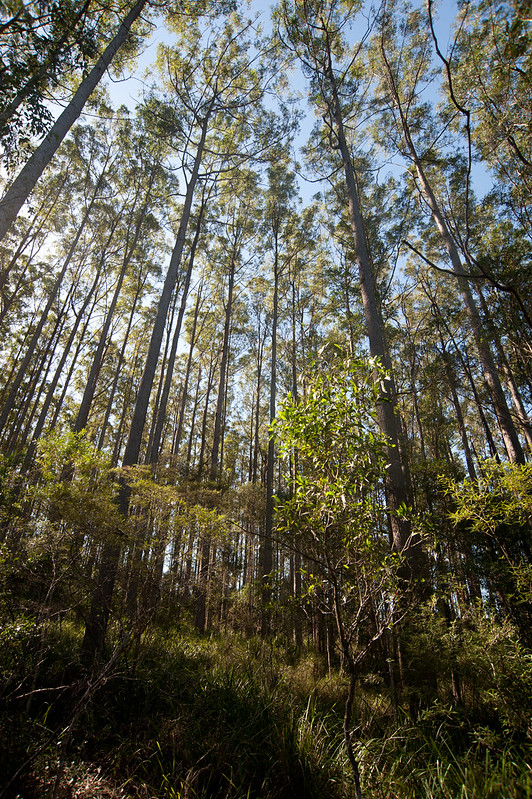
While visiting Cardwell in North Queensland, we enjoyed the forest drive in Cardwell State forest. We stopped to look at Attlie Falls, and as I walked the short distance, my focus was towards the ground. I noticed bark on relatively large trees resembled a Pinus spp (an exotic pine tree). I had a brief but strange thought I was walking through a very mature pine forest until I looked up and realised I was looking at one of my favourite eucalypt trees.… Read more
Vertigo, carton shouts, and a one person tent – Cardwell over 30 years ago
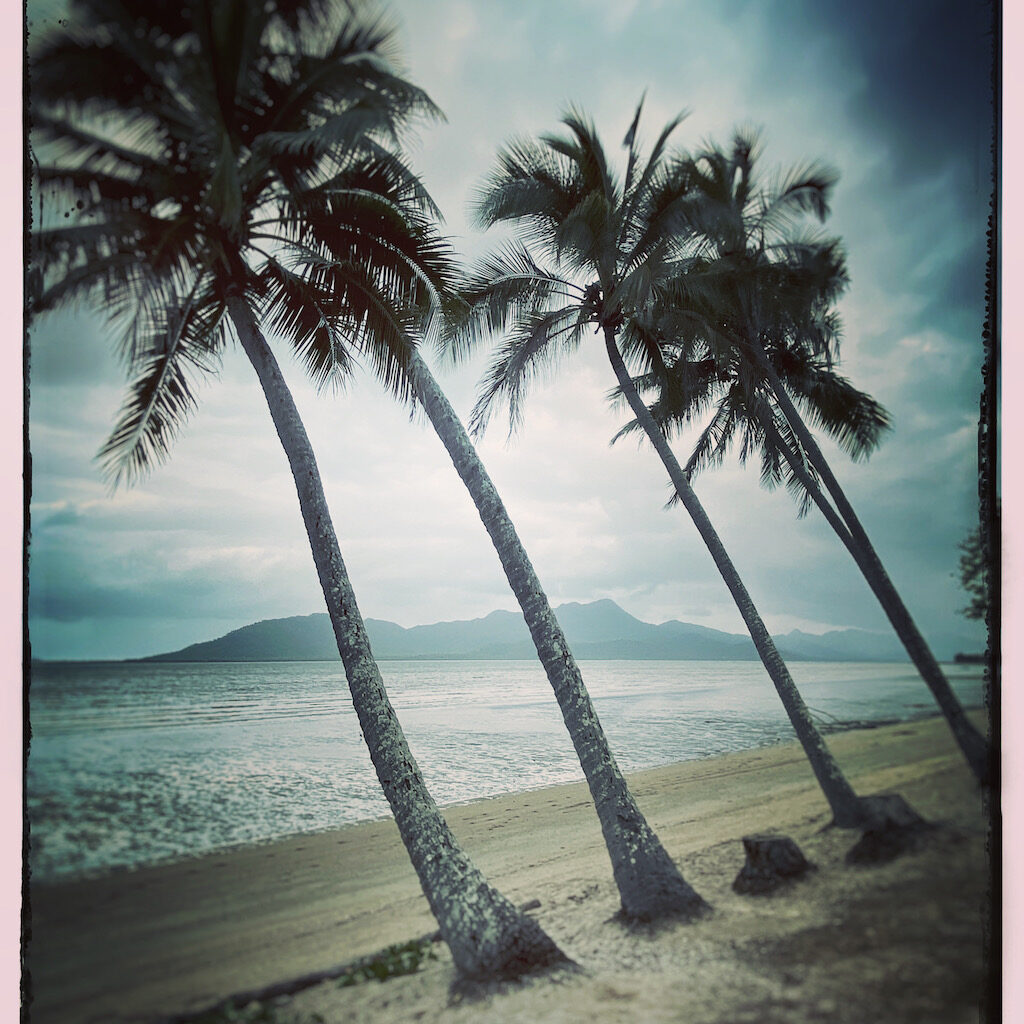
We arrived in Cardwell at the end of August, and I was very much looking forward to seeing the town again. I have only been to Cardwell twice previously, and I have fond memories of both visits. We lived at the seaside village of Penguin when we were in Tasmania. It is unique in that most of its main street has one side fronting an undeveloped beach.… Read more