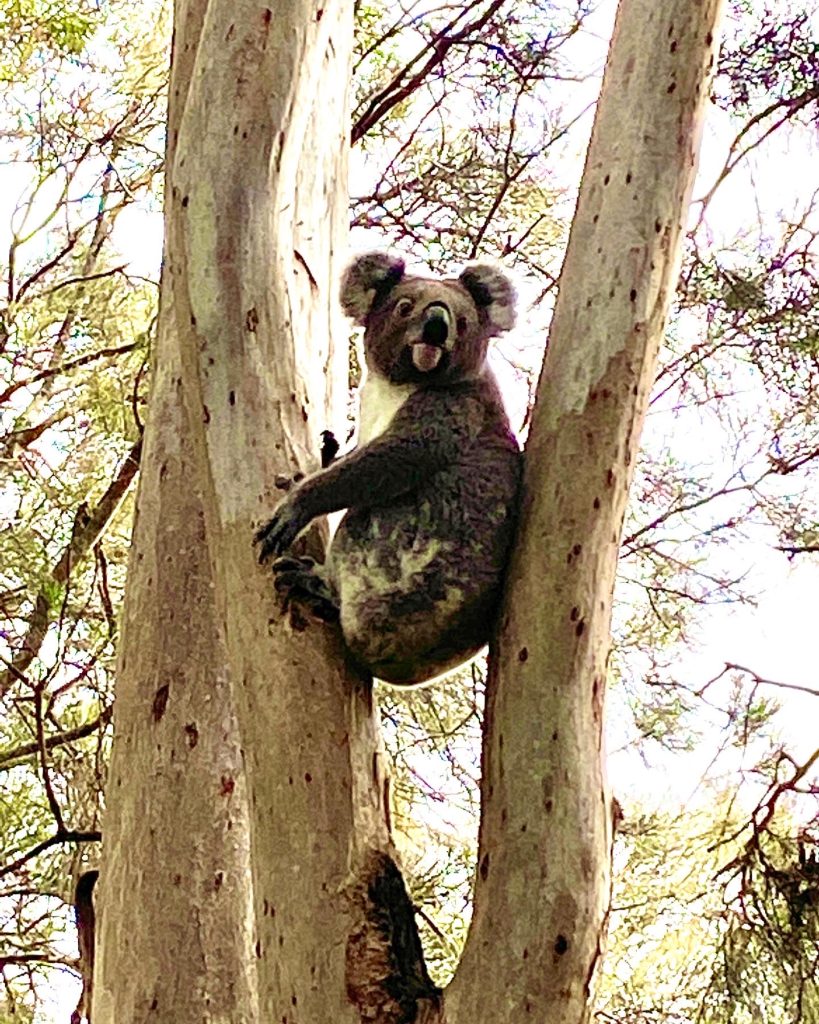
Australia’s koala has become more than just a marsupial. It’s now a symbol, a fundraising tool and a political icon. Smile for photos, showcase their faces on postcards and talk about imminent extinction, and suddenly, money starts flowing. Politicians, environmentalists and the media all love it. Yet, like all great myths, the story of the koala’s supposed doom is more a crafted tale than a real ecological threat.
For many Australians of a certain age, the magic of Christmas wasn’t just about the excitement of presents under the tree or the smell of a roast wafting through the kitchen. It also meant the annual arrival of Christmas beetles.
Their abundance meant they quickly became ingrained in our cultural psyche.
Another Spring Carnival in Melbourne has come and gone. I wasn’t born a racing man. While I went to school with guys steeped in the Sydney scene at Royal Randwick Racecourse, I was never hooked. I have a couple of mates in Hervey Bay, Dave from “the Shire” in Sydney and Macca from Alice Springs.
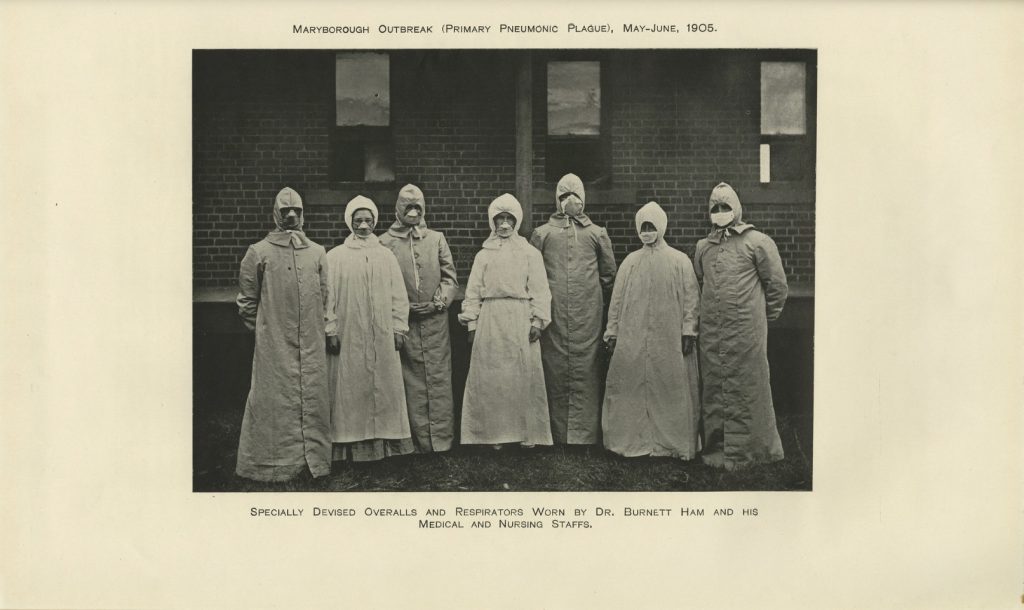
On a damp May night in 1905, the O’Connell children coughed and wheezed in their cramped weatherboard cottage at the corner of Sussex and Pallas Streets, Maryborough. Their neighbour, Mrs Letetia Edwards, heard the rasping sounds through the thin walls and crossed the street to help.
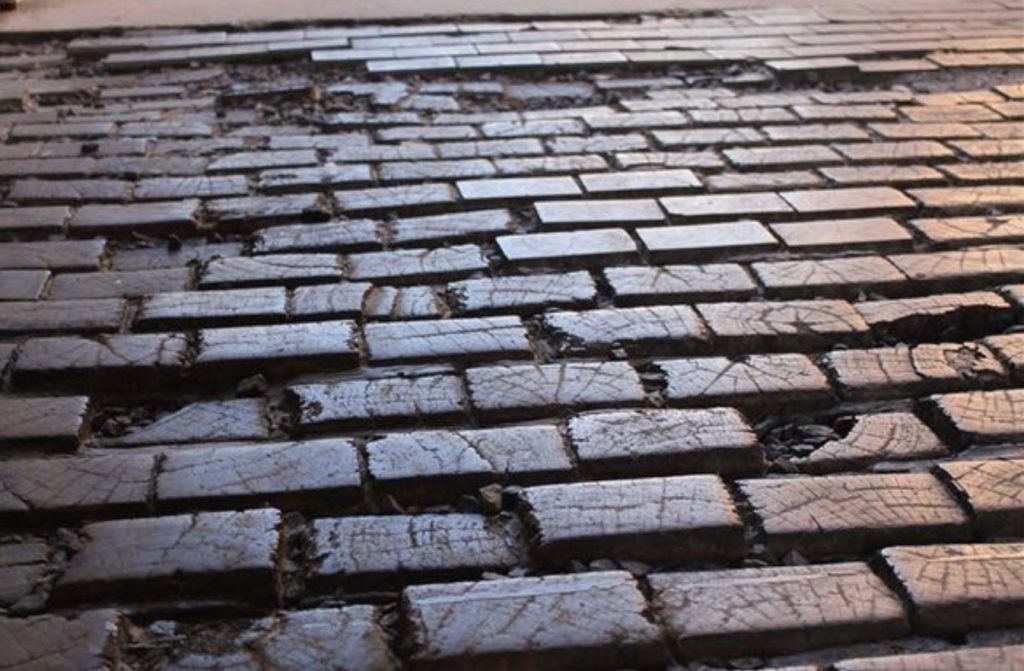
For centuries, timber has been the backbone of human progress, building homes, fuelling fires, and shaping cities. Few of its many applications are as overlooked yet profound as the humble wooden paver. These blocks of timber, placed beneath the wheels of horse-drawn carriages and later automobiles, not only quieted the clamorous streets of bustling cities but also symbolised a harmonious partnership between nature’s bounty and human ingenuity.
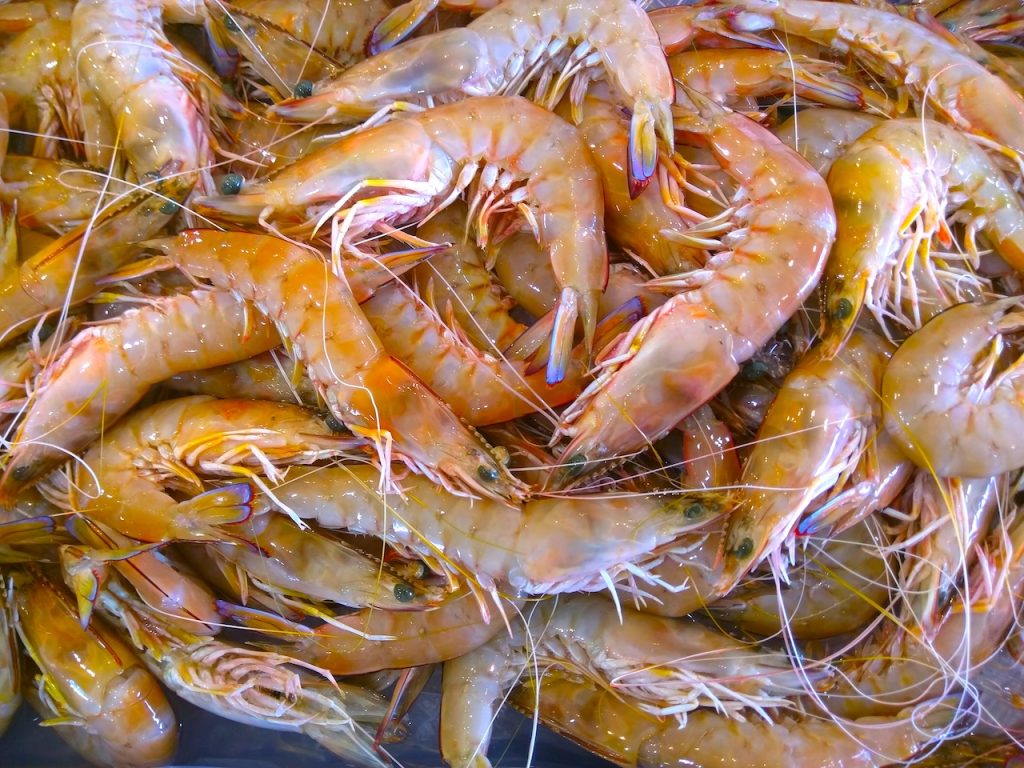
Some say Australia runs on prawns, and during our travels around Australia, I saw a hint of truth to that statement.
The prawn has come a long way from humble beginnings in the shallow waters of Sydney Cove to vast aquaculture farms in Shark Bay and bustling trawler fleets off Karumba.
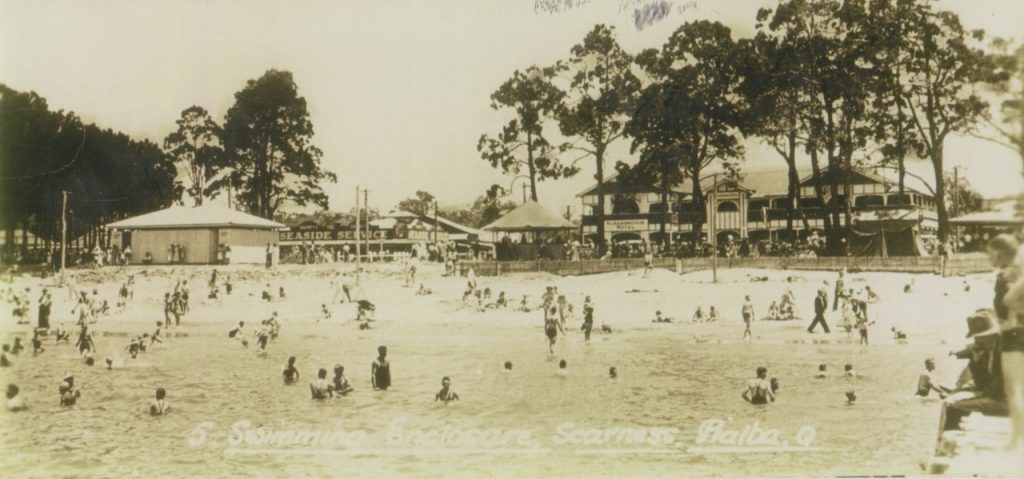
In the early 20th century, Hervey Bay was not the bustling regional hub we know today. Instead, it was a picturesque cluster of seaside villages along the foreshore, stretching from Urangan in the east westwards to Torquay, Scarness, Pialba and finally Point Vernon. As tourism grew, particularly during the long summer holidays, safe swimming became a serious concern for both visitors and locals.
In the years leading up to Queensland’s separation from New South Wales in 1859, the political mood across the continent’s northern reaches was restless yet hopeful. From the sunbaked cattle runs of the Darling Downs to the pine-timbered ridges around Moreton Bay, there was a low murmur that grew louder. Why should decisions for the north be made from distant Sydney?
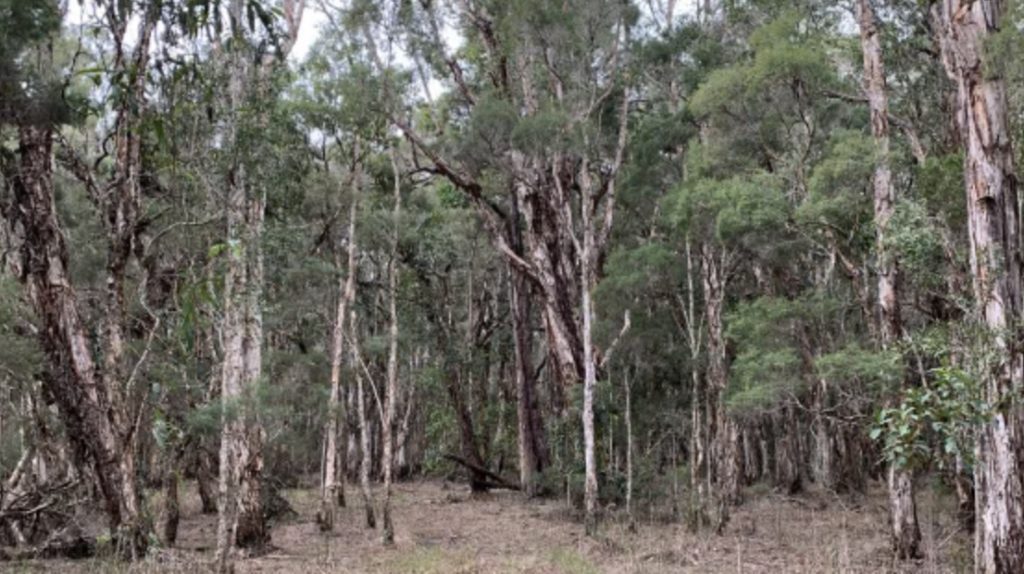
This story explores the transformation of the humble Australian tea tree (Melaleuca spp.), which thrives in swampy areas, into an essential oil and other various health care products sold globally.
The burgeoning tea tree industry began in a remote, swampy area of the Richmond River Valley district in northern New South Wales.