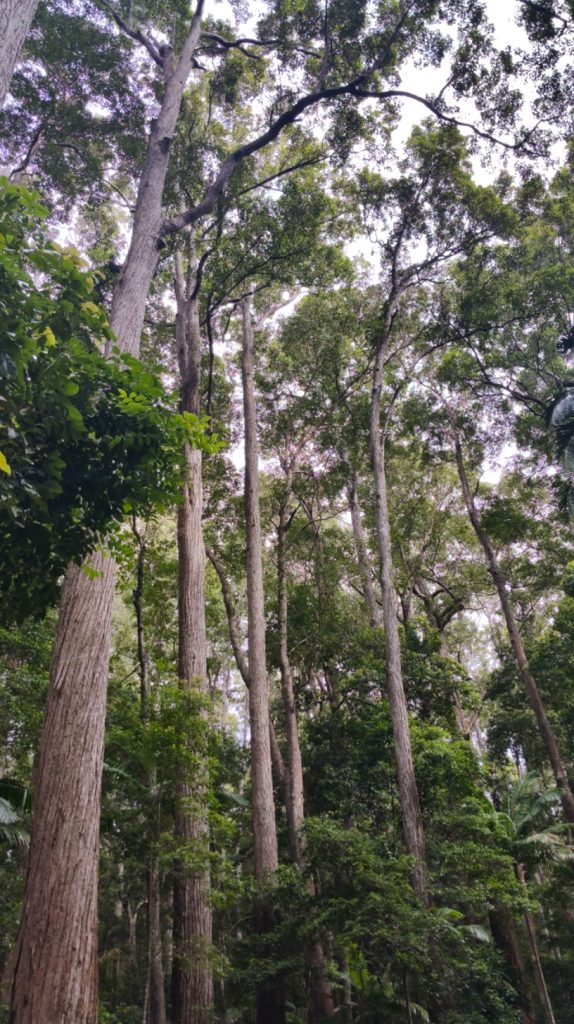
I have previously written about satinay. In an earlier essay, ‘The aristocratic satinay,’ I explored the history of this remarkable Fraser Island timber, from its initial neglect to its eventual recognition as one of Australia’s finest hardwoods. That story emerged from years spent in and around Fraser Island’s forests and from a fascination with how a timber once considered unworkable came to be highly valued for flooring, furniture and demanding marine applications.
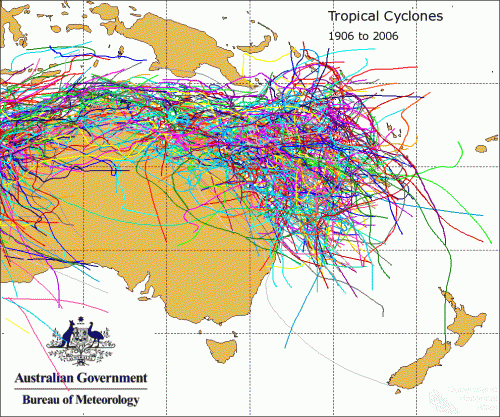
Many Australians see tropical cyclones as a northern phenomenon — storms that belong to Cairns, Townsville, or the Kimberley. Yet, the Fraser Coast, stretching from Fraser Island through Hervey Bay to Maryborough, has long been within their path. Cyclones are not uncommon visitors here. In fact, they have shaped our coast, forests and local stories.
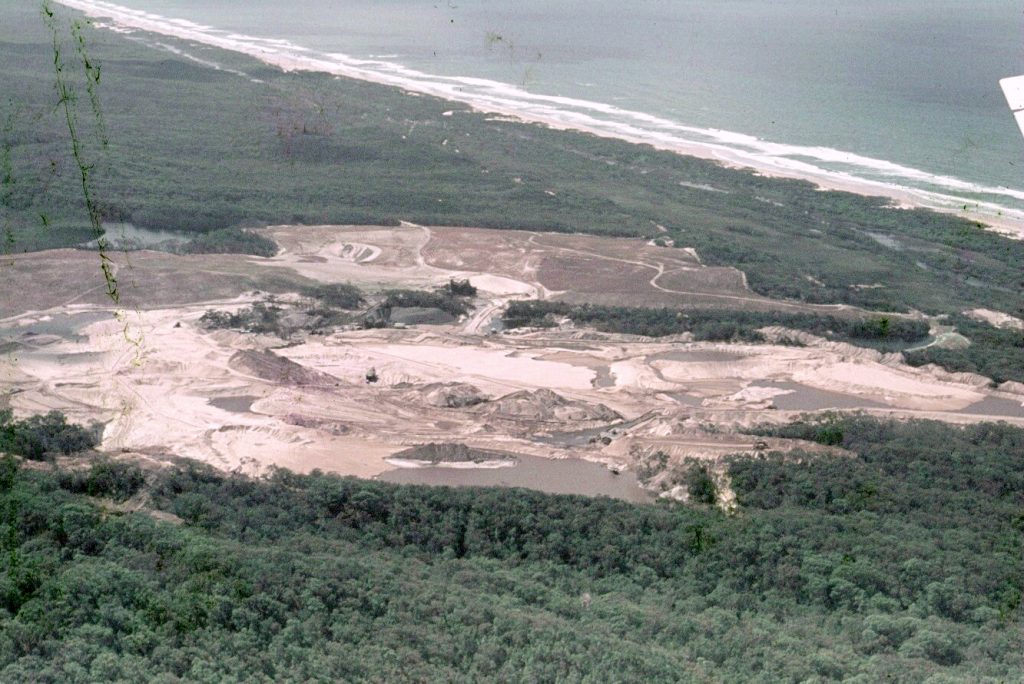
The story of Australian sand mining spans over more than a century, beginning not with industry, but with the pursuit of gold. In the late 1800s, small groups of miners panned the black beach sands along Australia’s east coast, from Bermagui in New South Wales to Fraser Island in Queensland, searching for a few shimmering specks.
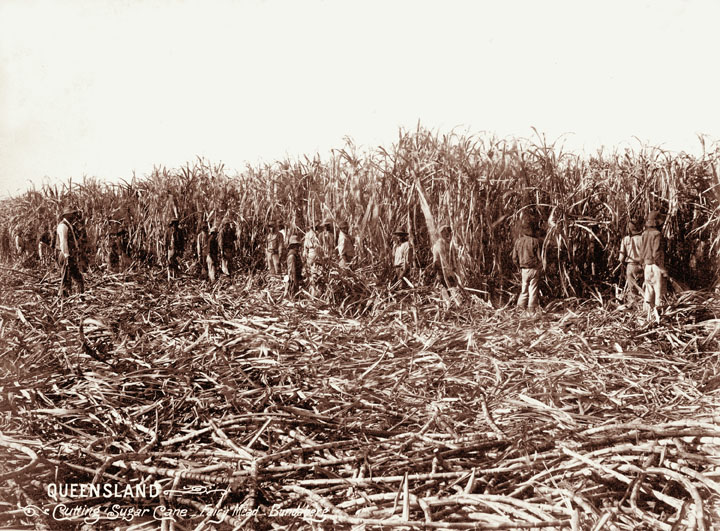
This is a story about how sugar transformed a riverside settlement into one of Queensland’s most prosperous regional centres.
Pioneering the Burnett
When surveyor John Charlton Thompson first mapped out Bundaberg in the early 1870s, few could have imagined that the small settlement on the Burnett River would eventually become the beating heart of one of Queensland’s most renowned agricultural industries.
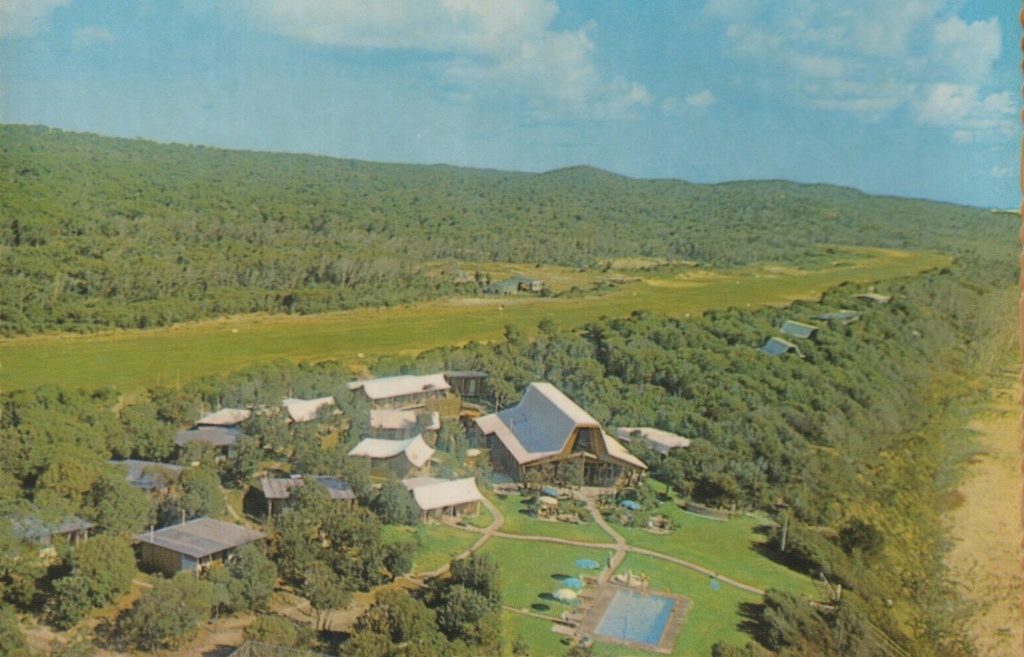
Sir Reginald Barnewall was a man of the air long before he ever set eyes on Fraser Island. He was born into a wealthy Victorian grazing family whose history went back to the Norman conquest. A baronet, he carried himself with the confidence of privilege but also with the restless ambition of a man who wanted more than land and cattle.
For many Australians of a certain age, the magic of Christmas wasn’t just about the excitement of presents under the tree or the smell of a roast wafting through the kitchen. It also meant the annual arrival of Christmas beetles.
Their abundance meant they quickly became ingrained in our cultural psyche.
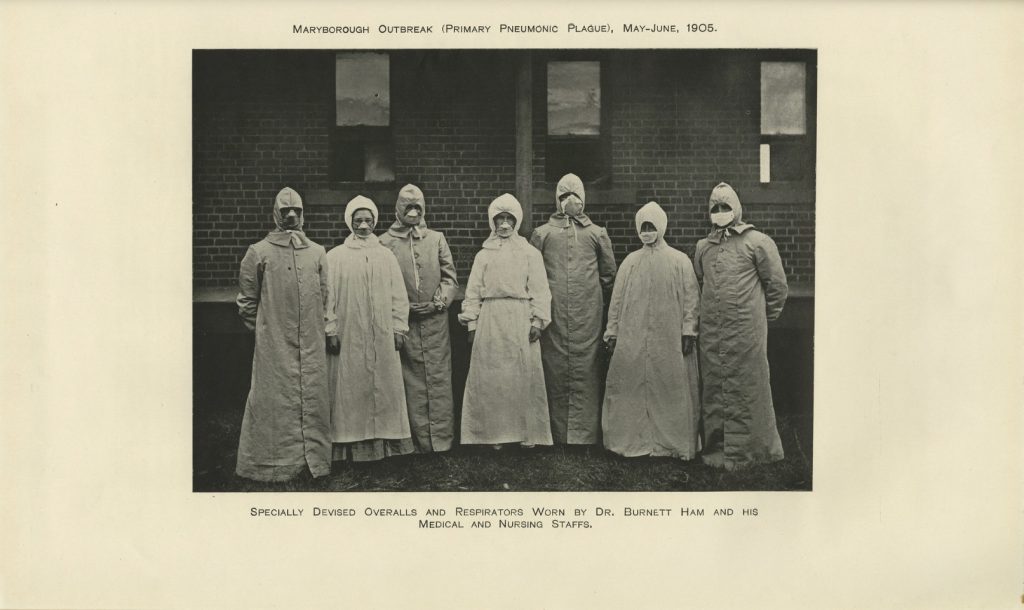
On a damp May night in 1905, the O’Connell children coughed and wheezed in their cramped weatherboard cottage at the corner of Sussex and Pallas Streets, Maryborough. Their neighbour, Mrs Letetia Edwards, heard the rasping sounds through the thin walls and crossed the street to help.
Life on Fraser Island was very isolated and lonely before access improved with combustion engines, regular flights, and ferries to transport cars and trucks. Communication was only by boat, telephone, radio, and aeroplane. In the case of accidents, help was six hours away by boat in Maryborough.
The age of telegraphy
The first breakthroughs in communication came with the spread of telegraph technology.
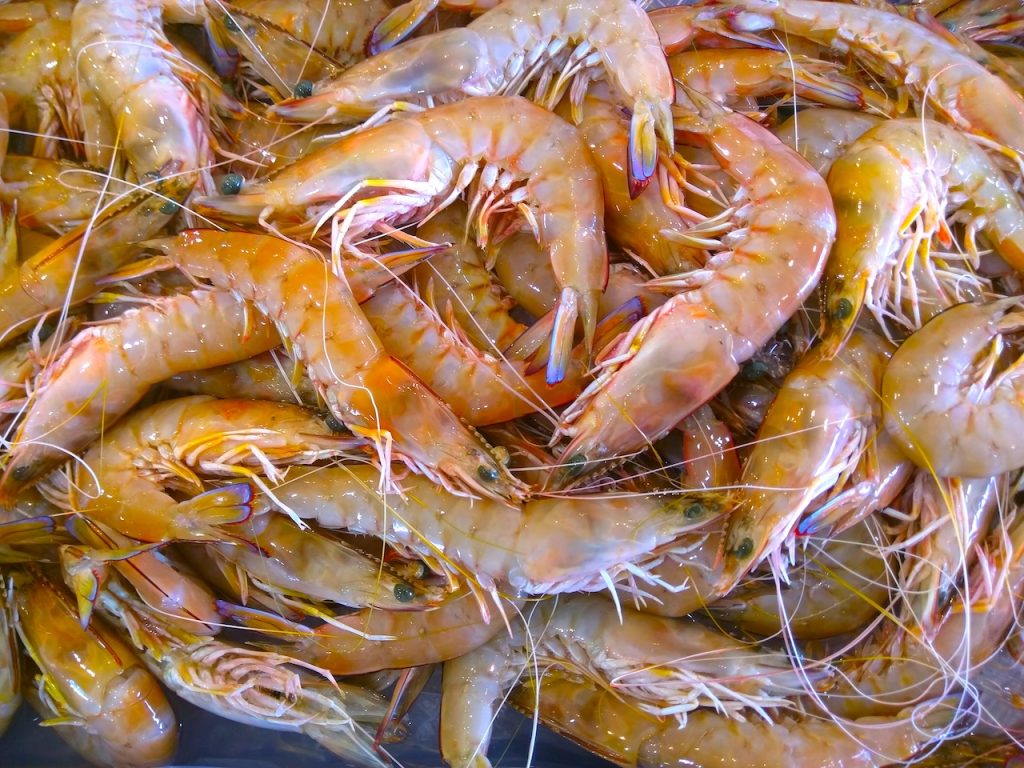
Some say Australia runs on prawns, and during our travels around Australia, I saw a hint of truth to that statement.
The prawn has come a long way from humble beginnings in the shallow waters of Sydney Cove to vast aquaculture farms in Shark Bay and bustling trawler fleets off Karumba.
Timber is one of nature’s most versatile and enduring materials, offering numerous applications unmatched by any other construction substance. From structural beams and posts to decorative wall cladding, ceiling linings, furniture, joinery, and expansive decking, timber’s indoor and outdoor possibilities are endless. Beyond its structural strength, timber transforms living spaces with its warmth, texture, and depth, creating a natural sensory connection that manufactured materials cannot replicate.