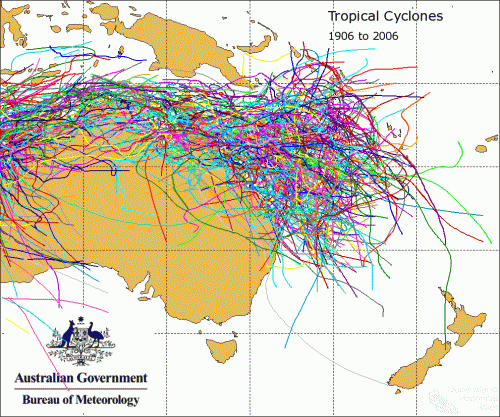
Many Australians see tropical cyclones as a northern phenomenon — storms that belong to Cairns, Townsville, or the Kimberley. Yet, the Fraser Coast, stretching from Fraser Island through Hervey Bay to Maryborough, has long been within their path. Cyclones are not uncommon visitors here. In fact, they have shaped our coast, forests and local stories.
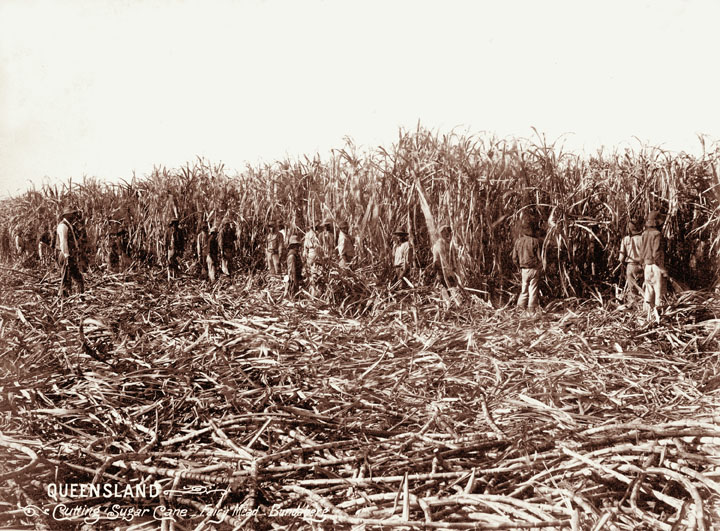
This is a story about how sugar transformed a riverside settlement into one of Queensland’s most prosperous regional centres.
Pioneering the Burnett
When surveyor John Charlton Thompson first mapped out Bundaberg in the early 1870s, few could have imagined that the small settlement on the Burnett River would eventually become the beating heart of one of Queensland’s most renowned agricultural industries.
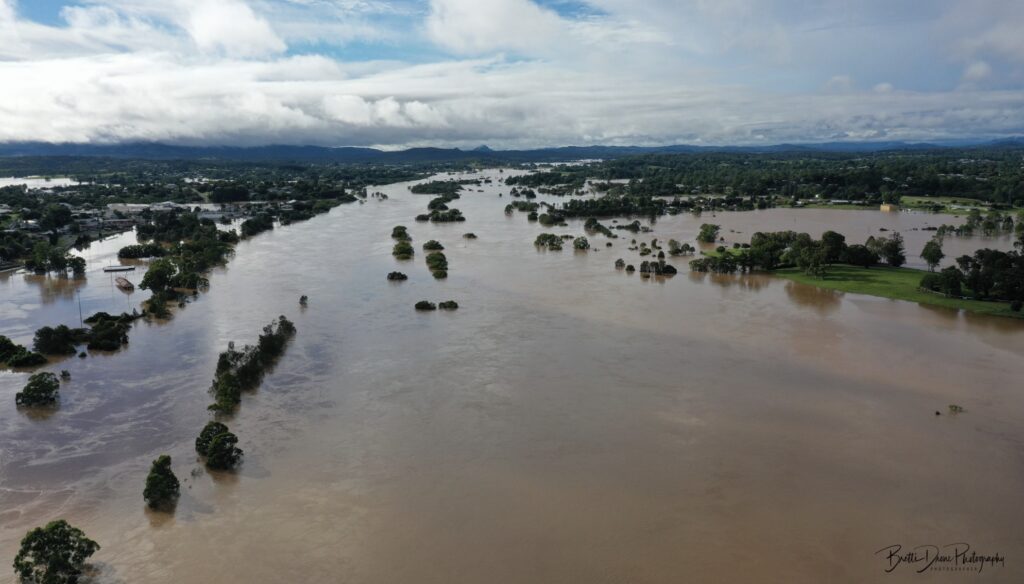
At 9.00 pm that night, it came bucketing down nonstop. It was so loud that it was hard to hear anything. By 11.00 pm, I thought it was pointless to go to bed and looked outside to check this downpour, with thunder rumbling and lightning flashing around us.
A resident describing conditions in Gympie on Friday night, 25 February 2022.
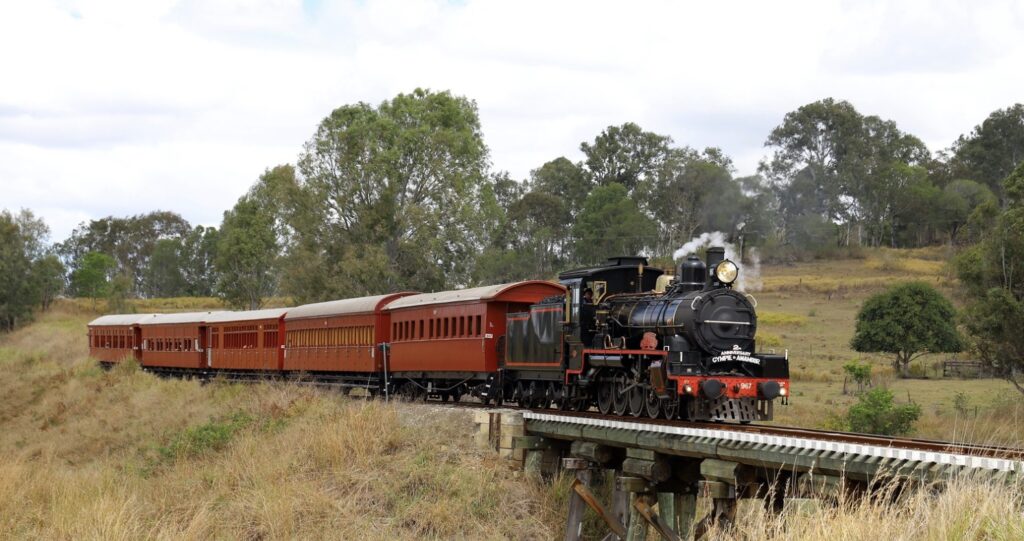
As settlers moved into the rich, fertile areas of the Mary Valley in the 1860s, they wanted a railway to connect them more readily to the outside world and markets for their produce.
The government ignored their early calls, but all that changed when prospectors discovered gold at nearby Gympie in 1867.
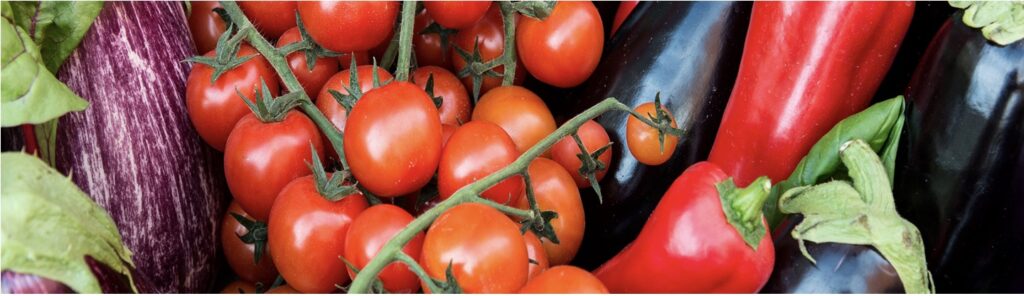
If you have driven around the patchwork of fertile red volcanic soils east of Bundaberg, you would have noticed several paddocks of fruit and vegetable crops, in addition to the vast cane fields. Bundaberg is best known for its sugar cane and rum. However, these days, the region is a true fruit and salad bowl area feeding the nation.
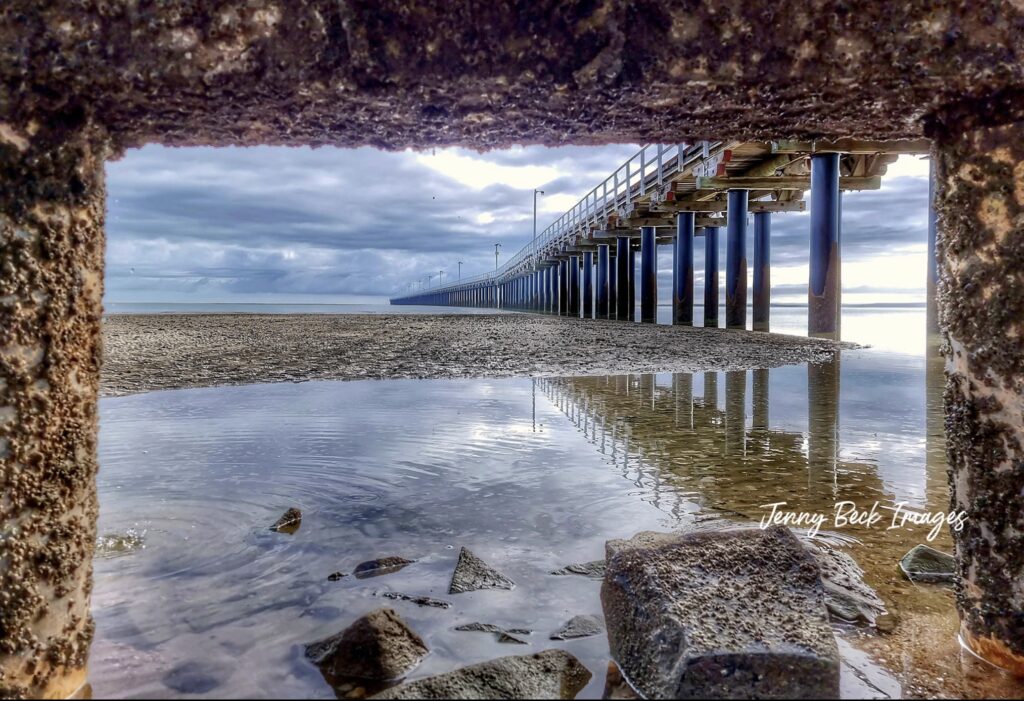
The port of Maryborough on the Mary River was significant, not only for the development of Maryborough itself but also for trade in south-east Queensland. It exported gold, hides, tallow, refined and raw sugar, rum, antimony and timber. Also, after the separation of the colony from New South Wales in 1859, Maryborough was declared a port of entry and necessitated the collection of customs on behalf of the government.
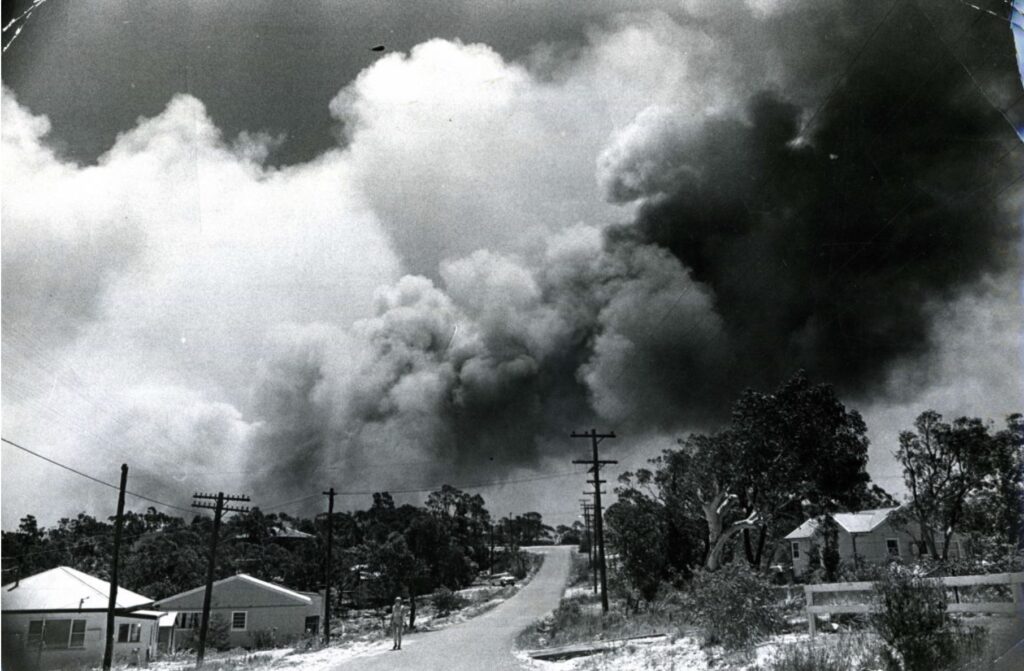
This month marks the 55th anniversary of the worst fires experienced in the Bellinger Valley since European settlement. The late spring and early summer of 1968 was one of the worst fire seasons experienced in New South Wales. Spring was exceptionally dry in coastal areas, with Sydney only receiving 29.5 mm for the season, easily the driest on record.