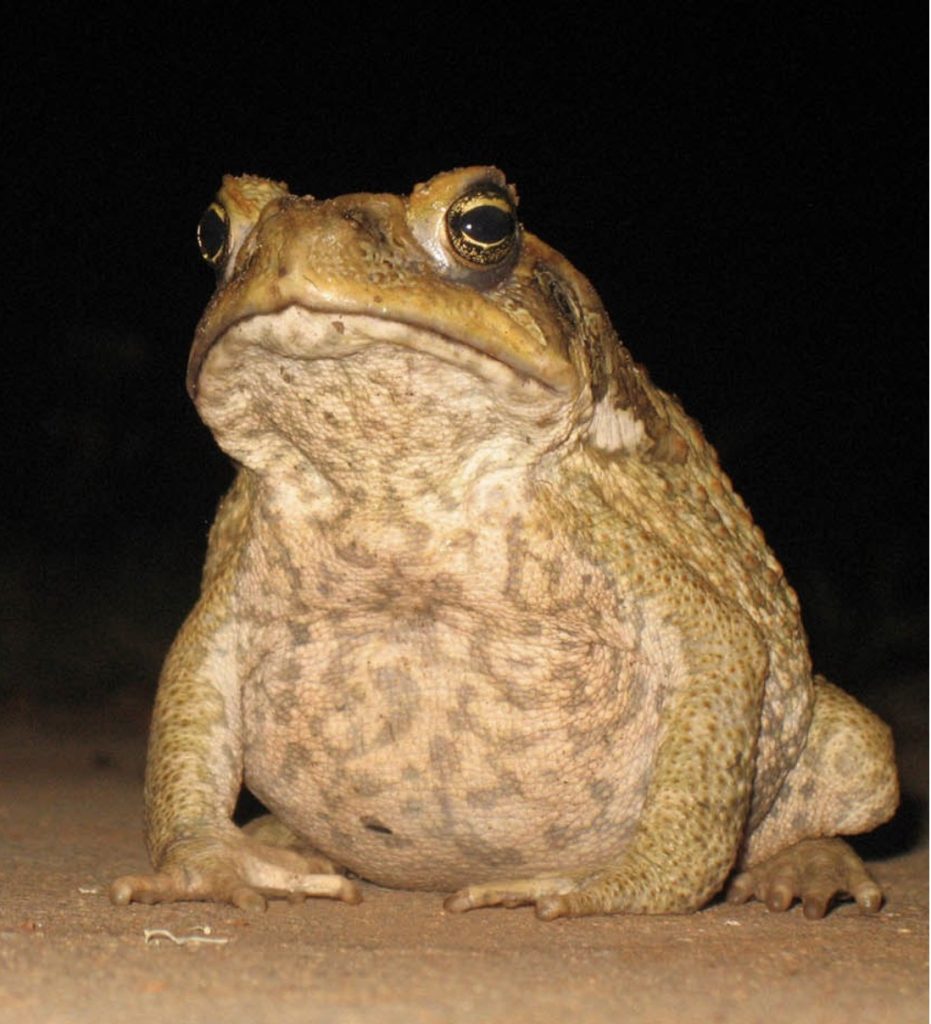
Ninety years ago this month, Australia embarked on an ambitious but ultimately ill-fated experiment in biological control.
In 1935, Queensland sugar cane farmers faced a relentless enemy—the cane beetle. These voracious insects burrowed into sugarcane roots, devastating crops and threatening an industry vital to the nation’s economy. Desperate for a solution, scientists at the Bureau of Sugar Experiment Stations (BSES) looked to overseas biological control methods for inspiration.
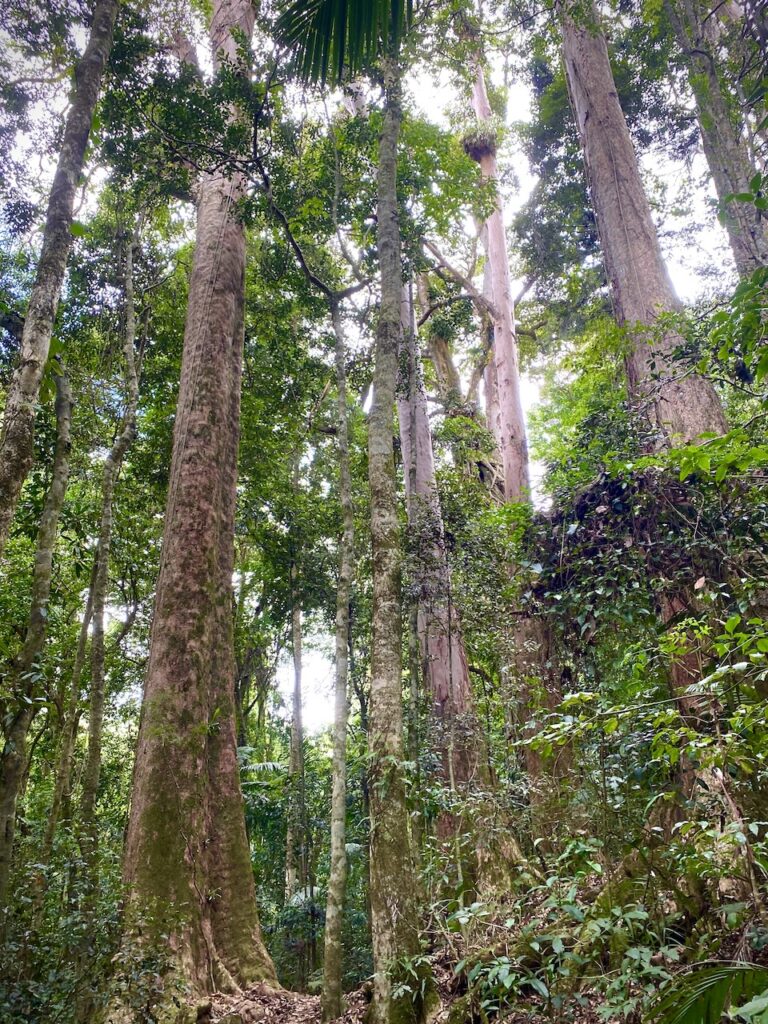
Queensland’s national parks are a testament to the foresight and dedication of its early foresters. What set forest management apart in Queensland from the other states was the role of foresters in managing national parks. While their counterparts in other states focused primarily on timber and the sustainable utilisation of the timber resource, Queensland’s foresters were pioneers in balancing conservation with economic interests.
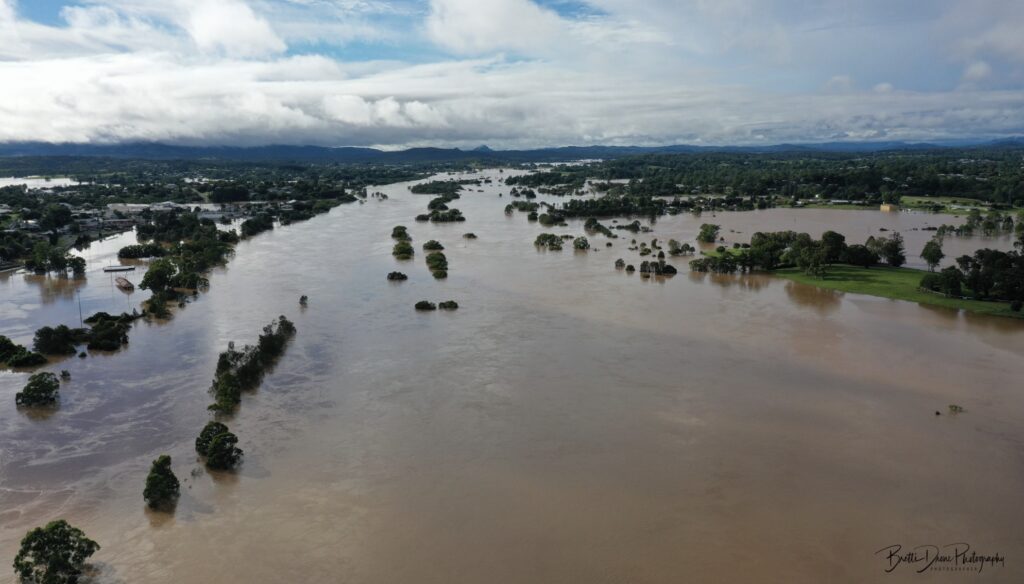
At 9.00 pm that night, it came bucketing down nonstop. It was so loud that it was hard to hear anything. By 11.00 pm, I thought it was pointless to go to bed and looked outside to check this downpour, with thunder rumbling and lightning flashing around us.
A resident describing conditions in Gympie on Friday night, 25 February 2022.
Growing up in Australia in the 1970s, I spent countless hours playing backyard cricket during those balmy summer evenings. Despite my love for the game, I never excelled, oscillating between dreams of being a superb bowler or a top-order batsman, yet failing to master either. My lack of skills was evident as I was always the 11th-picked player on our school cricket team, batting last and rarely bowling.
It began as a deep distant rumbling, like the stirring of some gargantuan subterranean beast.
It was unsettling at first, ominous, something you felt in your guts more than you heard with your ears, an eerie subsonic vibration that seemed to rise from the bowels of Hades.
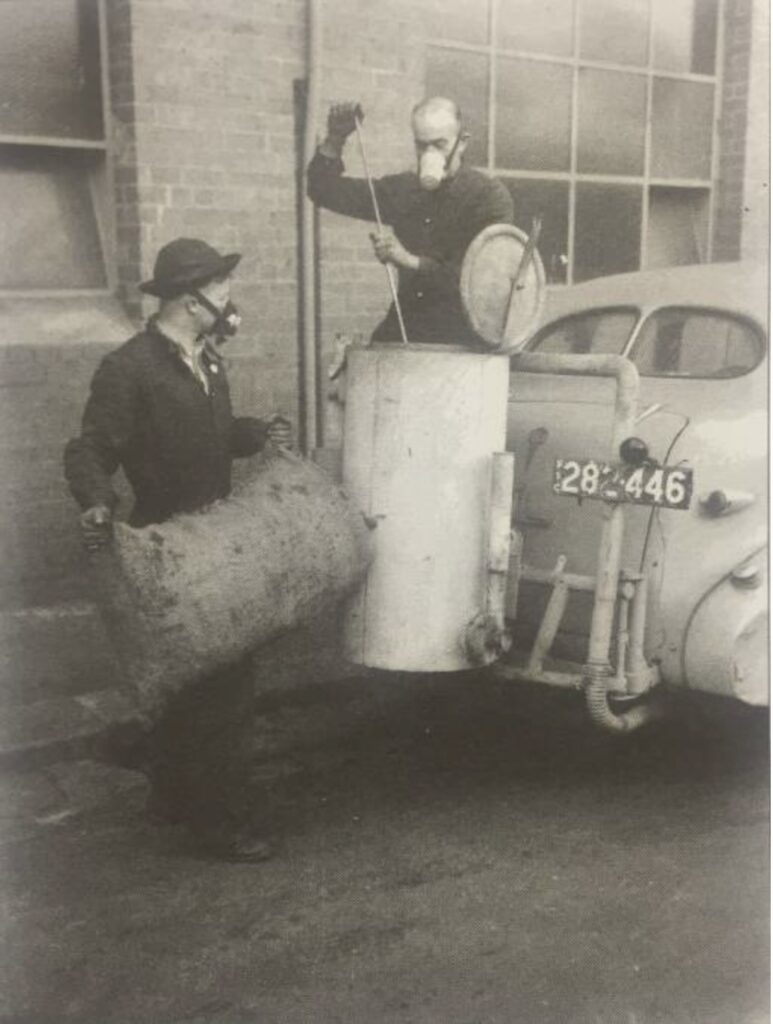
At the start of WWII, Australia was unprepared for a prolonged conflict, processing just enough petrol reserves for three months and limited storage capacity.
Though fuel rationing wasn’t immediately imposed, the government urged citizens to conserve petrol, hoping to avoid drastic measures.
While the motor industry strongly petitioned against any fuel rationing, by 1 October 1940, however, fuel rationing became a necessity.
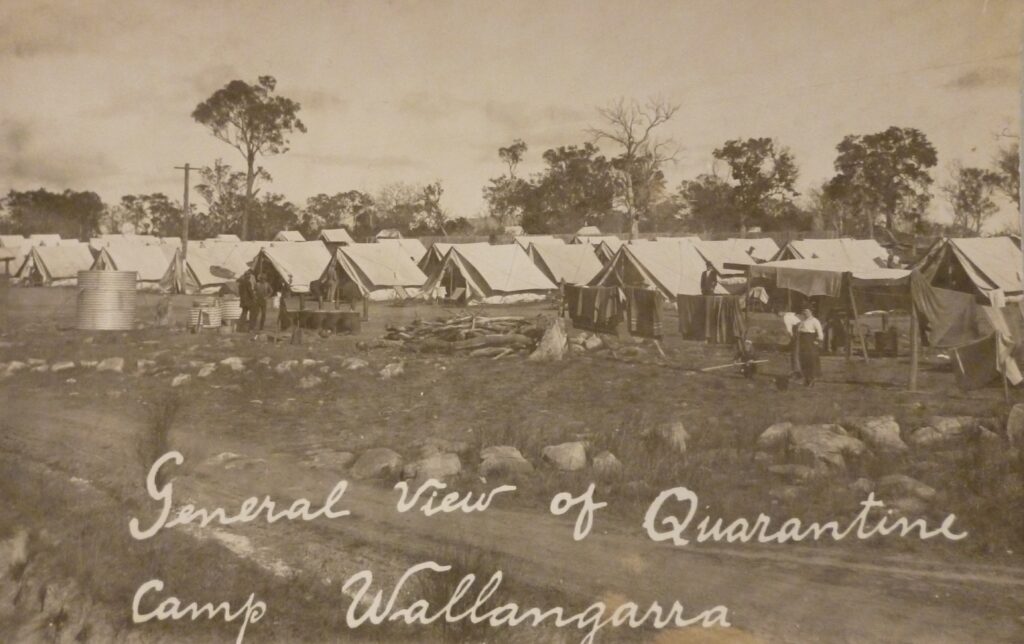
When the railways of Queensland and New South Wales met in 1888, the border towns of Wallangarra and Jennings were created. It was the only rail link between Brisbane and Sydney, leading to a new era in transport. As a consequence, both states introduced the Intercolonial Express train service.
However, the two governments could not resolve the differences in the railway gauges between each state.
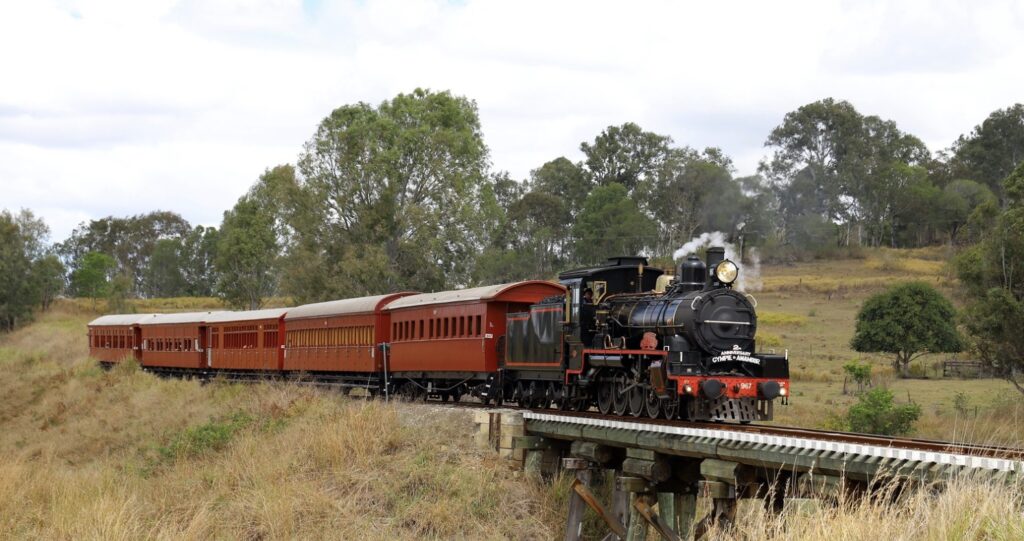
As settlers moved into the rich, fertile areas of the Mary Valley in the 1860s, they wanted a railway to connect them more readily to the outside world and markets for their produce.
The government ignored their early calls, but all that changed when prospectors discovered gold at nearby Gympie in 1867.
Unfortunately, conjecture based on limited facts has produced “research” trumpeting catastrophic fears of extinction. Jim Steele
Introduction
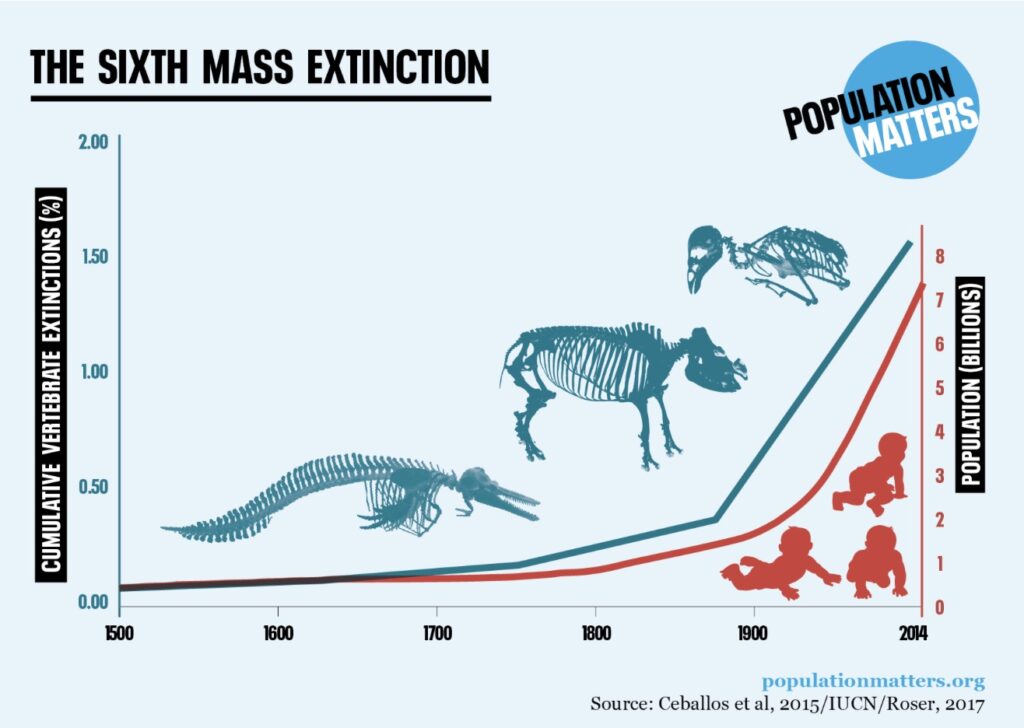
Our planet now faces a global extinction crisis never witnessed by humankind. Scientists predict that more than 1 million species are on track for extinction in the coming decades.
As the world commemorates another Endangered Species Day, you will undoubtedly read or hear claims like the above.
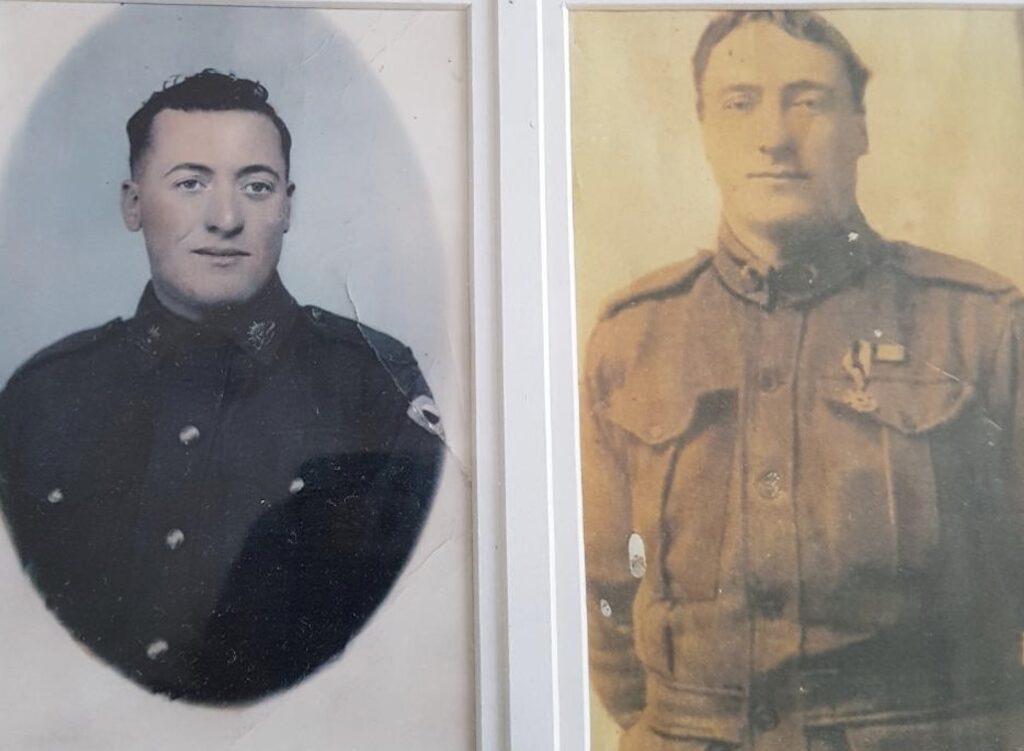
I have decided to write this blog to commemorate and remember the men from settlements in and around Surrey Hills who fought in wars.
In Chapter 10 of my book, “Fires, Farms and Forests”, I outlined some of the war service by men from Guildford Junction. This blog goes into more detail and includes stories about men from Parrawe and Bulgobac.