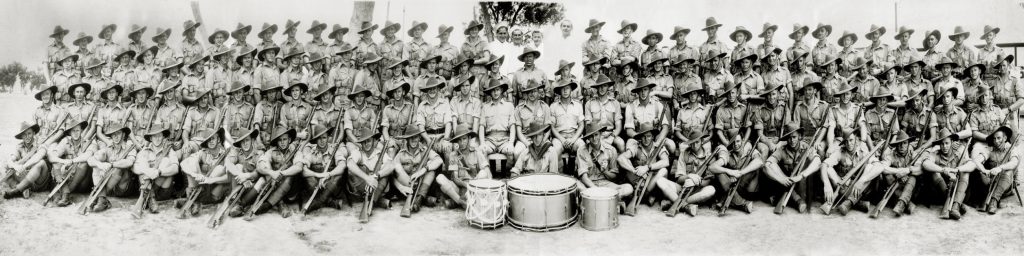
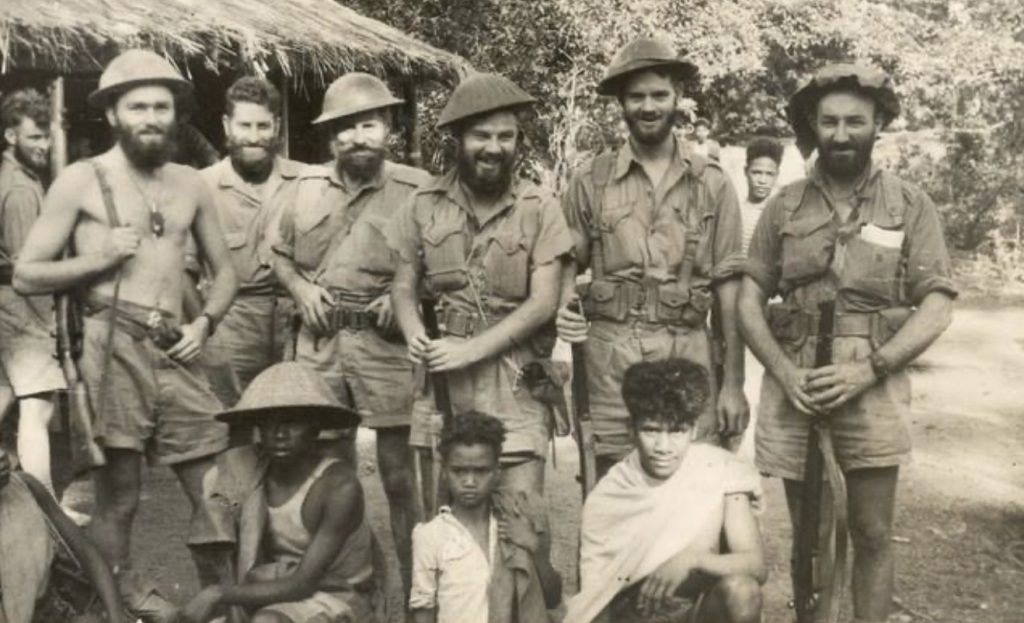
Two years ago, I wrote about Lark Force at Rabaul and how a small Australian garrison, sent forward on a strategic idea that no longer made sense, was quickly overwhelmed when the Japanese attacked. That story didn’t end on the battlefield but at sea, with the sinking of the Montevideo Maru and the loss of over a thousand Australian prisoners of war and civilians, whose fates went almost unnoticed at the time.
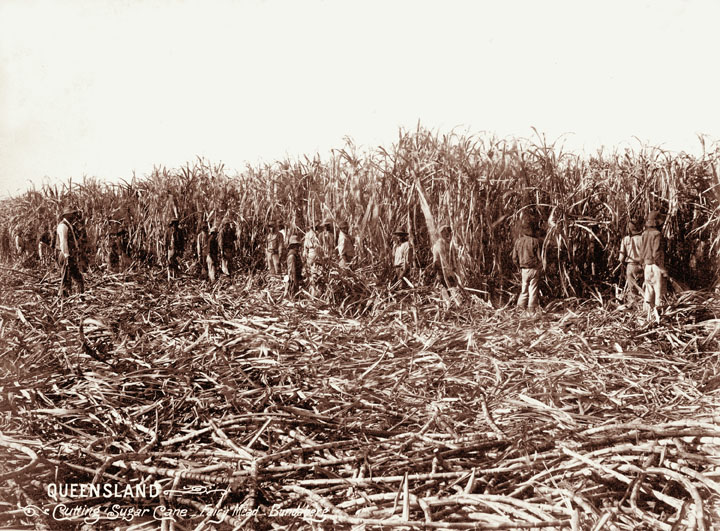
This is a story about how sugar transformed a riverside settlement into one of Queensland’s most prosperous regional centres.
Pioneering the Burnett
When surveyor John Charlton Thompson first mapped out Bundaberg in the early 1870s, few could have imagined that the small settlement on the Burnett River would eventually become the beating heart of one of Queensland’s most renowned agricultural industries.
For many Australians of a certain age, the magic of Christmas wasn’t just about the excitement of presents under the tree or the smell of a roast wafting through the kitchen. It also meant the annual arrival of Christmas beetles.
Their abundance meant they quickly became ingrained in our cultural psyche.
Another Spring Carnival in Melbourne has come and gone. I wasn’t born a racing man. While I went to school with guys steeped in the Sydney scene at Royal Randwick Racecourse, I was never hooked. I have a couple of mates in Hervey Bay, Dave from “the Shire” in Sydney and Macca from Alice Springs.
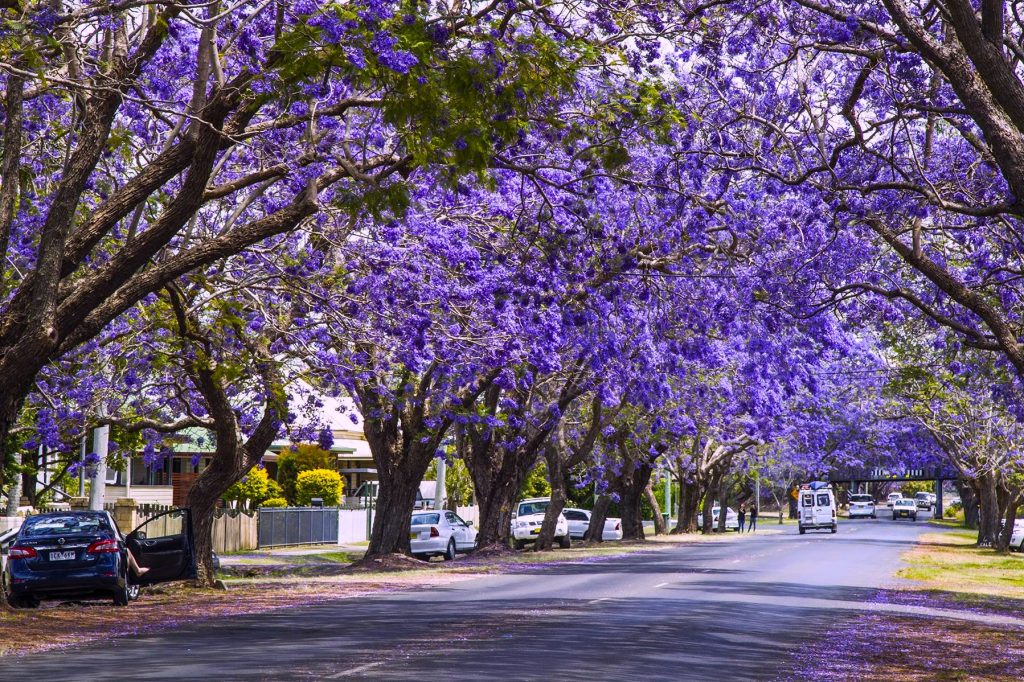
Streets with trees come to hold a cherished place in the hearts and minds of those living with them … recollections of growth from seedling to maturity, of gracious light and shade, brilliant young green of spring-time, dignified shade in the heat of the day.
W. B. Bailey-Tart
Every spring, as October fades and the heat of the coming summer begins to crackle in the air, something magical unfurls across parts of Australia.
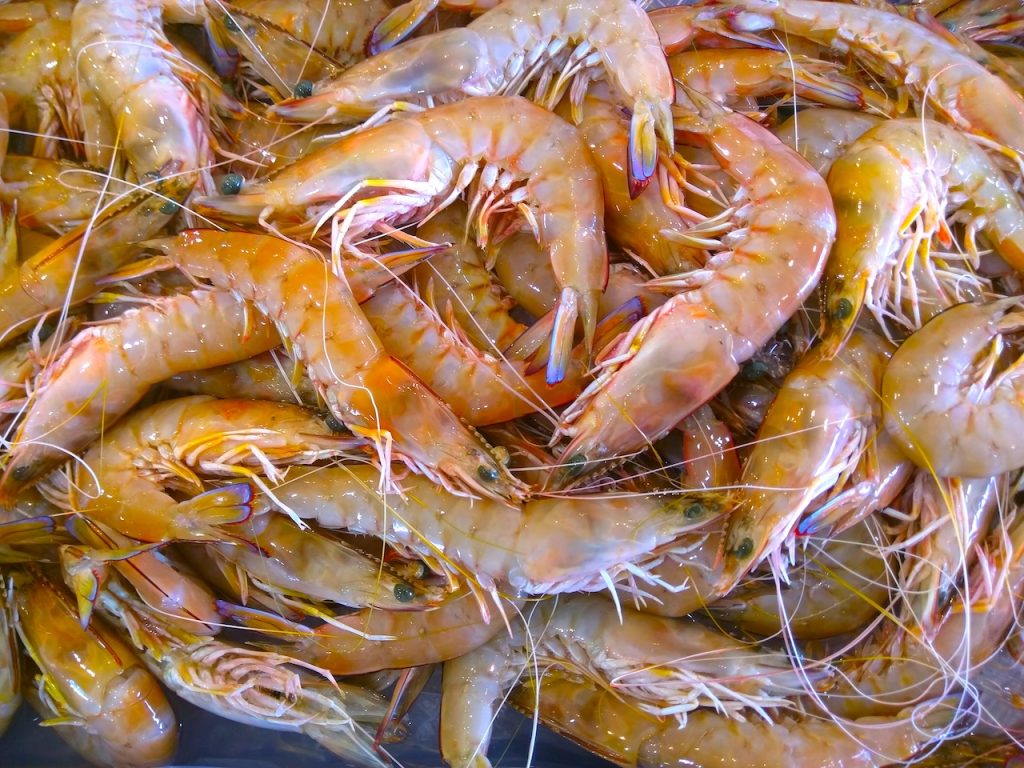
Some say Australia runs on prawns, and during our travels around Australia, I saw a hint of truth to that statement.
The prawn has come a long way from humble beginnings in the shallow waters of Sydney Cove to vast aquaculture farms in Shark Bay and bustling trawler fleets off Karumba.
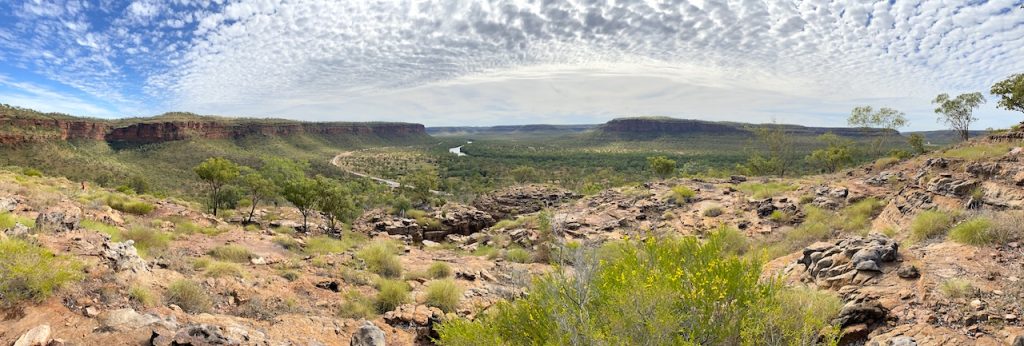
While visiting the Victoria River region in northern Australia, it felt like stepping back in time. The land seemed as wild and untamed as when Augustus Charles Gregory and his men arrived 170 years ago. I set off toward their historic base camp, eager to be a part of where history unfolded.
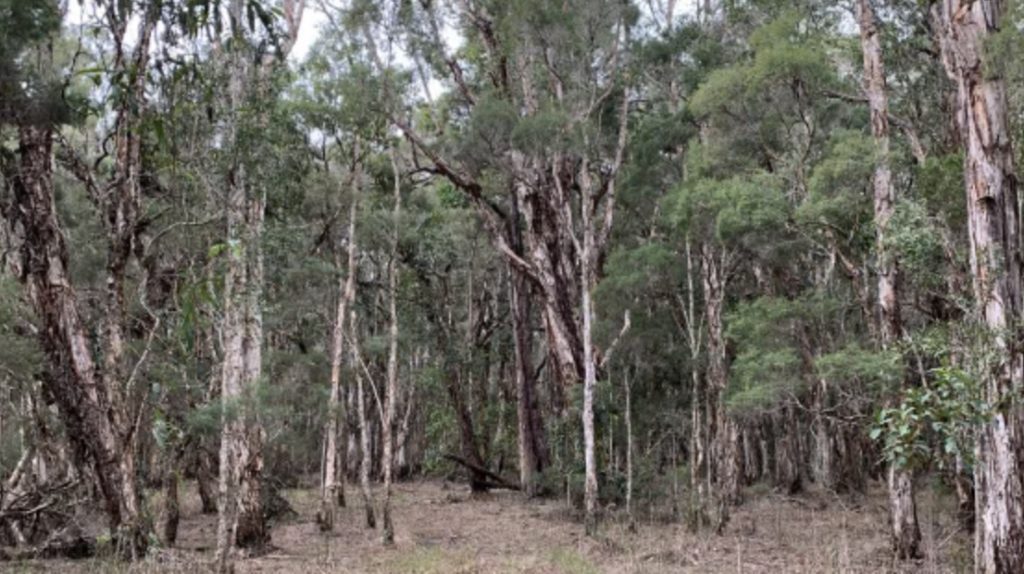
This story explores the transformation of the humble Australian tea tree (Melaleuca spp.), which thrives in swampy areas, into an essential oil and other various health care products sold globally.
The burgeoning tea tree industry began in a remote, swampy area of the Richmond River Valley district in northern New South Wales.
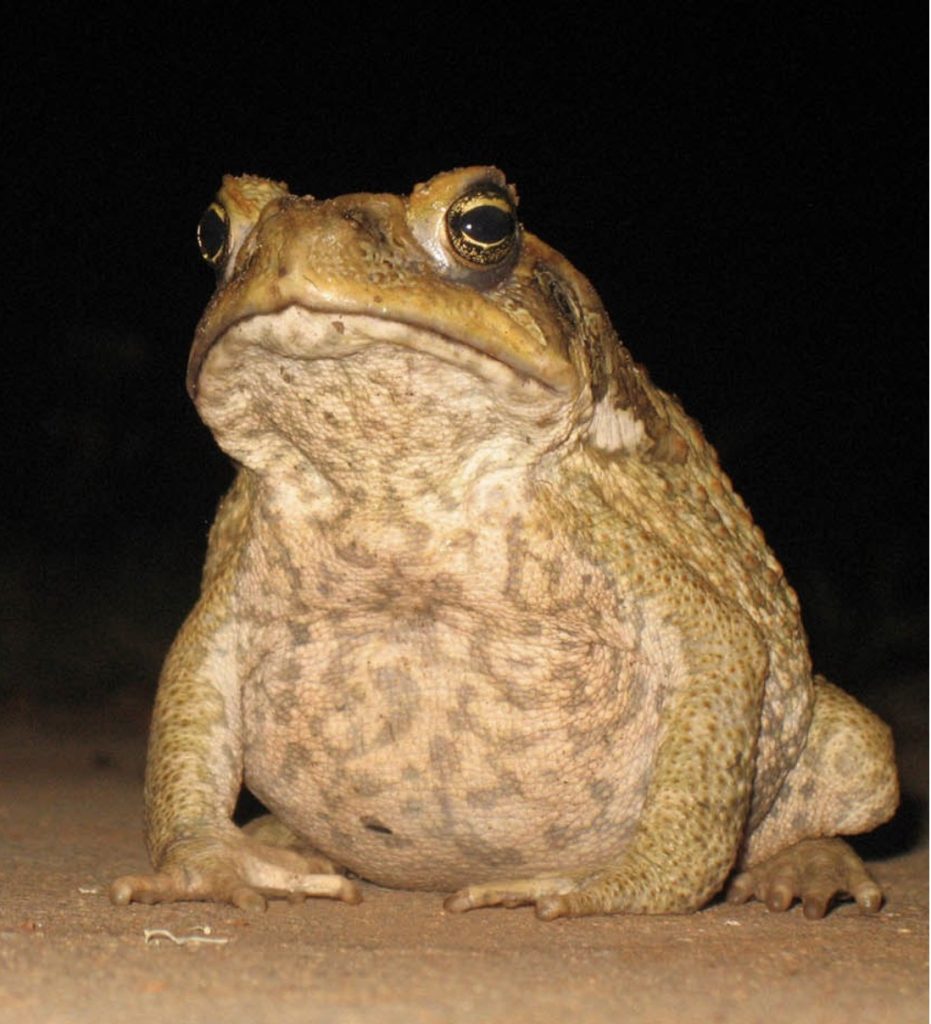
Ninety years ago this month, Australia embarked on an ambitious but ultimately ill-fated experiment in biological control.
In 1935, Queensland sugar cane farmers faced a relentless enemy—the cane beetle. These voracious insects burrowed into sugarcane roots, devastating crops and threatening an industry vital to the nation’s economy. Desperate for a solution, scientists at the Bureau of Sugar Experiment Stations (BSES) looked to overseas biological control methods for inspiration.