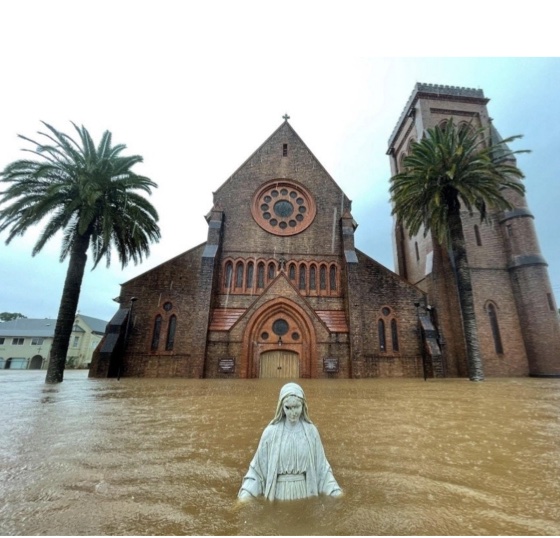
Another emergency disaster failure – the 2022 New South Wales floods in Northern NSW
Another emergency disaster failure – the 2022 New South Wales floods in Northern NSW Read More »
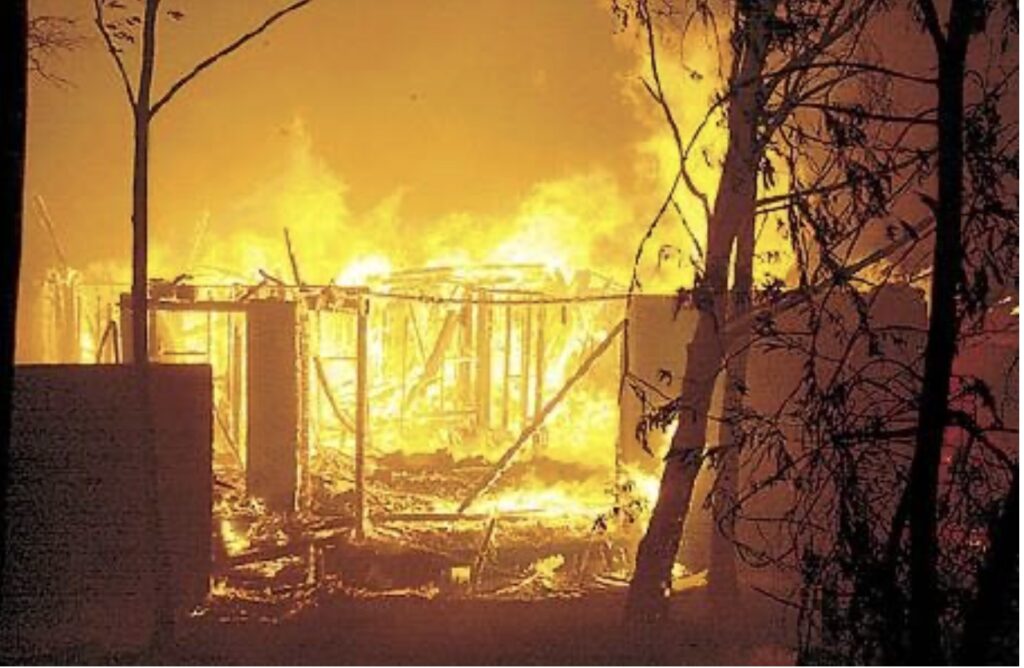
“If you do not graze and/or burn the country, it will turn into scrub. It will turn into a time bomb and one day it will explode”. Vic Jurskis.
“Burning small patches higgledy‐piggledy every 10 years or so doesn’t have much effect on wildfires”. Submission to the Wambelong fire
Introduction
My June 2022 forestry blog provided a case study into the current mismanagement of forest fuels in the Western Australian karri forests and last month’s blog was a case study of the disastrous 2003 Canberra firestorm.… Read more
A case study in folly #3 – the 2013 Wambelong fire Read More »
Because the forestry profession is far from simple and the work highly variable, I have tried to describe what a forester does by outlining the development of the profession in Australia. In Part 1, I outlined the broad principles of forestry and the development of the forestry profession up until WWII.… Read more
What does a forester do? (Part 2) Read More »
“But there is a sad symbolism in the tragedy of the burning bush capital, for Canberra was not merely sited in the political middle ground between Sydney and Melbourne but in an environmental middle ground between two Australia’s: that of the bush and that of the metropolis. When slammed together, the matter and anti-matter of Australian ecology are likely to explode.… Read more
A case study in folly #2 – the 2003 Canberra firestorm Read More »
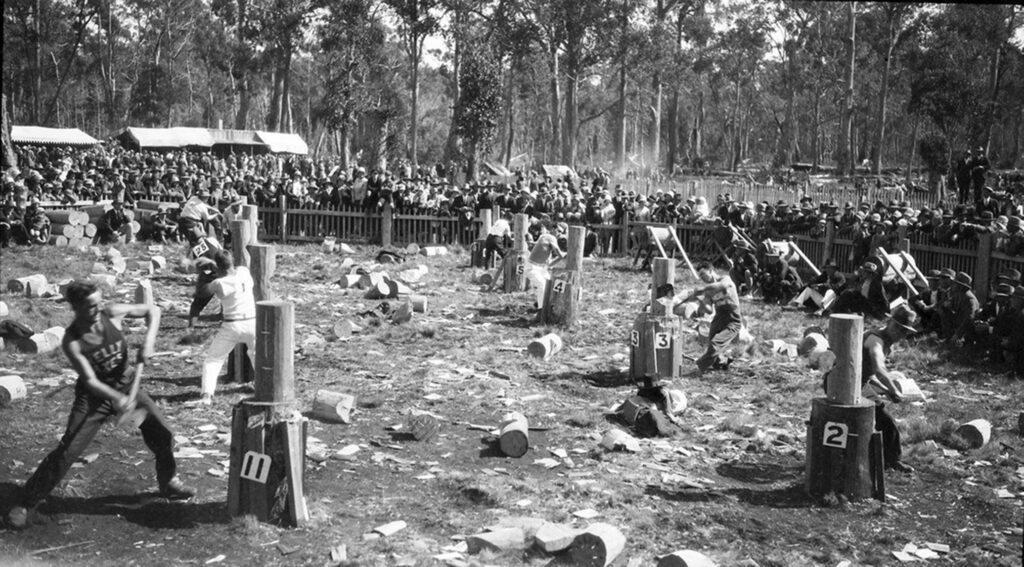
While working in Tasmania in the forest industry, I met many people who had competed, or were still competing, in woodchopping events. It is a popular sport, and many chopped competitively as a hobby. It originated in Tasmania and it has produced a lot of world champion axemen, so it was no surprise that many in the state competed regularly.… Read more
Origins of woodchopping as a sport Read More »
Introduction
The first Federal battalion of Australian soldiers sailed to South Africa in 1901 to fight the Boer War. They joined colonial troops already serving there. One of the lessons learnt by the Commonwealth forces during that campaign was the need to develop an armament that was a happy medium between a long rifle and a carbine.… Read more
Rifles, rainforests and rhetorical exuberance Read More »
Esperance is a vibrant coastal town. It has a temperate climate and rainfall, which produces a reliable growing season of between five and eight months each year. Despite the favourable environment, Esperance had little permanent settlement before 1950. This was mainly due to soil deficiencies on the sandplains that surrounded the town.… Read more
Converting the sandy wastelands Read More »
Tho’ it ain’t a life o’ pleasure, An’ there’s little time for leisure, It’s contentin’, in a measure, is the game of growin’ Wheat.
C. J. Dennis ‘Wheat’ 1918
Introduction
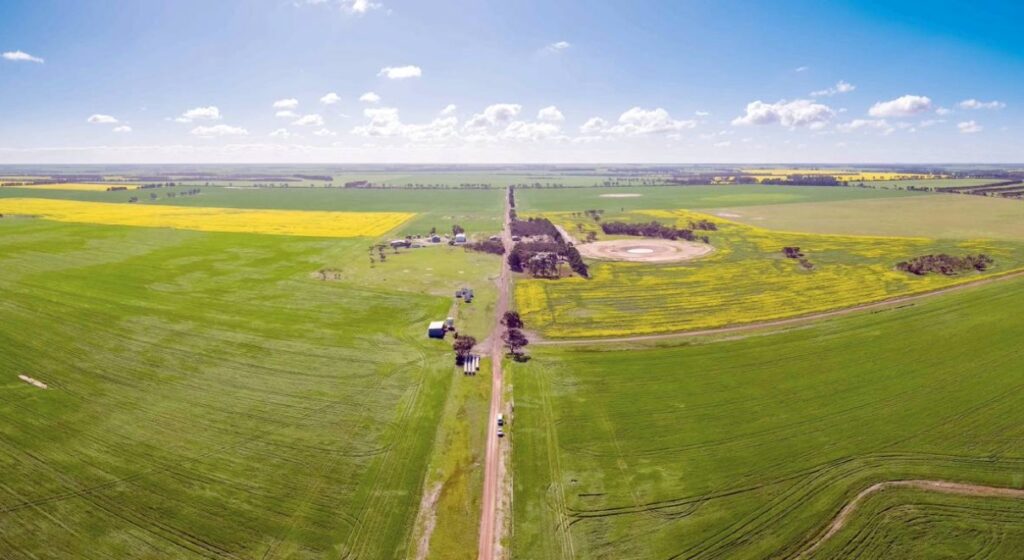
The Wheatbelt region in southern Western Australia extends across a large area as a crescent and is one of the few major agricultural regions in the world viewed from space.… Read more
Squeezing yield from rain – the Wheatbelt story Read More »
There is an interesting 4,000-hectare forestry reserve located just outside Esperance called the Helms Forestry Reserve. It protects one of the largest areas of sandplain heath near Esperance, known as kwongan. It is dominated by banksias, hakeas, grevilleas and woollybush.
Within this reserve is an 800-hectare arboretum named in honour of Andy Helms, a well-respected forester and academic.… Read more
Introduction
Sandalwood is a highly aromatic timber that has been harvested in Asia over centuries for many uses. The main one has been burning powder from the tree in joss sticks as incense and forms a significant part of religious ceremonies. In Australia, Aborigines had many cultural uses for sandalwood. Some species can be carved into delicate products such as inlaid boxes, ornaments and incense holders.… Read more