
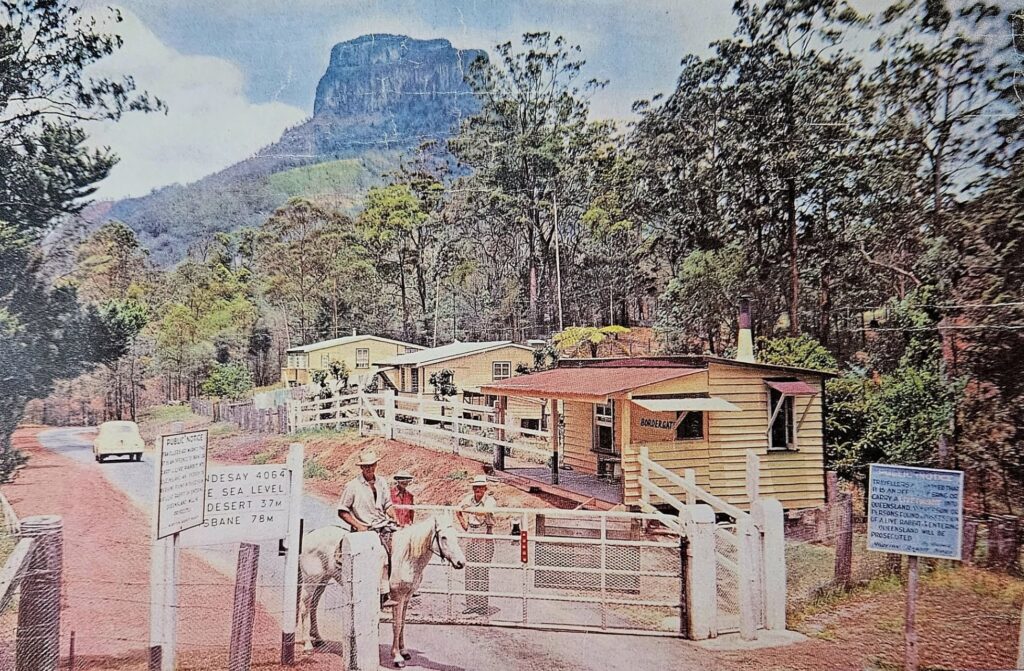
We had been winding our way along the McPherson Range, the road rising and falling through pockets of rainforest and open ridgelines, when we crossed from New South Wales into Queensland almost unnoticed. There was no gate, delay, or uniformed inspector asking questions, just a sign by the roadside and a subtle shift in the feel of the country.
Yet it struck me, as it often does in these places, that this quiet crossing had once been anything but routine. There was a time when you couldn’t pass this way without being stopped, questioned, inspected and if necessary, turned back, not because of customs duties or immigration laws, but because of a parasite.
A line drawn for a tick
The story of the tick fence doesn’t start with a fence at all, but with the slow, almost certain spread of cattle ticks southward along the humid coastal edge of Queensland. By the late 1800s, the pest had begun to reach northern New South Wales, not carried by wind or water, but by cattle moving along stock routes and coastal pastures.
Authorities quickly realised that this was no ordinary pest. The cattle tick carried with it tick fever, a disease capable of devastating herds and causing severe economic losses. Early reports observed a consistent pattern: the tick moved along the coast, where warm, moist conditions promoted its survival, rarely straying far from the seaboard.
New South Wales, recognising both the threat and the opportunity, made a strategic decision. If the tick could be contained geographically, then it could be stopped. And so, instead of chasing the pest, they decided to draw a line.
Building the barrier: the first fence
The first serious attempt to curb the tick was in 1898, when a border fence was built along parts of the Queensland–New South Wales border. It was a rough but determined effort to install stock-proof fencing to stop cattle from crossing the border.
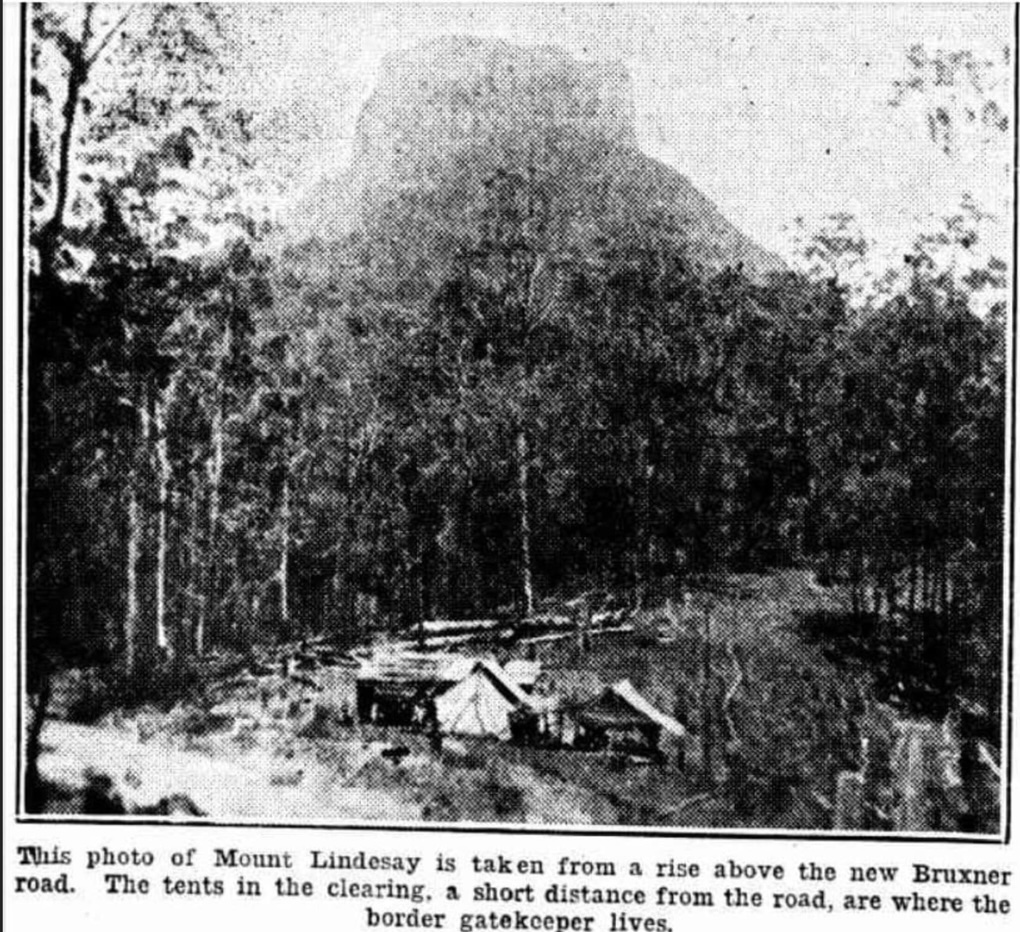
But the fence alone was not enough. The tick did not respect straight lines on a map, and early surveys of the border itself were not always accurate. In fact, the first fence was built along what later proved to be an incorrect alignment, reflecting the imperfect knowledge of the boundary at the time.
By the early 1900s, as the tick continued its spread, reaching areas as far south as Nerang, it became evident that stronger measures were necessary. A second fence was built, creating a buffer zone between the two states — a physical symbol of a growing divide.
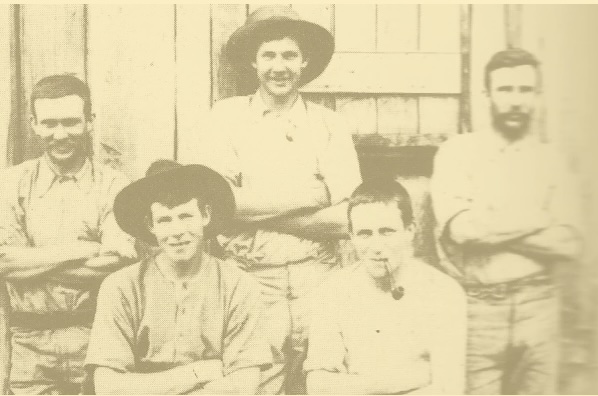
This was no small feat. Over time, the barrier system grew into a network of fencing, inspection points and controlled crossings that stretched for thousands of kilometres, following the border where possible, but also adapting to terrain, climate and stock movement patterns.
Along the McPherson Range and the Richmond Range, the fence took advantage of steep escarpments and dense forest, connecting to natural barriers wherever possible. In flatter areas, it stretched across open land, sometimes for kilometres at a time, linking ridgelines and closing gaps that stock might otherwise exploit.
It was not built in a single campaign, but gradually extended, repaired and reinforced over decades as the realities of the land and the behaviour of the tick became better understood.
The politics of a pest
From the very beginning, the tick fence symbolised both a political and biological boundary.
Queensland, where the tick was endemic, had long accepted its presence as part of the pastoral landscape. New South Wales, by contrast, was determined to keep it out. This fundamental difference in approach created tensions between the two states, especially over responsibility for control measures.
Who, after all, should pay for the fence and its maintenance? Who should enforce the controls associated with it? And who should bear the cost of restricting cattle movements?
In practice, much of the burden fell on New South Wales. The inspection regime, the dipping facilities and the enforcement of quarantine conditions were largely overseen by NSW authorities, whose primary goal was to protect their “clean” status.
Border inspection points, such as those at Tweed Heads, Mount Lindesay and inland crossings like Mungindi, were usually staffed by New South Wales officers, responsible for preventing the entry of infested stock. Queensland’s role was more variable and sometimes less strict, reflecting its status as the “infested” state.
This asymmetry was inevitable, but it also caused frustration. From Queensland’s view, the restrictions enforced by New South Wales could be seen as obstructive, limiting trade and complicating stock movements. From New South Wales’ perspective, any lapse in Queensland’s control measures was regarded as a direct threat.
The fence, in this context, was more than a barrier against ticks. It represented a boundary between two different policy regimes.
Life at the tick gate
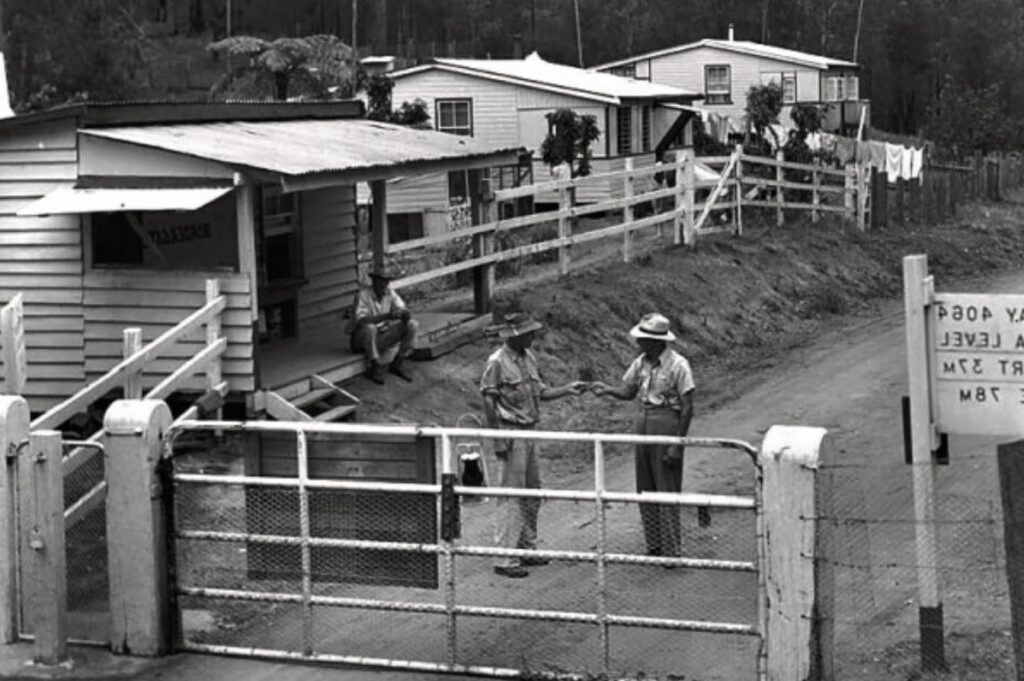
Nowhere was this divide more apparent than at the tick gates themselves.
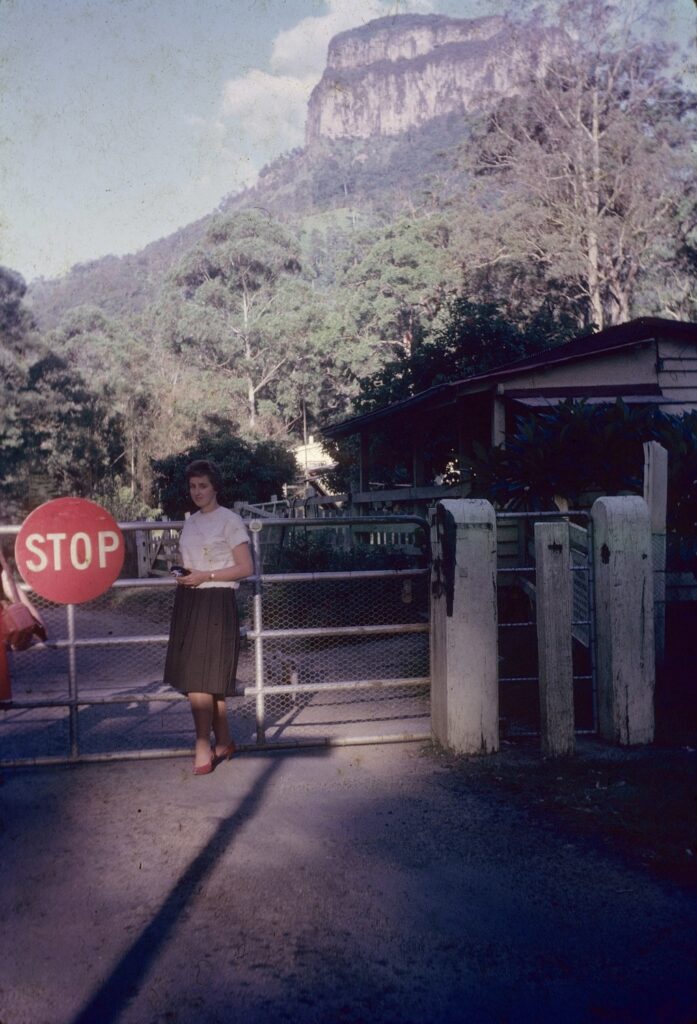
At places like Mount Lindesay and Tweed Heads, the road passed through a controlled checkpoint and crossed a border. Every vehicle was stopped and every load was examined. Inspectors checked boots, opened bags and asked travellers if they were carrying fruit, vegetables, or livestock.
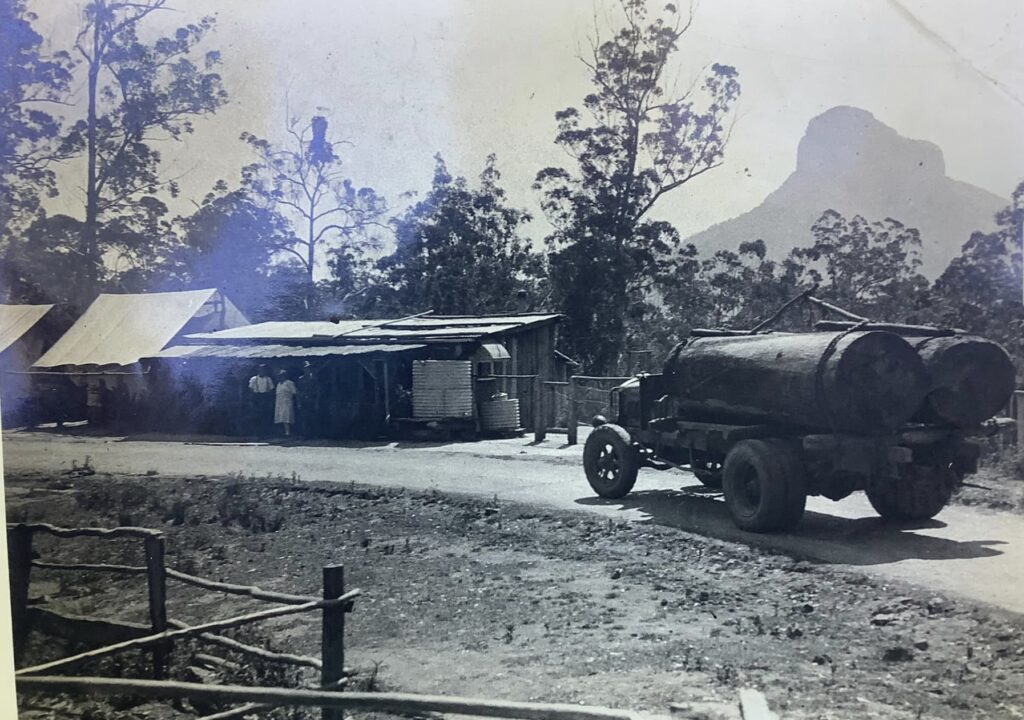
Produce was a particular concern. Fruit fly, banana diseases and other pests were all potential threats, and travellers were required to declare anything they were carrying. As many would recall, the options were simple: eat it, surrender it, or turn back.
For cattle, the process was more involved. Stock moving south into New South Wales had to pass through dipping facilities, where they were immersed in chemical baths designed to kill ticks. These dips, often large structures made of concrete and timber, were operated continuously, especially during peak movement times.
The gates were guarded around the clock. Inspectors lived nearby, often in modest accommodation, and their work was relentless, with long hours, repetitive tasks and constant vigilance.
It was a frontier of a different sort. There were no guns, no clashes in the usual sense, but a clear line of control and unmistakable authority on one side of it.
Geography, climate and control
What made the system effective wasn’t just the fence, but the understanding that supported it.
The tick’s reliance on humid conditions meant that its spread could be predicted, at least generally. It favoured the coastal areas and the eastern slopes of the Great Dividing Range, where rainfall and temperature created ideal conditions. Inland, where the climate was drier, the tick found it harder to survive.
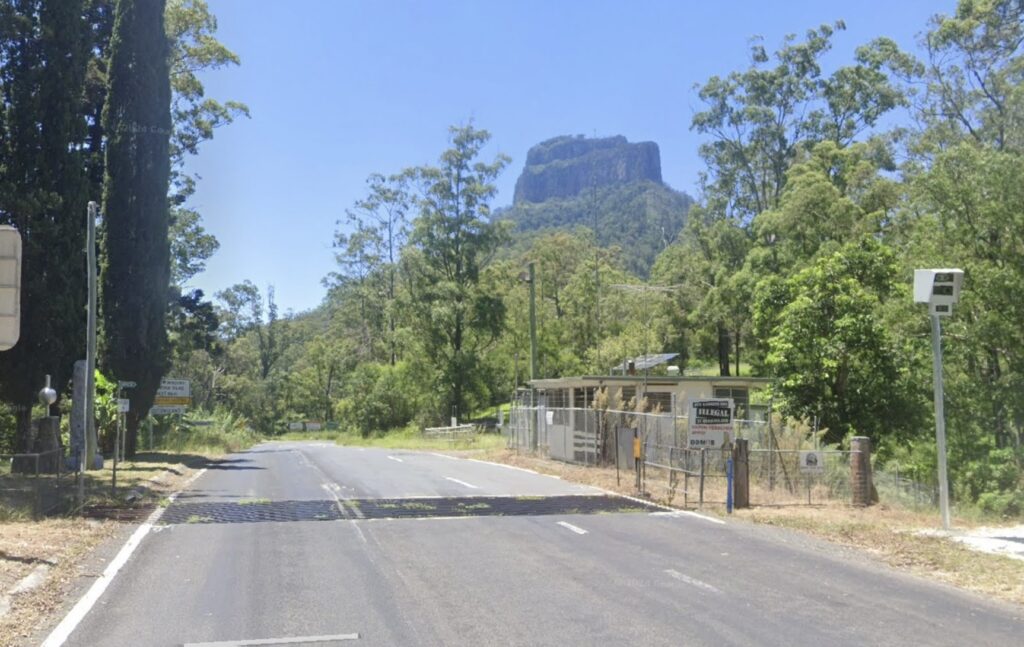
This enabled authorities to direct their efforts along the coastal fringe and the mountain ranges that created a natural corridor for its spread. The McPherson Range, which we had crossed so casually, was one such corridor. It served as both a barrier and a pathway, depending on how it was managed.
By the mid-twentieth century, the tick control system had reached its peak. A network of quarantine zones, mandatory dipping protocols and inspection checkpoints operated throughout northern New South Wales. Hundreds of dips and spray races were built and livestock movements were strictly controlled.
The result was impressive. Despite ongoing pressure from the north, New South Wales maintained its tick-free status, demonstrating that coordinated biosecurity efforts can succeed even against a stubborn, mobile pest.
From the 1960s onwards, however, the system started to change. Advances in chemical treatments, improvements in livestock management and a shift towards producer responsibility lessened the need for strict border controls. By around 1970, many of the tick gates were phased out and the focus shifted from physical barriers to surveillance and targeted eradication.
The fence gradually fell out of use. Today, the legacy of the tick fence remains in the idea of the “tick line”, that regulatory border that still divides Queensland into tick-infested and tick-free zones. Movement restrictions are still in place, requiring livestock entering clean areas to be certified tick-free, and surveillance programs continue to monitor for outbreaks. The physical fence might be gone, but the line it symbolised still exists.
Could it have been done differently?
Looking back, it is hard not to wonder whether a more cooperative, less partisan approach among the states could have created a more efficient and perhaps fairer system.
The tick fence, despite its size and effectiveness, was never truly a joint effort. It was mainly a defensive line built and managed by New South Wales to protect itself from a pest endemic to Queensland. The inspection routines, dipping facilities, and staffing at the border gates were largely guided by New South Wales priorities, and the main concern was overwhelmingly southward, keeping infested cattle out of clean country.
Yet the story was never just about ticks. At the same border crossings, Tweed Heads, Mount Lindesay and others, travellers were also stopped and questioned about fruit, vegetables and other produce. These checks aimed to prevent the spread of pests such as fruit flies and banana diseases. In that sense, the tick gates effectively became quarantine stations for a wider range of agricultural risks, not just cattle tick.
But what of the impacts in Queensland? It is here that the asymmetry becomes clearer. If the infrastructure was primarily established, funded and staffed by New South Wales officers, their primary duty was to enforce New South Wales regulations. While protecting Queensland’s crops was important overall, it was not necessarily their main responsibility. Unless Queensland kept its own presence at these crossings, or had formal cooperative agreements, there was always the question of how strictly those northbound risks were managed.
It highlights a clear point. The fence was built to stop something from moving south. The inspections for produce, on the other hand, focused on things moving north. One was a main priority. The other, at least at first, was more incidental.
Could a truly coordinated, jointly funded and staffed border system, designed to manage risks in both directions, have provided a more balanced outcome? Likely yes. It may have reduced duplication, improved consistency and ensured that both livestock and horticultural industries were equally protected.
But such an arrangement would have needed a level of inter-state cooperation that wasn’t always clear at the time. State borders, even after Federation, still had a strong sense of jurisdictional independence and biosecurity was viewed through that lens.
Without that cooperation, the system developed unevenly. New South Wales built a strong defence against cattle tick and, in doing so, created infrastructure that could be repurposed for other uses, but those extra functions were added afterwards rather than being designed together.
The tick fence, therefore, stands not just as a story of biosecurity success but also as a reminder that solutions are often influenced by politics and jurisdiction as much as by science and necessity.
A quiet crossing
As we kept driving along the range, the significance of that silent border crossing lingered. There is no sign now of the fence, no trace of the gates, no inspectors to stop you and ask what you’re carrying. The road moves on smoothly and the border is barely more than a line on a map.
But for decades, this remained a controlled frontier, where the movement of animals and people was carefully managed in the name of protecting an industry.
It’s a reminder that some of the most crucial battles in this country weren’t fought with guns or laws, but with fences, chemicals and a thorough understanding of the land.
And all because of a tick.
Robert, your essay brings back memories of growing up during the 70s on the upper reaches of the Clarence River, in an active tick area. Of days off school mustering cattle and dipping them, of early mornings catching a horse and letting a dog or two off to drive cattle to the dip yard before the school bus, of dipping sale cattle three times in 21 days in all weathers so they could be crown branded for transport out of the quarantine area in sealed trucks.
The cattle tick created a lot of work, but it was a great learning environment for young people like myself.
The Tick Fence does still stand on the McPherson Ranges at Mt Lindesay.
Not much of a fence but it is still there.
Reminds me of that other quirky fence up on Levers plateau…designed to stop rabbits coming to Qld from NSW and still maintained, in sections only and deep in rainforest where no self-respecting rabbit would go!
It was the border fence that literally killed the fruit growing district of White Swamp NSW and the fledgling town. All that is left are a couple of grazing properties and a cemetery in which, amongst others, are my great-grandparents. If I had not agitated, all that remains would be White Swamp Road. I have been able to have the cemetery listed on the NSW Endangered Cemetries and signs erected depicting Historic Area of White Swamp. Had not the fence been erected, the area may have rivalled The Granite Belt . But the fence killed all that.
The tick gates became defacto then de jure quarantine stations for fruit, veges and soil in both directions. Qld fruit fly was endemic to rainforest in both S Qld and N NSW and moved into developing orchard areas quickly in both states. It was not one way traffic north. Bananas were also a problem with restricted movement, as were potted garden plants. I had to take hoop pine seedlings in sterile culture medium across the Mt Lindsay gate in the late 60s and had to talk fast not to have them confiscated.
The tick fence still stands at the back of my place east of Stanthorpe. I have about 3 km of it. People think it is the border fence however it was built well into Queensland, on my section it would vary from 10m to about 100m on the Qld side. Being the watershed I have heard they were worried about ticks falling off Qld cattle and getting washed into NSW. The 100m section would have been to get around a hill that would have been difficult to fence.
Ken
I remember those Tick Gates well, there was another at the top of the range at Mallanganee on the Bruxner Highway, approx 40km west of Casino.
I have had a fair bit of dealings with this border tick fence near Mt Lindesay. West of the gate on the Highway, the fence followed the border for about a third of a mile and ended in the scrub. It started again between Mt Ballow and Mt Clunie.
In the rainforest to the NE of where Hills Rd reaches the border, many other fences were built. Some were maintained, like the one along the Richmond, while others were temporary. Gatekeepers varied, from the ones on the main roads to single gatekeepers at minor crossings. Those men camped in huts at the gates and worked 24/7, relieved at intervals.
The Board of Tick Control, at its peak, was a major employer in these areas, with gatekeepers, stock inspectors, and dippers.
Stocks were rounded up at regular intervals and dipped except for bulls, which were only inspected. In all, control seemed to be a bit of a failure.
Fair enough. A further comment is that the Rabbit fence here took a shortcut from the Mt Lindesay Highway through the forest and private property, rejoining the tick fence on the border at the end of Hills Road.