
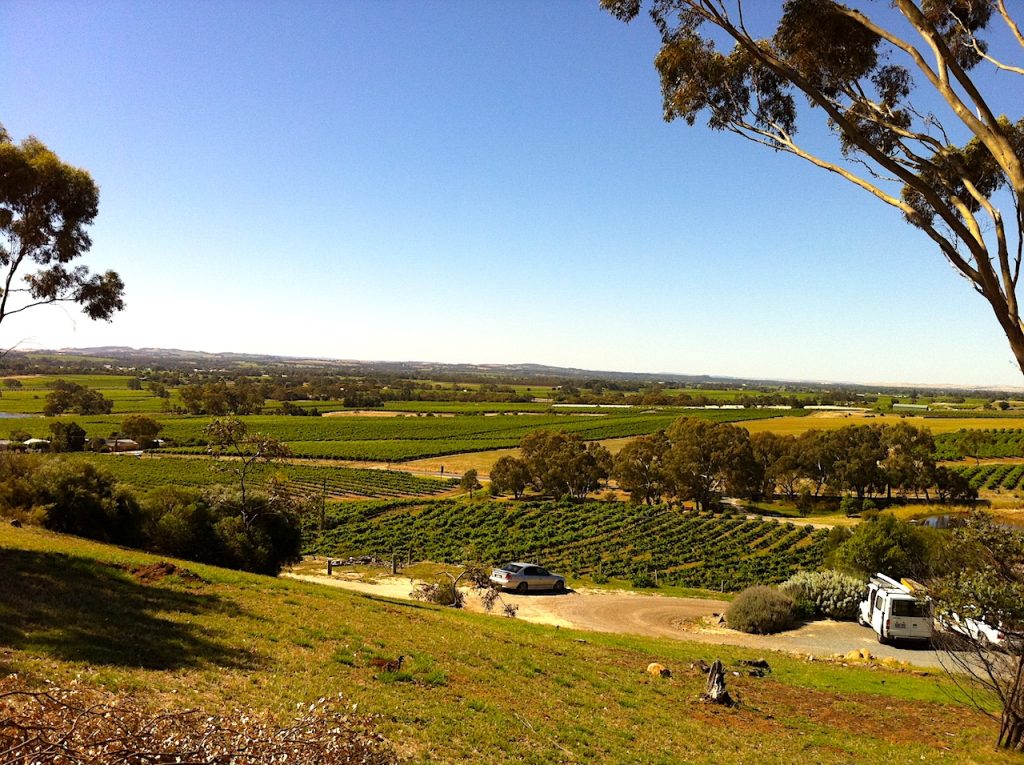
Some wine regions thrive on novelty and fashion, while others maintain their authority more quietly, grounded in continuity rather than reinvention. The Barossa Valley clearly falls into the latter group. Its hold on the world’s imagination isn’t based on being new or clever but on having survived — sometimes intentionally, sometimes by luck — while much of the Old World was forced to start afresh.
The Barossa’s vineyards are not museums. They are working landscapes, cultivated year after year by families who understand that a vine is not something you rush. What makes the Barossa unique is not just its age, but that its oldest vines were never uprooted or grafted onto foreign roots in a desperate bid for survival. They still stand, in many cases, exactly where and how they were originally planted, a living witness to a chapter of global wine history that Europe itself was forced to erase.
To understand how that happened, you need to look beyond South Australia and start with a catastrophe.
The small insect that changed the wine world
In the mid-1800s, European viticulture was nearly wiped out by something almost invisible. Phylloxera, a root-feeding aphid native to North America, was brought to Europe on imported vine material during a time when botanical exchange was driven more by curiosity than caution. Once established, the insect spread rapidly. European Vitis vinifera vines lacking natural resistance simply died. Vineyards kept failing and entire wine regions faced devastation.
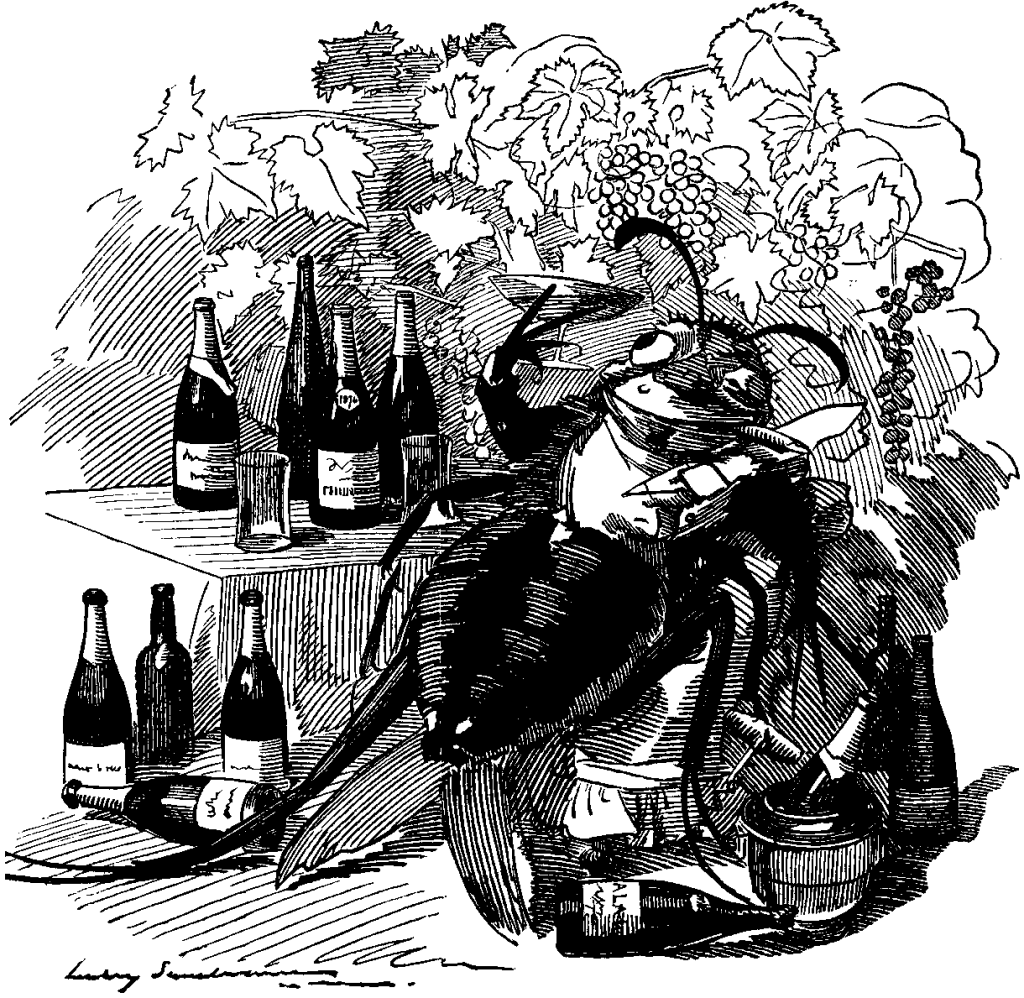
The solution, when it finally arrived, was practical rather than romantic. Botanists and growers identified American vine species that could tolerate phylloxera and started grafting European varieties onto American rootstock. Among those involved was the French botanist Pierre Viala, who travelled to the United States to find suitable material and helped identify rootstocks that could survive in European soils. Europe’s vineyards survived but only by being rebuilt, fundamentally changed from the ground down.
South Australia observed this from afar and drew its own conclusions. The colony implemented quarantine measures and controls on vine material that, over time, proved crucial. Although phylloxera did reach parts of Australia, particularly Victoria, it never took hold in the Barossa. The valley’s vines kept growing on their own roots without interruption, whereas much of Europe replanted and regrafted.
This is the crucial point on which the Barossa’s global importance hinges. The valley did not “outsmart” Europe. It simply avoided catastrophe through a mix of geography, policy and restraint. As a result, some of the world’s oldest productive grapevines now grow in a New World wine region because they never had to change.
A valley built on continuity
The Barossa itself was shaped by settlers who understood the value of patience. German-speaking communities arrived in the 1840s and 1850s, bringing with them farming traditions, church life and a tendency toward careful stewardship. Vineyards were planted alongside mixed farms. Blocks were small and the work was intimate and repetitive, while knowledge was passed on because it had to be.
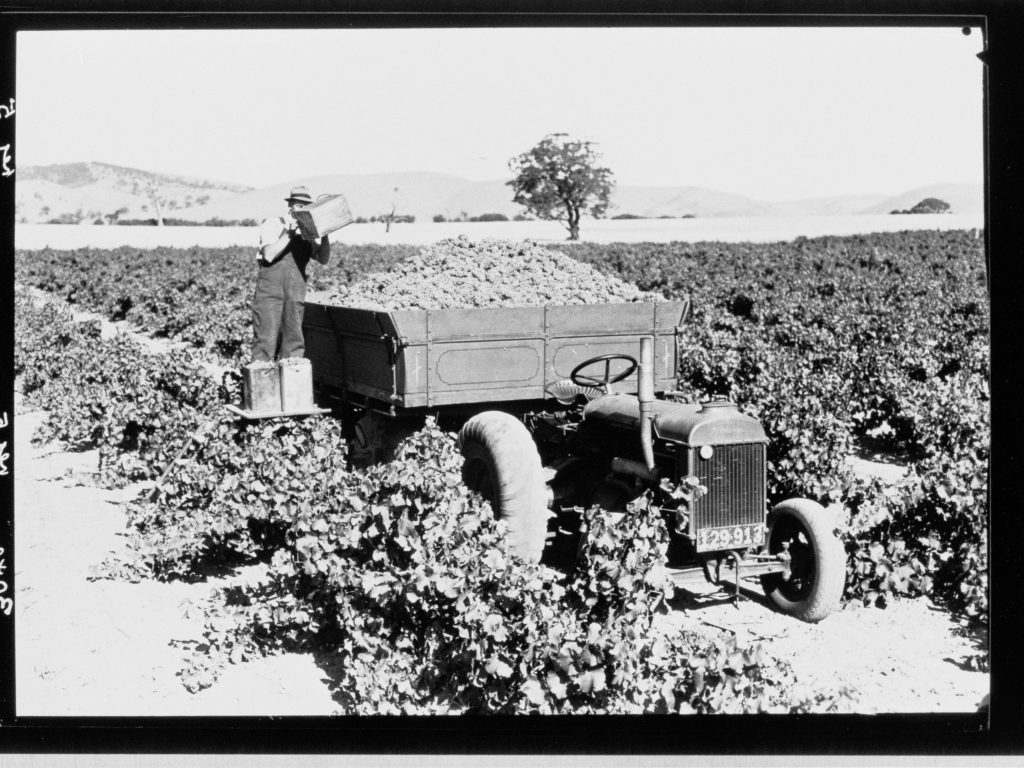
Over time, the valley fostered a culture that regarded vineyards less as throwaway assets and more as legacies. Old vines weren’t pulled out easily. They were pruned, retrained and worked around. Yields were accepted as they came. In hard years, they endured, but in good years, they were remembered.
That instinct eventually became official. The Barossa Old Vine Charter, launched in 2009, classified vineyards by age and acknowledged vines planted as far back as the 1840s. Yes, it was a marketing strategy, but it was also a statement of principles. Old vines were no longer just the concern of individual growers. They were recognised as a collective asset, something worth preserving even when economic arguments might suggest otherwise.
An early settlement in the Barossa and the home of the 1843 Freedom Vineyard is believed to be the world’s oldest shiraz. Wine critic James Halliday once described wines from these grapes as “kneeling in the presence of history”. It is now owned by Langmeil Winery.
The Barossa’s old vines remain integral to the region’s finest wines. They continue to produce fruit of remarkable character, demonstrating that vineyards planted more than a century and a half ago are still capable of producing wines of exceptional quality. They still do their job. In doing so, they embody a philosophy that resonates well beyond wine. Continuity counts and not everything of value is better off replaced.
Château Tanunda: ambition, neglect, and rescue
If the Barossa’s old vineyards represent continuity at ground level, Château Tanunda tells a story of ambition and the consequences when that continuity is broken.
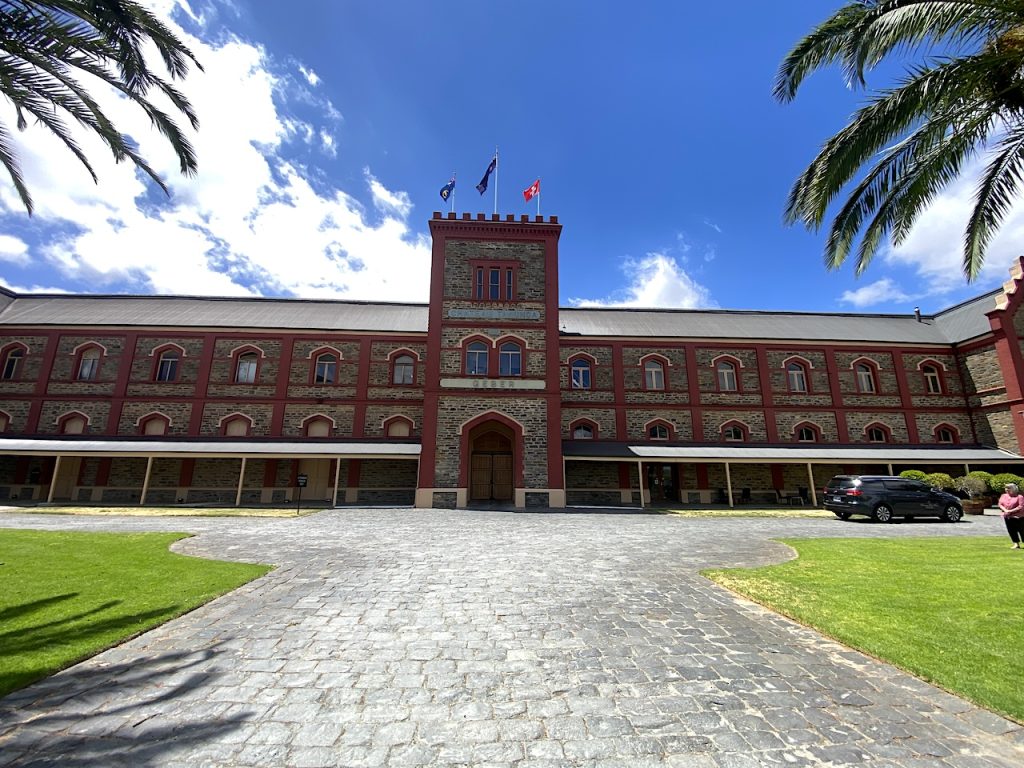
Established in 1890, Château Tanunda was designed as a grand, centralised winery during a time when European supply was declining due to phylloxera. The Barossa had grapes but lacked scale and coordination. The Château provided the solution. A massive stone complex was built to process fruit from numerous growers and put the Barossa on the global wine map.
For decades, it did exactly that. Wine flowed through its cellars until 1916, when ownership shifted to the Seppelts family. Brandy became the main activity and was stored at the Chateau. A separate still house at the front of the estate produced brandy used throughout the Commonwealth for medicinal purposes. It was widely recognised as the “brandy of distinction”. The maturing brandy and wine vats were placed onto concrete plinths around the outside of the building, where the croquet lawn and gardens now sit.
For decades, wine and brandy flowed through its cellars. Its buildings and gardens became a symbol of the valley’s confidence. But the twentieth century was not kind to such monuments. As ownership shifted and consolidation took hold in the Australian wine industry, Château Tanunda became just another asset in a corporate portfolio. Investment dwindled and care evaporated. By the late 1990s, the winery was effectively abandoned, its buildings deteriorating, records destroyed and its future uncertain.
The Barossa almost lost one of its physical landmarks. The reason it did not happen largely lies with John Geber and his family, who bought the property in 1998 and set about restoring not just a winery but a sense of purpose. The task was huge. Buildings had to be stabilised and repaired, gardens rebuilt and a brand brought back from near oblivion. And, most importantly, credibility had to be re-earned one vintage at a time.
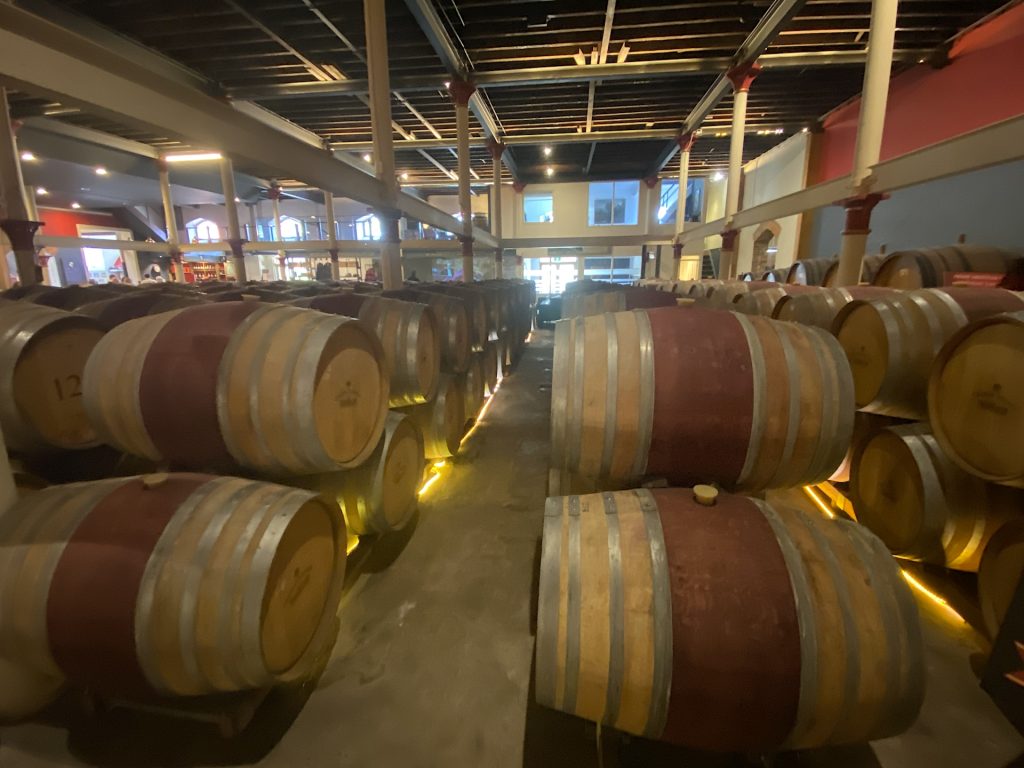
Today, Château Tanunda once again functions as a winery and remains a landmark worth visiting. Its revival is often called a success story, but that might downplay the lesson it teaches because heritage doesn’t protect itself. Without owners who value the place and its history, even the grandest buildings can quickly fall into disrepair. The Château endures because someone thought it was important.
Small sheds, long conversations
If Château Tanunda embodies grandeur and spectacle, the Barossa’s true spirit still lives on in its tiniest wineries. Among them is Ballycroft Wines, a humble operation at Greenock that shows visitors what “hands-on” really means.
Run by Joe and Sue Evans, Ballycroft is a genuine micro-winery. Joe is the viticulturist, winemaker, and cellar hand, while Sue is an equal partner in the business, managing all other aspects needed to keep it running. Tastings are led by Joe, who grew the grapes and made the wine. There is no script. Questions are answered authentically, as the responses are lived, not rehearsed.
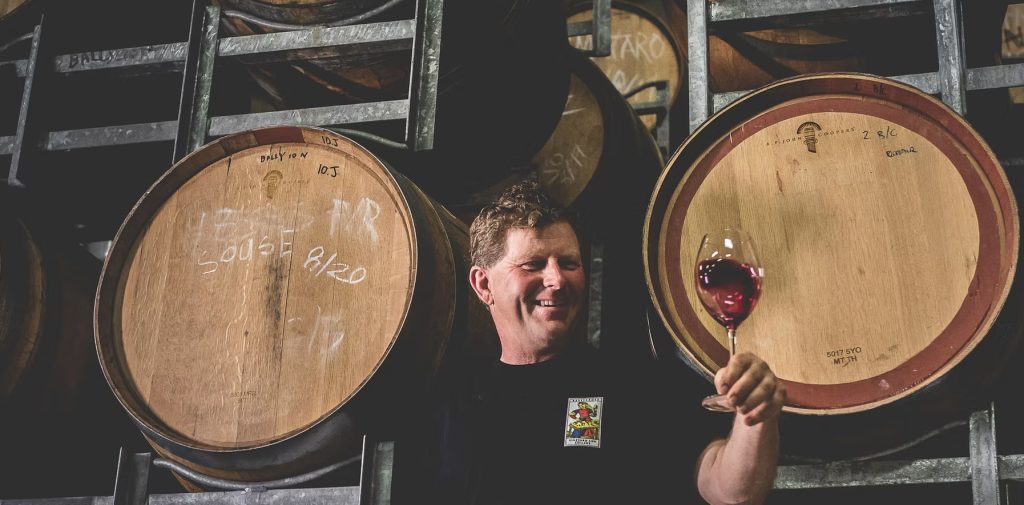
In an era when wine tourism can feel more polished and transactional, places like Ballycroft uphold a different tradition of the long conversation at an intimate sitting. Explanations drift from soil to season to mistake, showing that wine remains a craft before it is a product.
Ballycroft also demonstrates something else about the Barossa. The region isn’t stuck in the past. Small producers try new things, change and experiment, whether it’s their winemaking style, vineyard practices, or energy use, simply because their size allows them to. Innovation happens quietly through trial and error, year after year.
Building something new, properly
The Barossa is often seen as insular, but that perception quickly fades when you take a closer look. The valley has always welcomed newcomers, as long as they commit. Lambert Estate serves as a good example.
Jim and Pam Lambert moved to Australia from the United States, fell in love with the Barossa and decided to build a life centred on wine rather than just investing in it. From vineyards near Angaston, they grew Lambert Estate into a family-run business that now involves the next generation. It’s a story of gradually acquiring land, tending vineyards, setting up a cellar door and earning a solid reputation.
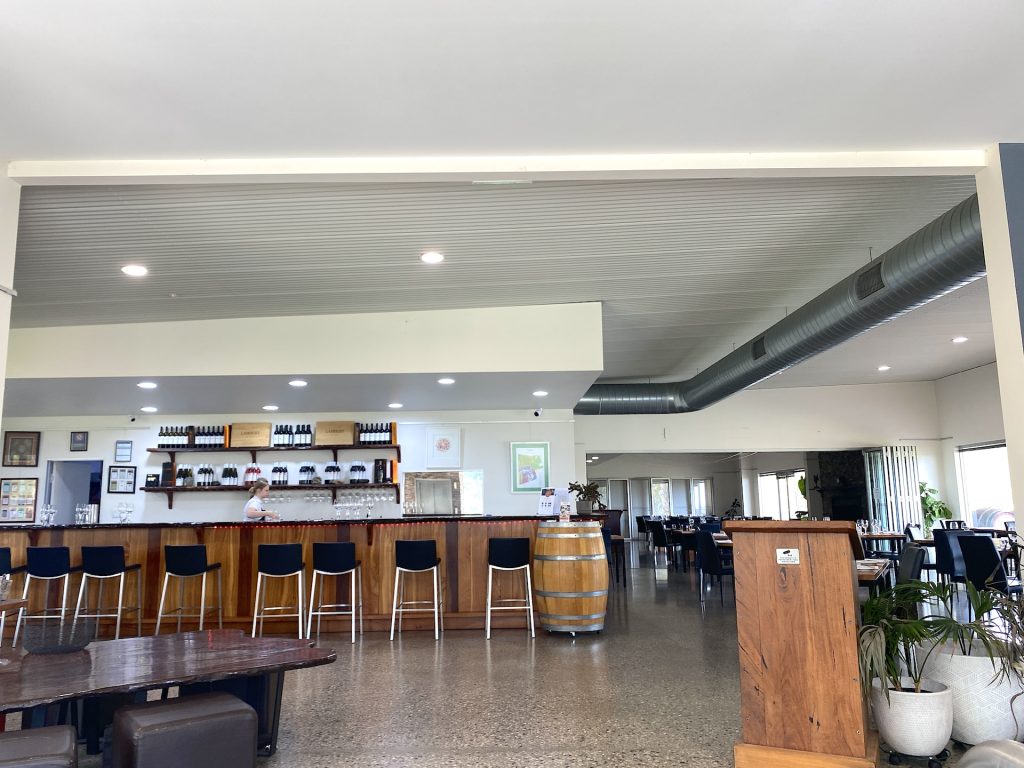
What sets the Lambert story apart isn’t its size or flair, but its seriousness. This is a lot more than a weekend vineyard or a lifestyle accessory. It is a working Barossa estate, built intentionally and maintained through the same cycles of season, risk and reward that define the region’s older names.
In that way, Lambert Estate fits comfortably within the Barossa tradition. Although many of the valley’s best-known families have been there for generations, its history has also been enriched by newcomers prepared to invest in the land, build enduring businesses and contribute to the region’s reputation.
Custodians, not curators
The temptation, when discussing old vines and historic wineries, is to fall into nostalgia. However, the Barossa deserves more than that. Its importance lies not in what it was, but in what it has chosen to preserve.
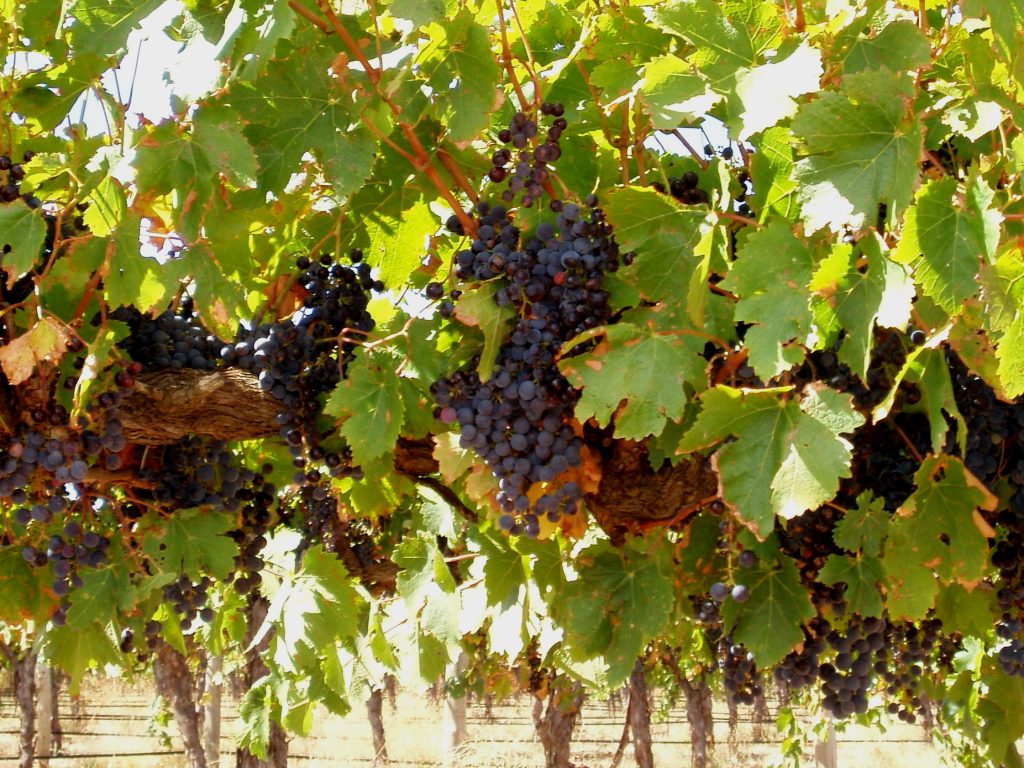
Europe lost its old vineyards to phylloxera and had to rebuild them. The Barossa kept its vineyards mostly by avoiding the disaster and by keeping quarantine and discipline long after the risk was clear. Château Tanunda nearly disappeared through neglect and only survived because someone stepped in. Small wineries keep going because families still believe that their hands-on work matters. Newer estates do well when they respect the valley’s rhythm instead of trying to change it.
What you see here is a strong sense of custodianship. The Barossa’s old vines aren’t protected as relics but are worked, relied upon and maintained as part of a living system. They function because they remain productive and part of daily life in the valley. In a world obsessed with reinvention, the Barossa offers a quieter lesson that some histories are simply never lost.
Ta Robert – you took me back to 1976 and my first exposure week in the Barossa. A foundation experience for life.
Rob, I referred to this article as I was interested in the historical connection with the wine disease in Europe. Also good to see the emphasis on restoration and renewal to preserve the history. Great wines as well!