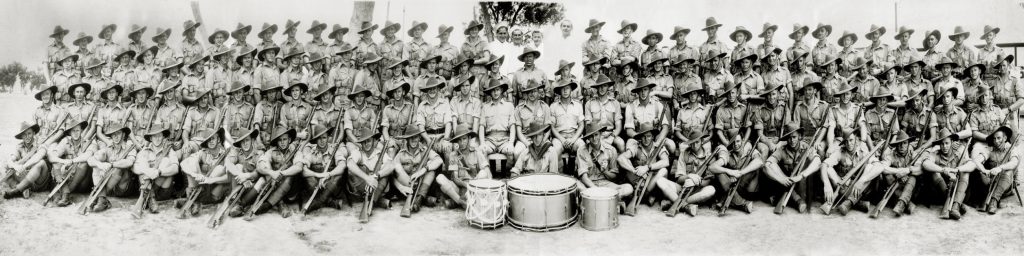
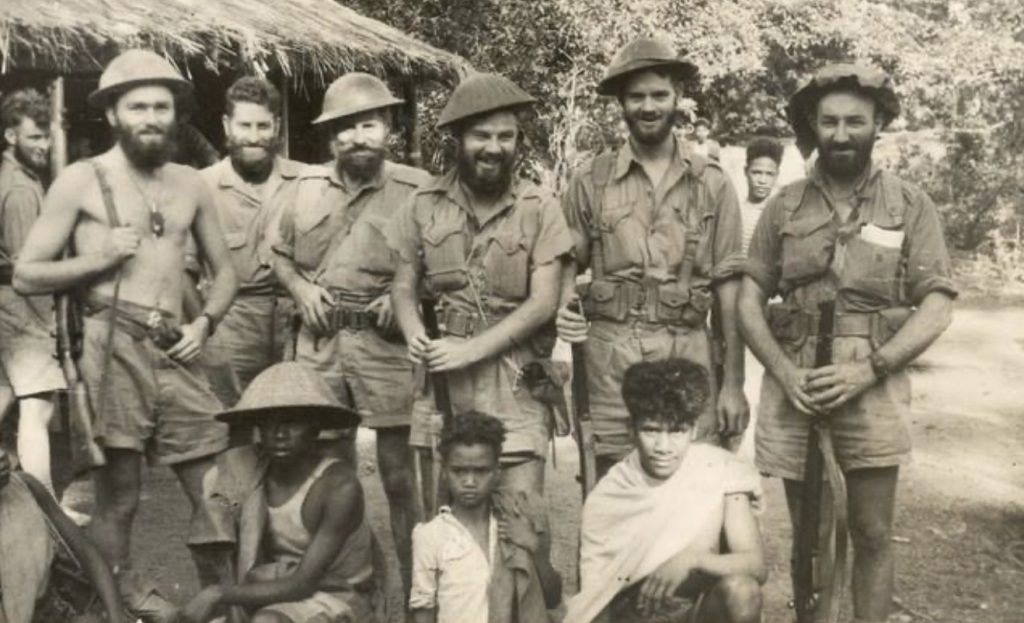
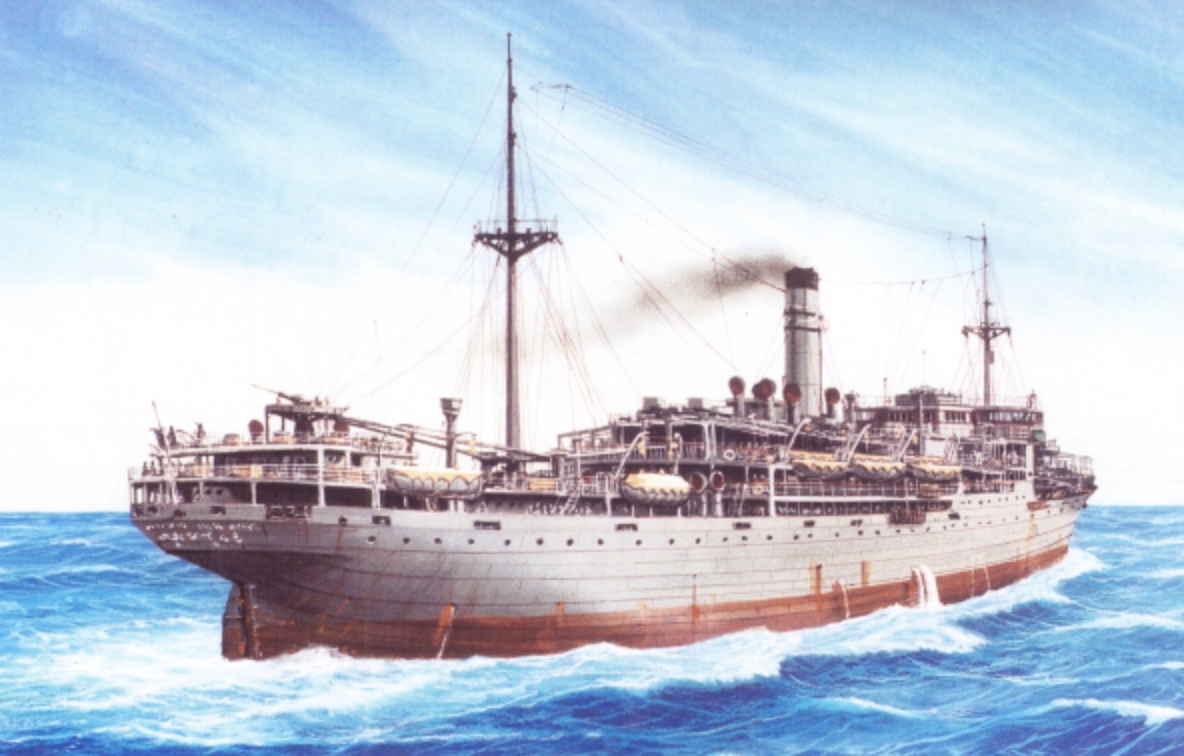
Two years ago, I wrote about Lark Force at Rabaul and how a small Australian garrison, sent forward on a strategic idea that no longer made sense, was quickly overwhelmed when the Japanese attacked. That story didn’t end on the battlefield but at sea, with the sinking of the Montevideo Maru and the loss of over a thousand Australian prisoners of war and civilians, whose fates went almost unnoticed at the time.
Rabaul, a town of striking beauty nestled on the north-eastern tip of New Britain in Papua New Guinea, boasts magnificent deep-water harbour encircled by a stunning volcanic flooded caldera three kilometres wide. This natural fortification, combined with its strategic location, made Rabaul a coveted prize for colonial powers and, eventually, a significant battleground in the Pacific theatre of World War II.