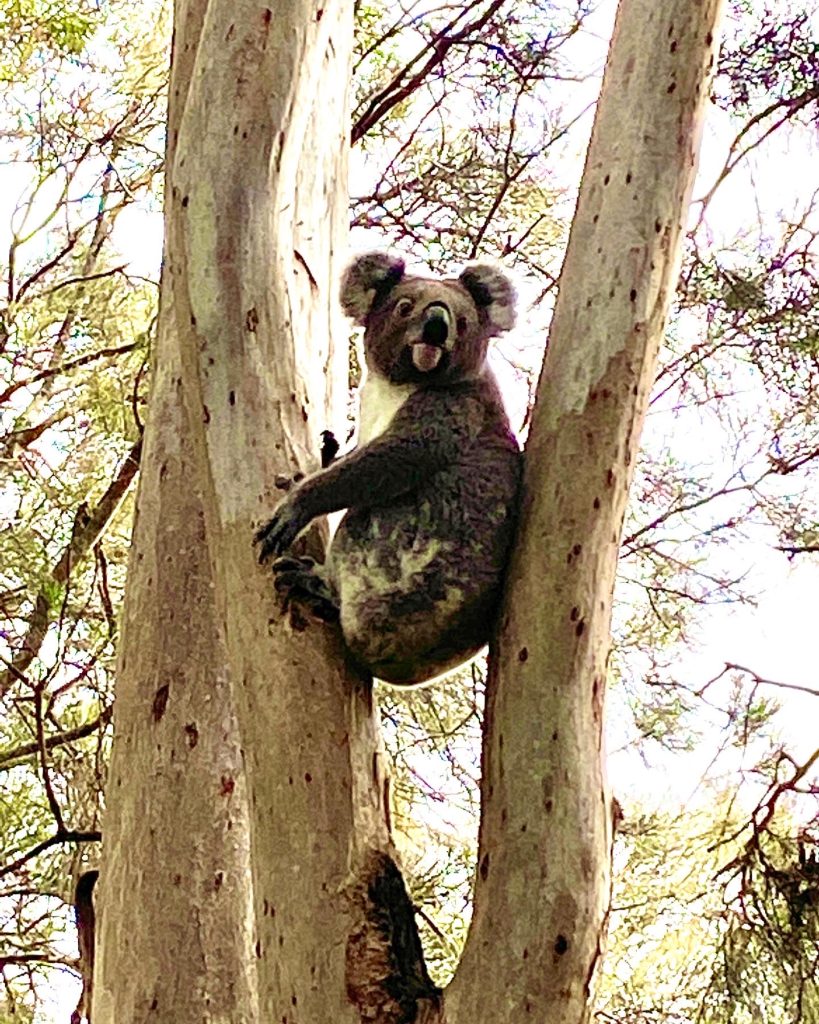
Australia’s koala has become more than just a marsupial. It’s now a symbol, a fundraising tool and a political icon. Smile for photos, showcase their faces on postcards and talk about imminent extinction, and suddenly, money starts flowing. Politicians, environmentalists and the media all love it. Yet, like all great myths, the story of the koala’s supposed doom is more a crafted tale than a real ecological threat.
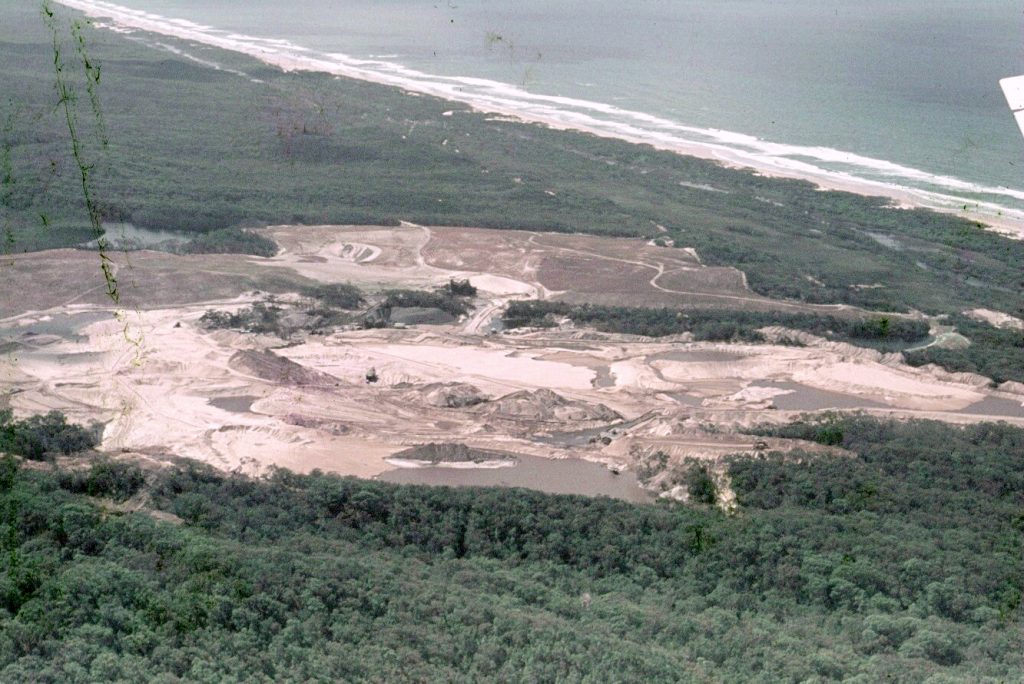
The story of Australian sand mining spans over more than a century, beginning not with industry, but with the pursuit of gold. In the late 1800s, small groups of miners panned the black beach sands along Australia’s east coast, from Bermagui in New South Wales to Fraser Island in Queensland, searching for a few shimmering specks.
How many disasters must we have, and how much public and private money needs to be spent, before we stop accepting a situation that can and should be avoided?
Professor Mark Adams, landowner at Separation Creek
Introduction
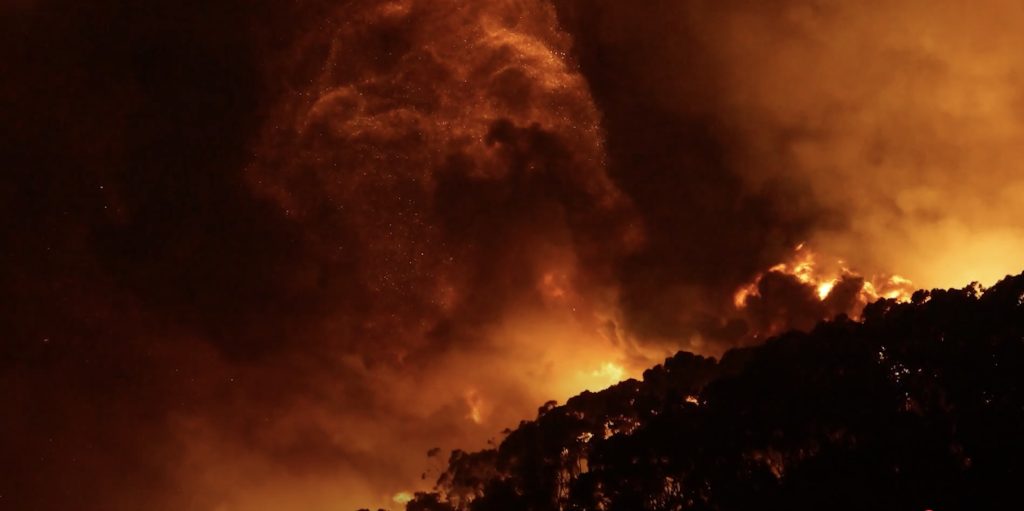
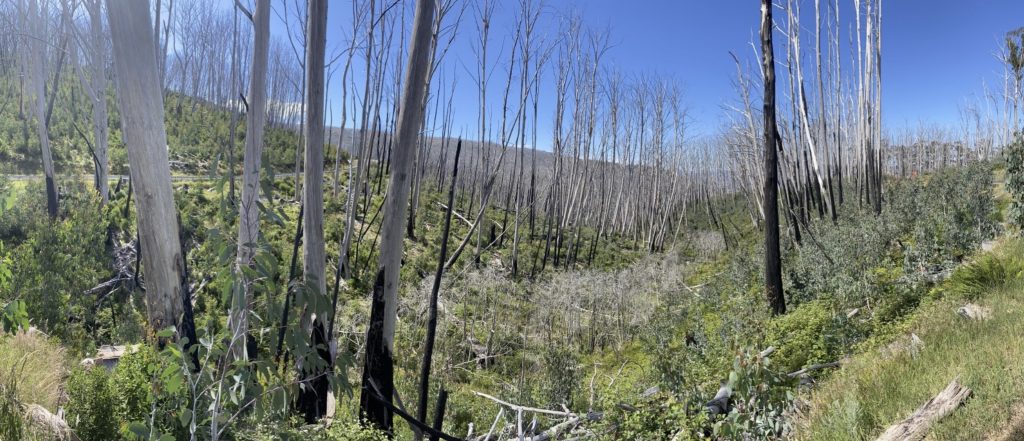
Christmas should be a time of family, rest, and renewal. For the small coastal communities of Wye River and Separation Creek on Victoria’s Great Ocean Road, Christmas Day 2015 brought devastation instead.
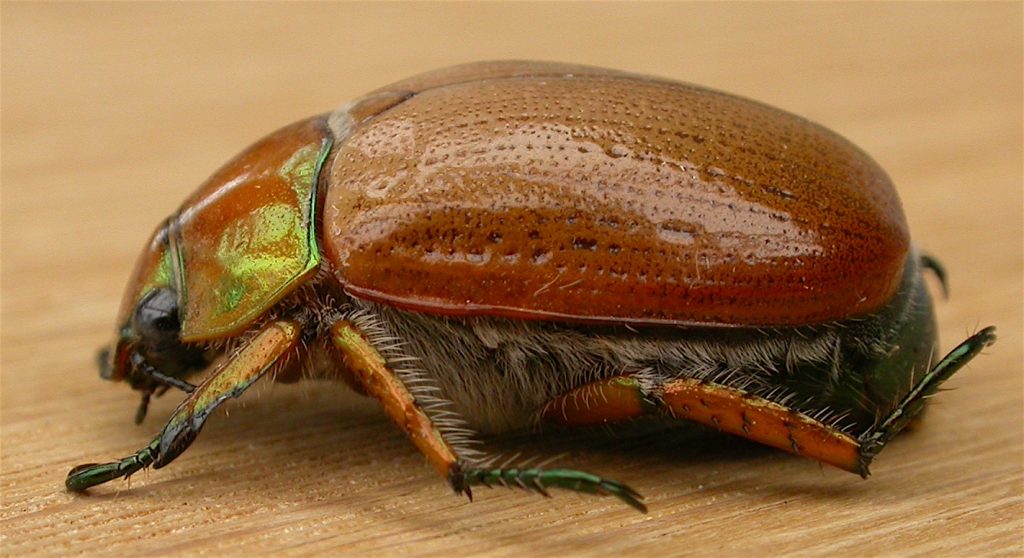
For many Australians of a certain age, the magic of Christmas wasn’t just about the excitement of presents under the tree or the smell of a roast wafting through the kitchen. It also meant the annual arrival of Christmas beetles.
Their abundance meant they quickly became ingrained in our cultural psyche.
Another Spring Carnival in Melbourne has come and gone. I wasn’t born a racing man. While I went to school with guys steeped in the Sydney scene at Royal Randwick Racecourse, I was never hooked. I have a couple of mates in Hervey Bay, Dave from “the Shire” in Sydney and Macca from Alice Springs.
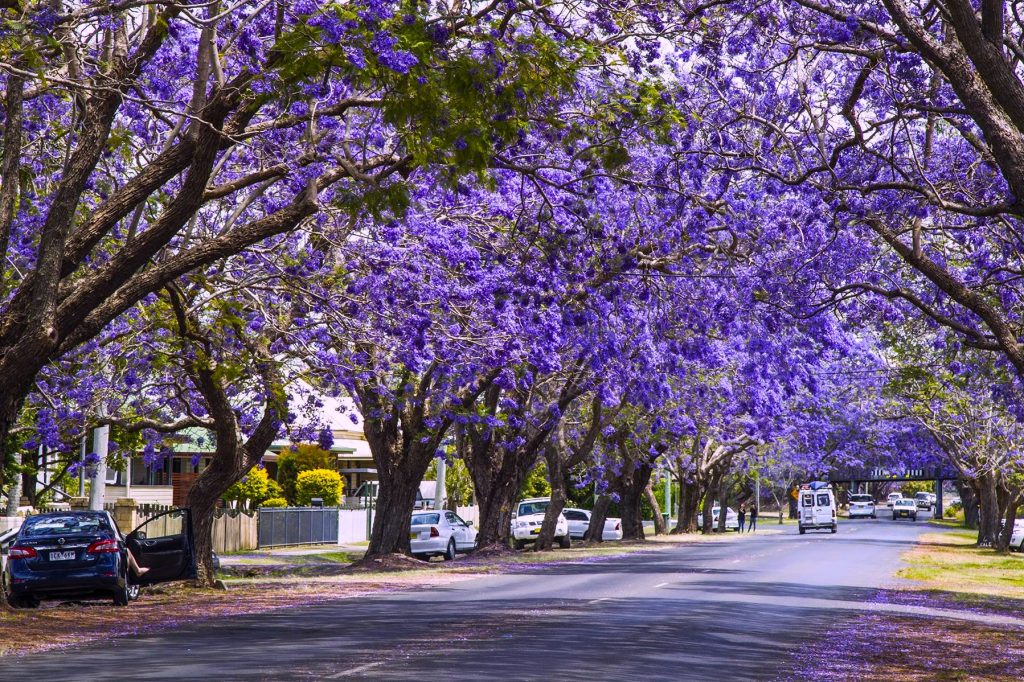
Streets with trees come to hold a cherished place in the hearts and minds of those living with them … recollections of growth from seedling to maturity, of gracious light and shade, brilliant young green of spring-time, dignified shade in the heat of the day.
W. B. Bailey-Tart
Every spring, as October fades and the heat of the coming summer begins to crackle in the air, something magical unfurls across parts of Australia.
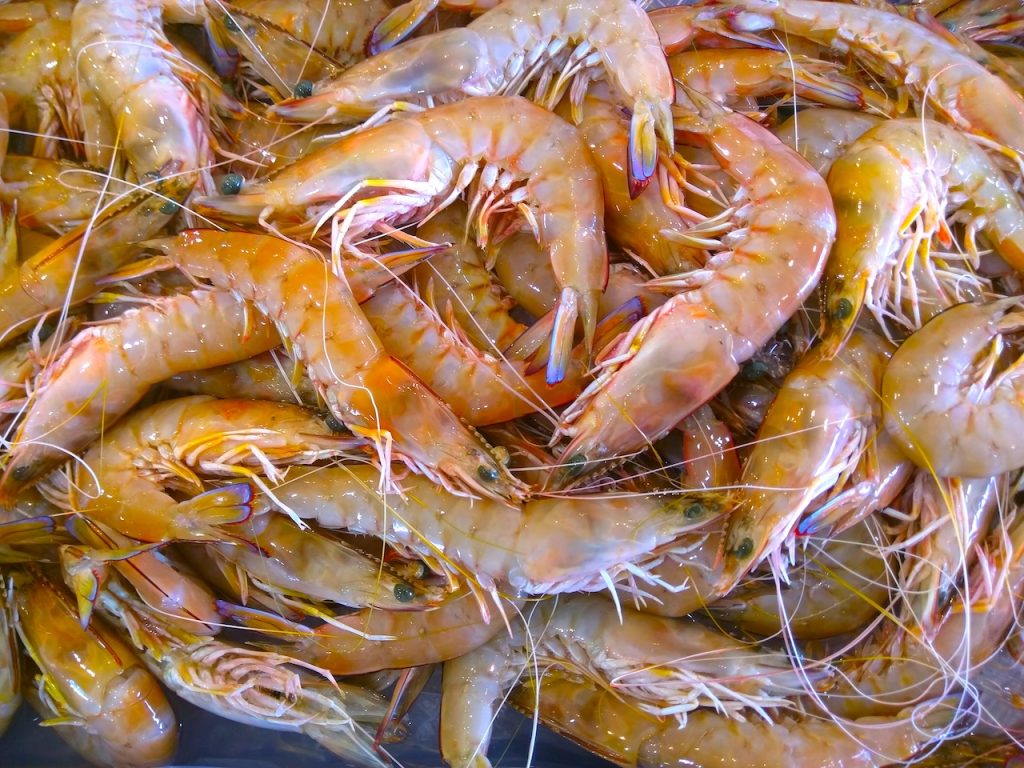
Some say Australia runs on prawns, and during our travels around Australia, I saw a hint of truth to that statement.
The prawn has come a long way from humble beginnings in the shallow waters of Sydney Cove to vast aquaculture farms in Shark Bay and bustling trawler fleets off Karumba.
Timber is one of nature’s most versatile and enduring materials, offering numerous applications unmatched by any other construction substance. From structural beams and posts to decorative wall cladding, ceiling linings, furniture, joinery, and expansive decking, timber’s indoor and outdoor possibilities are endless. Beyond its structural strength, timber transforms living spaces with its warmth, texture, and depth, creating a natural sensory connection that manufactured materials cannot replicate.
In the years leading up to Queensland’s separation from New South Wales in 1859, the political mood across the continent’s northern reaches was restless yet hopeful. From the sunbaked cattle runs of the Darling Downs to the pine-timbered ridges around Moreton Bay, there was a low murmur that grew louder. Why should decisions for the north be made from distant Sydney?