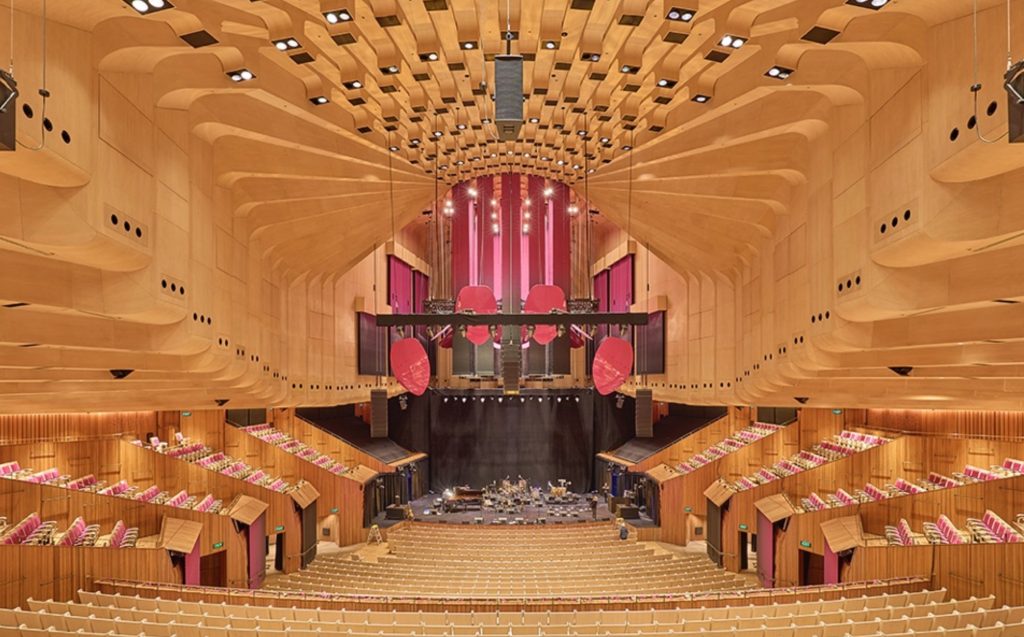
Timber is one of nature’s most versatile and enduring materials, offering numerous applications unmatched by any other construction substance. From structural beams and posts to decorative wall cladding, ceiling linings, furniture, joinery, and expansive decking, timber’s indoor and outdoor possibilities are endless. Beyond its structural strength, timber transforms living spaces with its warmth, texture, and depth, creating a natural sensory connection that manufactured materials cannot replicate.
In the early 20th century, Hervey Bay was not the bustling regional hub we know today. Instead, it was a picturesque cluster of seaside villages along the foreshore, stretching from Urangan in the east westwards to Torquay, Scarness, Pialba and finally Point Vernon. As tourism grew, particularly during the long summer holidays, safe swimming became a serious concern for both visitors and locals.
The prosperity of the Hastings Valley was shaped by the hard work of timber workers and the power of sawmills. It is a valley of vast forests, where towering blackbutts (Eucalyptus pilularis), tallowwoods (E.microcorys), Sydney blue gums (E.saligna), brushboxes (Lophostomen confertus) and flooded gums (E.
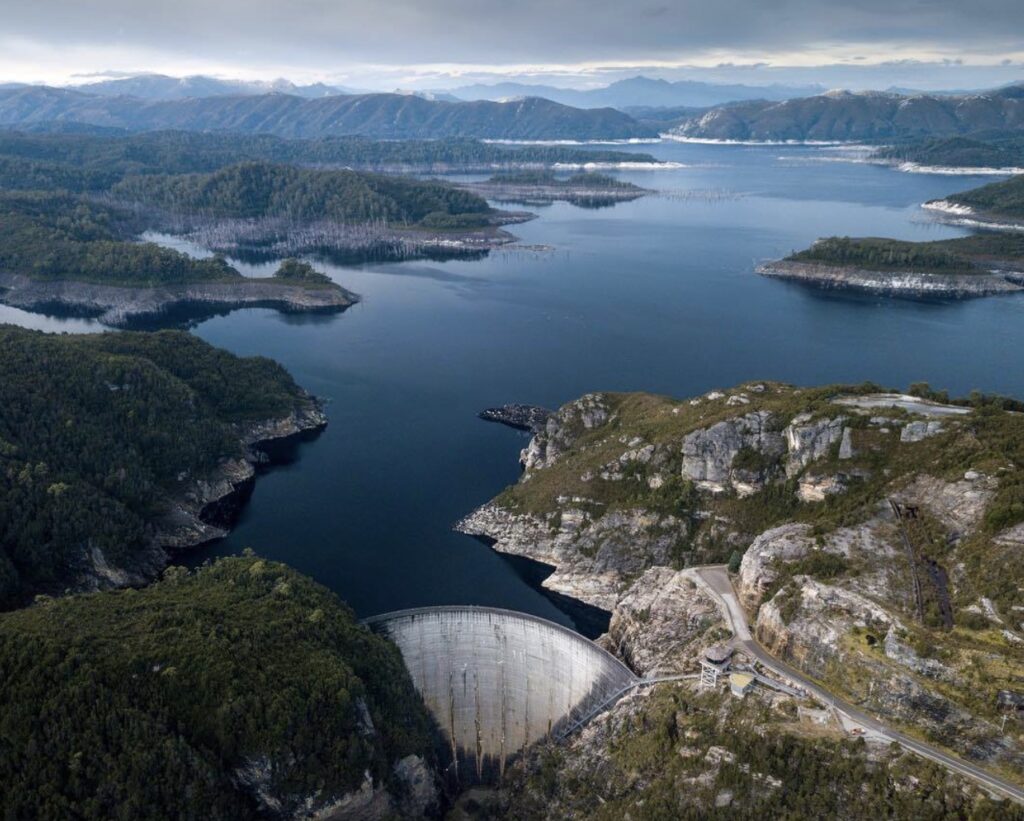
To generate hydropower you needs lots of water and steep hills – both things Tasmania has in abundance.
In the heart of Tasmania’s rugged southwest, a region once almost uninhabited since settlement and defined by its natural lakes, impenetrable forests, and fierce winds, a remarkable story of human ingenuity unfolded. This remote area, receiving four meters of rainfall annually, seemed an unlikely place for grand engineering feats.