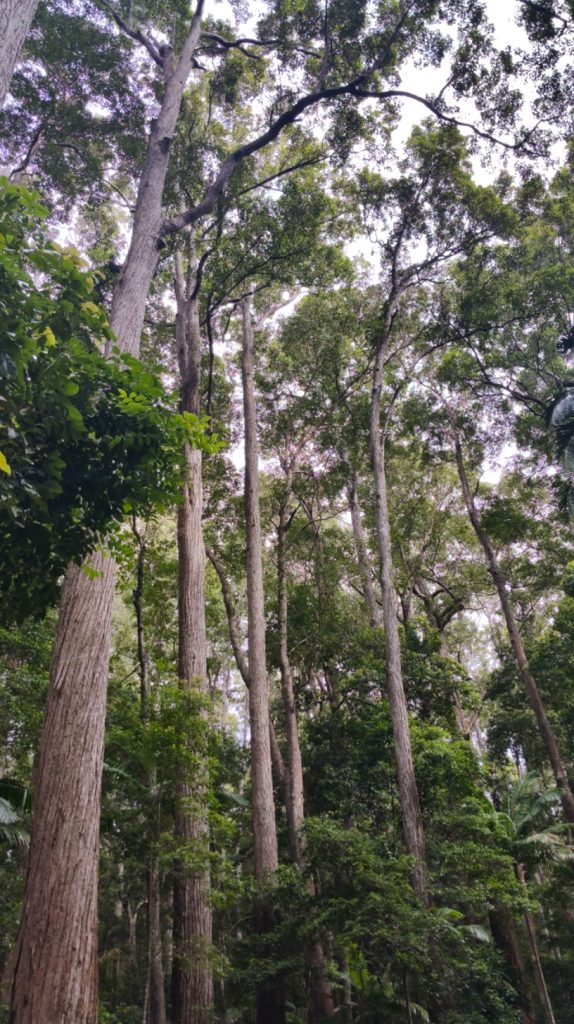
I have previously written about satinay. In an earlier essay, ‘The aristocratic satinay,’ I explored the history of this remarkable Fraser Island timber, from its initial neglect to its eventual recognition as one of Australia’s finest hardwoods. That story emerged from years spent in and around Fraser Island’s forests and from a fascination with how a timber once considered unworkable came to be highly valued for flooring, furniture and demanding marine applications.
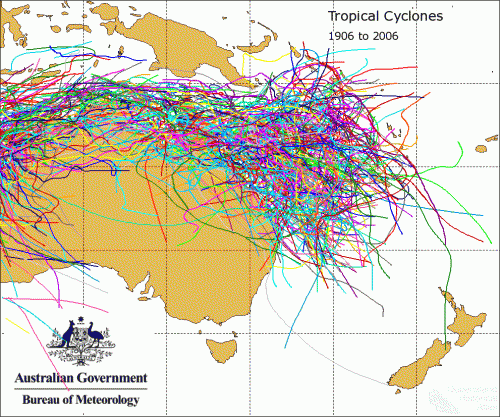
Many Australians see tropical cyclones as a northern phenomenon — storms that belong to Cairns, Townsville, or the Kimberley. Yet, the Fraser Coast, stretching from Fraser Island through Hervey Bay to Maryborough, has long been within their path. Cyclones are not uncommon visitors here. In fact, they have shaped our coast, forests and local stories.
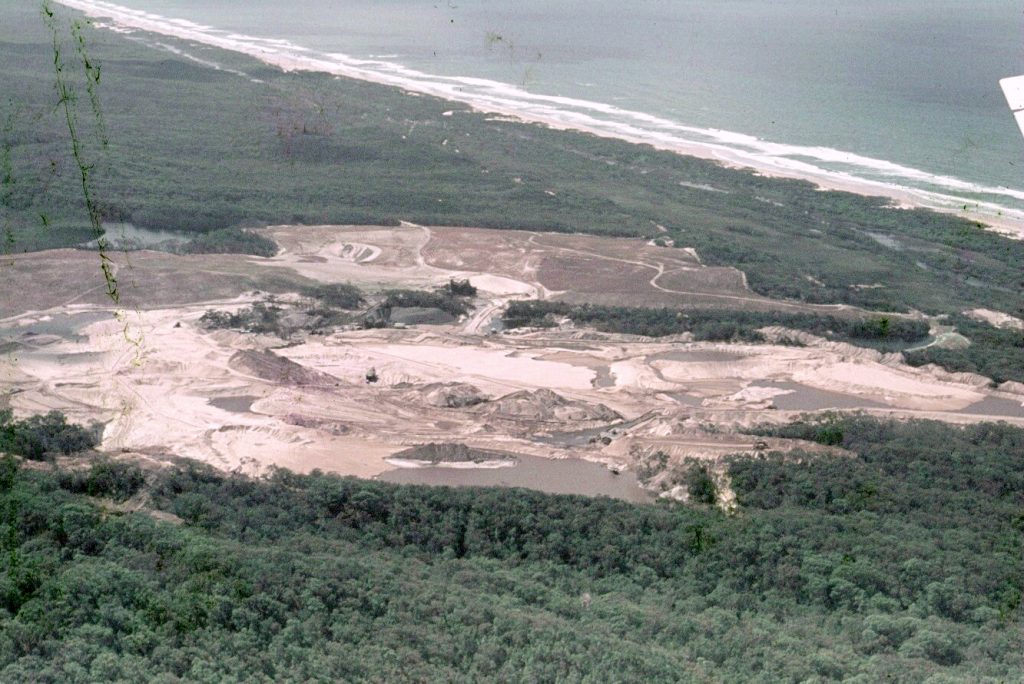
The story of Australian sand mining spans over more than a century, beginning not with industry, but with the pursuit of gold. In the late 1800s, small groups of miners panned the black beach sands along Australia’s east coast, from Bermagui in New South Wales to Fraser Island in Queensland, searching for a few shimmering specks.
Sir Reginald Barnewall was a man of the air long before he ever set eyes on Fraser Island. He was born into a wealthy Victorian grazing family whose history went back to the Norman conquest. A baronet, he carried himself with the confidence of privilege but also with the restless ambition of a man who wanted more than land and cattle.
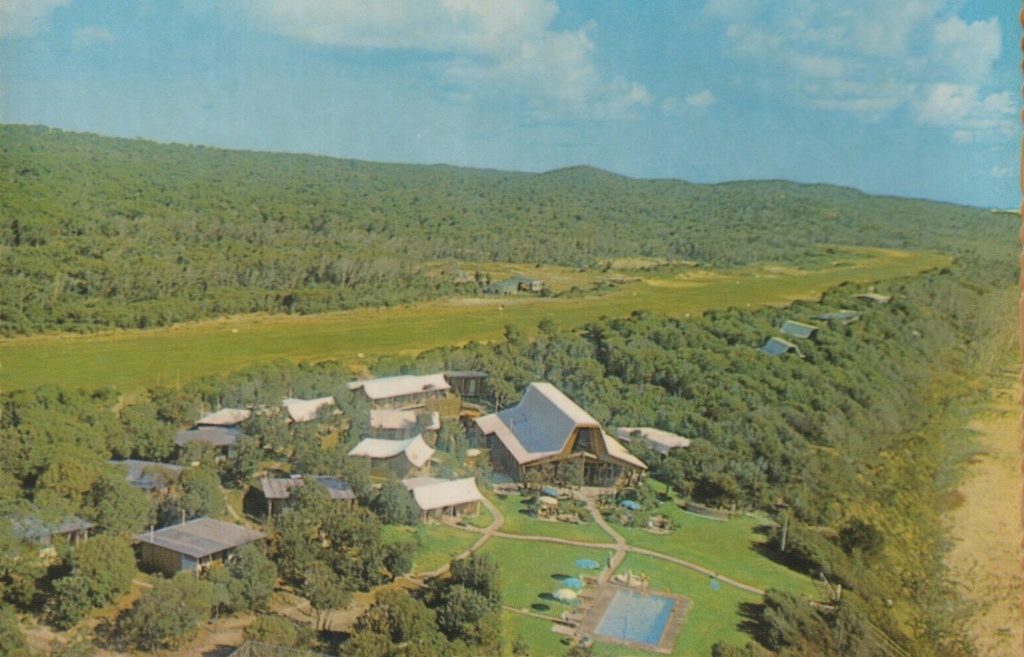
In 1959, a young newlywed named Sid Melksham visited Fraser Island for his honeymoon. Back then, for most people, the island was wild, sandy, and remote. There were no resorts, no four-wheel-drive buses, and no ferries full of tourists running back and forth. Getting there was tough, facilities were minimal, and unless you were a fisherman, a forestry worker, or one of the few locals making a living, the place wasn’t on many people’s radar.
Life on Fraser Island was very isolated and lonely before access improved with combustion engines, regular flights, and ferries to transport cars and trucks. Communication was only by boat, telephone, radio, and aeroplane. In the case of accidents, help was six hours away by boat in Maryborough.
The age of telegraphy
The first breakthroughs in communication came with the spread of telegraph technology.
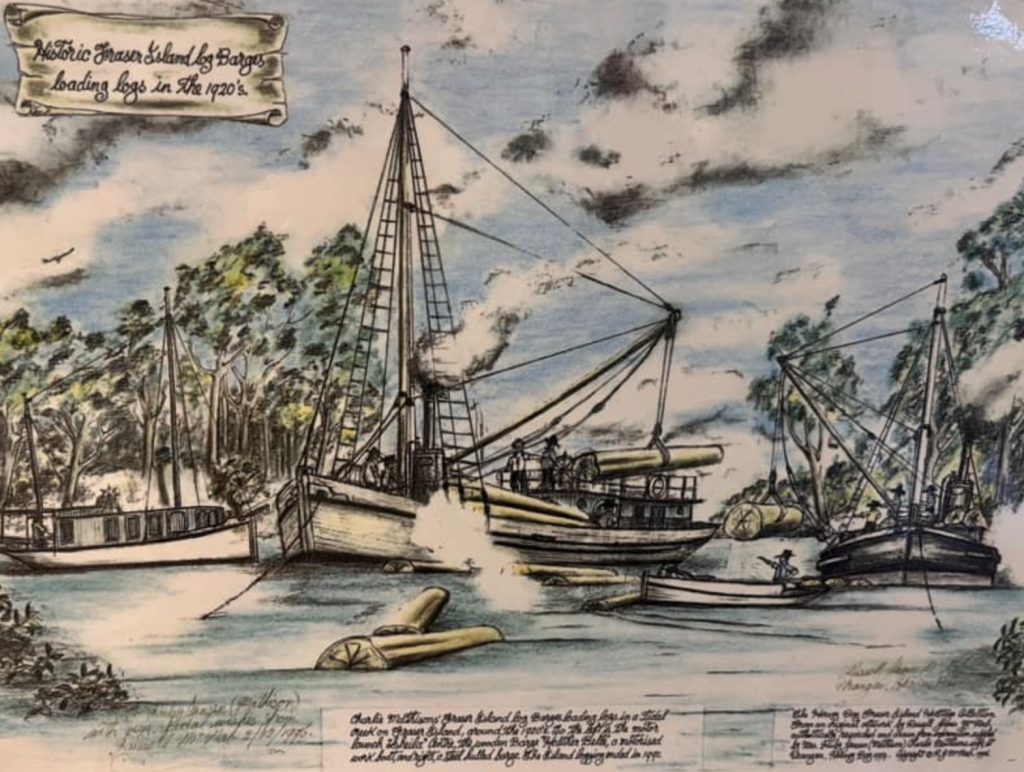
Before four-wheel drives began churning through Fraser Island’s sandy tracks, before tourists arrived and the World Heritage listing was established, the timber industry thrived. Tall, straight blackbutts, satinays, and tallowwoods rose from the sandy soil, destined for sawmills across the strait in Maryborough. The unglamorous, hardworking punts carried the weight of this industry, one load of logs at a time.
In the years leading up to Queensland’s separation from New South Wales in 1859, the political mood across the continent’s northern reaches was restless yet hopeful. From the sunbaked cattle runs of the Darling Downs to the pine-timbered ridges around Moreton Bay, there was a low murmur that grew louder. Why should decisions for the north be made from distant Sydney?
On the morning of Wednesday, July 22, 1970, Jack and Eileen Reville were going about a typical day at their successful Fraser Island tourism business. They readied their tour boat, the Island Queen, for a scenic outing with 46 tourists — mainly elderly holidaymakers — to the island.
Many might be surprised to learn that Fraser Island, famous for its pristine beaches and towering sand dunes, was once suggested as the location for a shark factory. Not just once, but on two occasions.
The first proposal came from an unexpected entrepreneur. Captain Herbert C.