
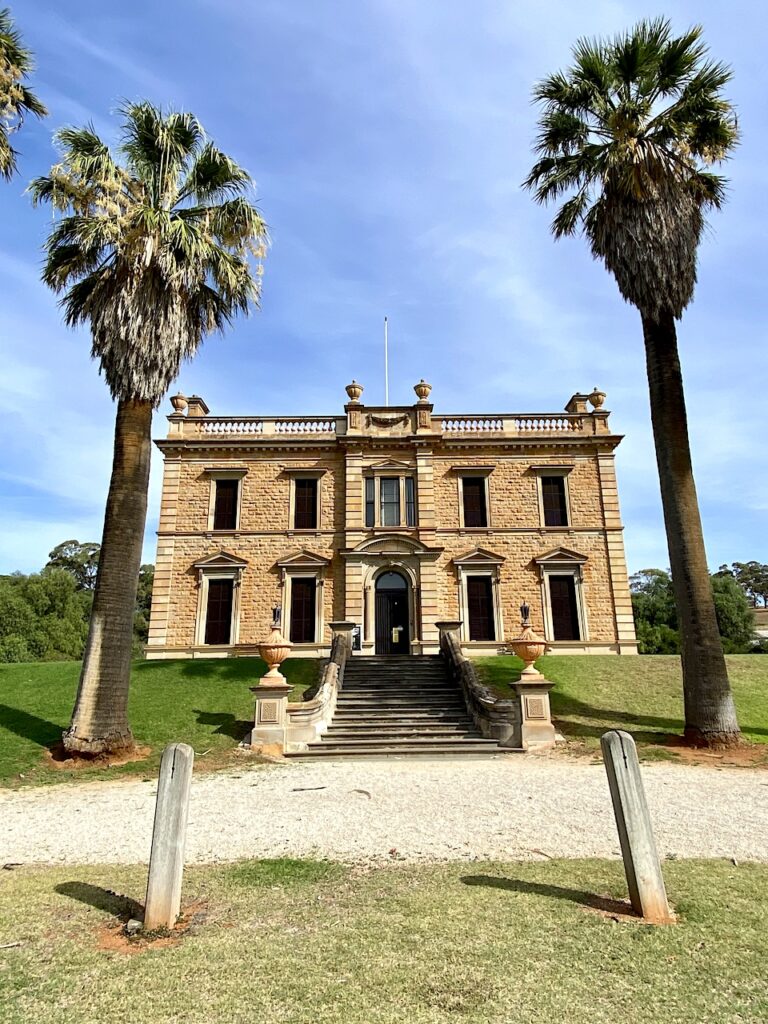
Few places in Australia can transport visitors so completely into another age as Martindale Hall.
Approaching from the historic township of Mintaro in South Australia’s Clare Valley, the first impression is one of surprise. Beyond the vineyards, grazing lands and stone cottages of the district stands a grand sandstone mansion that appears more suited to the English countryside than the Australian bush. Framed by towering palms and set upon gently rising ground, the house commands the landscape with a confidence that has endured for almost a century and a half.
Many Australians may recognise Martindale Hall from Peter Weir’s iconic 1975 film Picnic at Hanging Rock, in which it served as the fictional Appleyard College. However, while the film brought the mansion international fame, the real story of Martindale Hall is every bit as compelling as the mystery portrayed on screen.
It is a story of pioneering pastoralists, colonial ambition, immense wealth, social aspiration and family tragedy. It begins in England, passes through the earliest decades of South Australia’s settlement and culminates in the construction of one of the finest country houses in Australia. Above all, it is a story about people who sought to recreate a particular vision of England in a very different land.
Mintaro and the Wakefield Country
To understand Martindale Hall, it is first necessary to understand the country in which it stands.
Mintaro emerged during the nineteenth century as an important service centre for the pastoral districts north of Adelaide. Situated near the route taken by bullock drays carrying copper from the Burra mines to Port Wakefield, the town prospered as a staging point and commercial hub. Stonemasons, blacksmiths, innkeepers, merchants and labourers found employment in a district increasingly enriched by wool and mining.
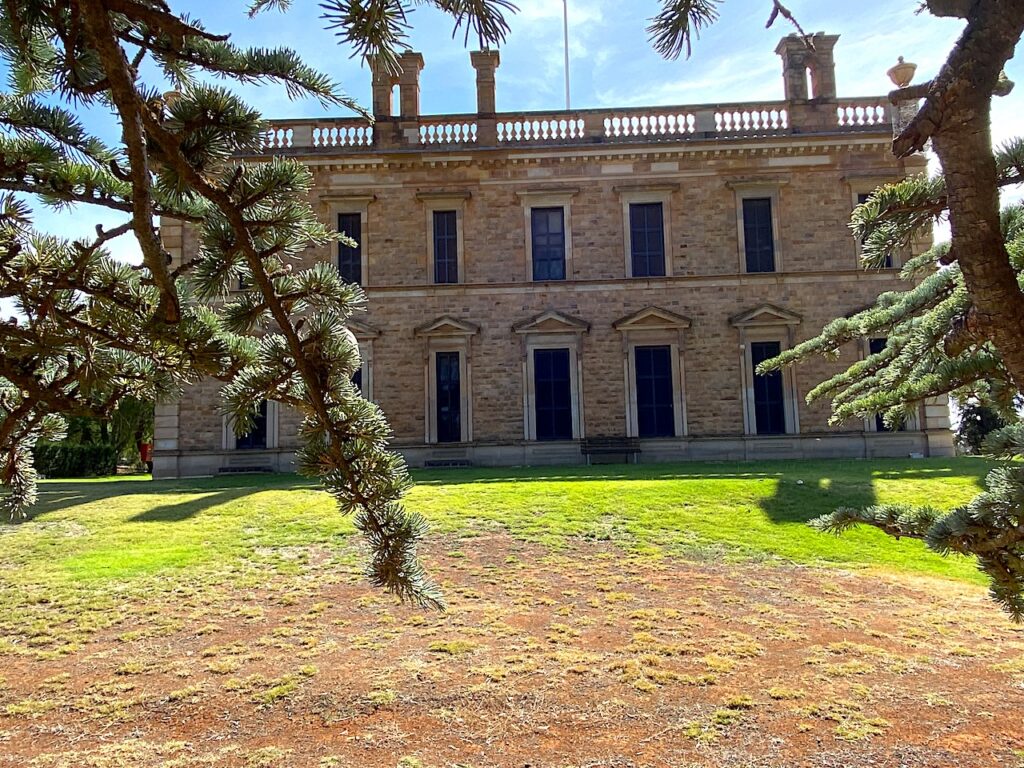
Today, Mintaro remains one of Australia’s most intact nineteenth-century settlements. Its stone cottages, churches, hotels and public buildings provide a remarkable glimpse into colonial South Australia. Unlike many country towns that were modernised or rebuilt, Mintaro largely escaped the pressures of twentieth-century redevelopment. Walking its streets today is akin to stepping into a living museum.
Even among such impressive surroundings, Martindale Hall stands apart. The mansion was never intended to be merely another pastoral homestead. From its inception, it was conceived as something grander — a statement of wealth, refinement and permanence in a colony still finding its feet. The foundations for that vision were laid decades earlier by the Bowman family.
The making of a pastoral empire
The Bowman story began far from South Australia. John and Mary Bowman were sheep farmers in England’s Lake District who emigrated to Tasmania in 1829 with their children and a flock of carefully selected sheep. Like many British families seeking opportunity in the colonies, they were willing to exchange familiarity for possibility.
The family’s eldest son, Edmund Bowman Senior, recognised opportunities beyond Tasmania and arrived in South Australia in 1838, only two years after the colony’s foundation. The remainder of the family followed shortly afterwards.
South Australia was then a land of extraordinary promise. Vast areas of grazing country awaited occupation and ambitious men could acquire fortunes through hard work, good judgement and no small measure of luck. Edmund Bowman possessed all three.
Following the Wakefield River north from Adelaide, he acquired more than 9,000 acres around Mintaro and established what became Martindale Station. The property took its name from a valley in England where the family had previously grazed sheep.
The district proved ideally suited to pastoral pursuits. Reliable rainfall by South Australian standards, fertile soils and extensive grazing country allowed the Bowmans to develop a highly successful merino enterprise. Through careful breeding and management, Martindale became known for the quality of its wool and sheep.
The Bowmans were successful graziers and they became part of a wider network of pioneering pastoral families whose properties stretched across large portions of South Australia. Their influence extended beyond the Wakefield district and into the social and economic life of the colony itself.
The prosperity enjoyed by later generations was built upon years of difficult and often exhausting work. Early pastoral life was far removed from the elegance that would later characterise Martindale Hall. Shepherds lived in rough huts, water supplies were uncertain, droughts threatened livelihoods, infrastructure was rudimentary and distances were immense. But the family prospered.
By the 1850s and 1860s, the Bowmans had become one of South Australia’s most successful pastoral dynasties. Then tragedy intervened. Edmund Bowman Senior drowned while crossing the flooded Wakefield River. His son and heir, Edmund Junior, was only eleven years old. The future of the family’s fortunes suddenly rested in uncertain hands.
An English education
The death of his father might easily have derailed Edmund Bowman’s future. Instead, relatives and trusted family associates ensured the continuation of Martindale Station while the young heir completed his education.
Unlike many colonial-born Australians, Edmund had access to opportunities available only to the wealthy. He travelled to England and studied law at Cambridge. There he encountered a world far removed from the practical realities of pastoral South Australia.
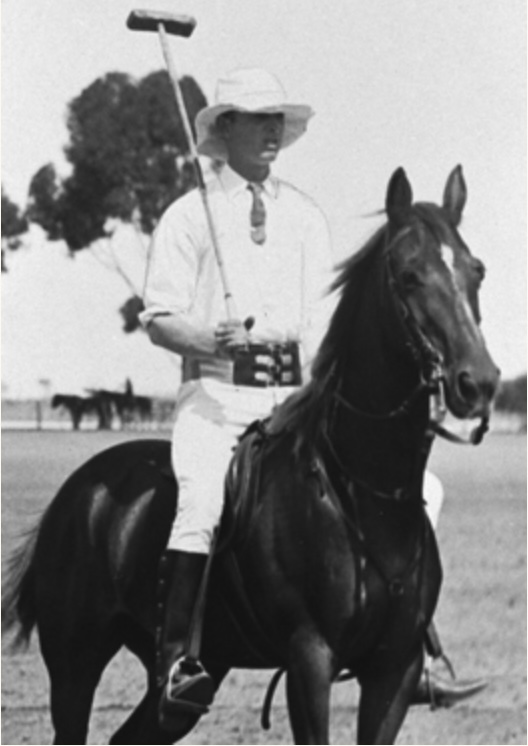
Victorian England was then at the height of its influence and confidence. The great country estates of the English upper classes represented wealth and a complete way of life. Manor houses, landscaped grounds, hunting parties, sporting clubs and elaborate social rituals formed part of a culture that celebrated status, education and refinement. In that world, the young South Australian was captivated.
The architecture, in particular, made a lasting impression. Great country houses served as physical expressions of family history and social standing. They communicated permanence, success and authority.
By the time Edmund inherited the family fortune, he possessed substantial wealth and a powerful vision. He wanted to build his own English country estate, not in Yorkshire or Surrey, but in South Australia.
A house for a gentleman
Returning to South Australia in 1880, Edmund Bowman was in an enviable position. Still relatively young, highly educated and heir to a prosperous pastoral enterprise, he enjoyed freedoms available to very few colonial Australians. Many wealthy men in his position might have invested further in land or livestock. Edmund chose instead to build a house.
Not simply a house, but a mansion that would rival the finest residences in the colony. Built in 1879–80 at a cost of approximately £30,000, Martindale Hall represented an extraordinary undertaking. Constructed from local sandstone and designed in a Georgian style with strong Italianate influences, the building contained 32 rooms, including a seven-room cellar.
The cost alone was staggering. At a time when many Australians lived in modest timber or stone cottages, £30,000 represented a fortune. It was enough to establish substantial pastoral properties and employ large workforces.
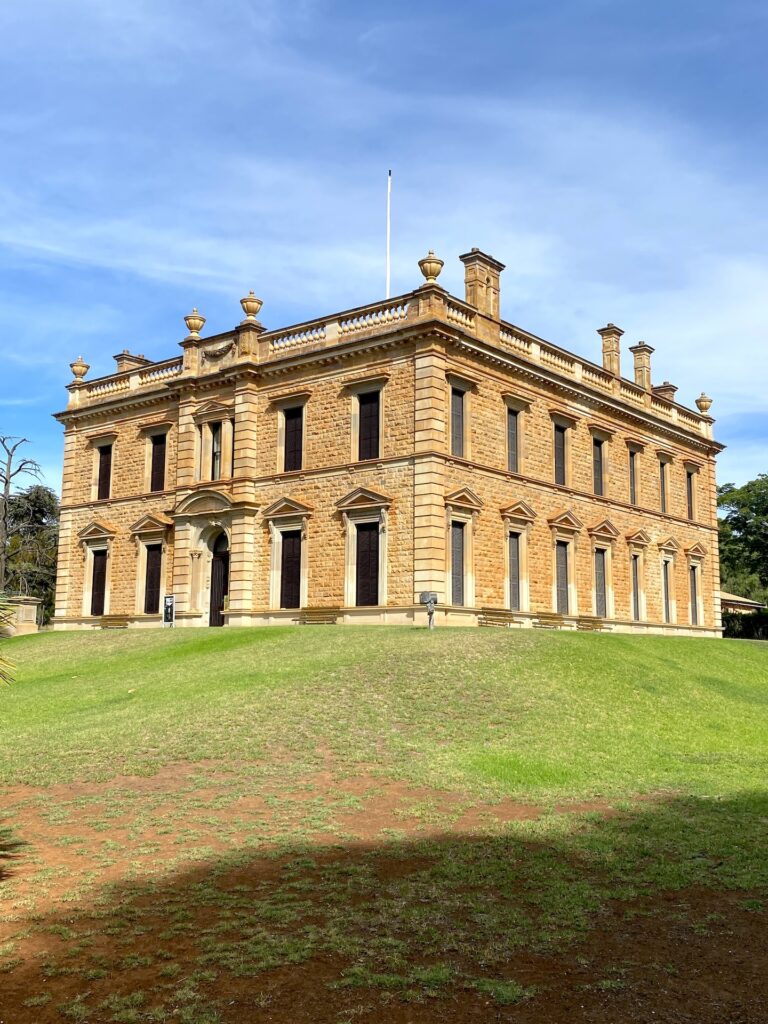
Edmund devoted himself to creating his dream. According to local tradition, many of the skilled craftsmen involved were brought from England specifically for the project. Around 60 tradesmen contributed to the construction effort, producing a building distinguished by exceptional stonework, fine detailing and remarkable craftsmanship.
The mansion was completed in just 23 months. Today, it remains one of the finest examples of nineteenth-century domestic architecture in Australia.
Architecture and ambition
Martindale Hall was designed to impress. Every aspect of the building communicated confidence and success. The carefully proportioned façade, decorative balustrades, classical detailing and commanding position atop a rise ensured that visitors understood they were approaching the residence of a wealthy and influential man.
But the true splendour of the house lies within. Passing through the entrance, visitors encounter a grand reception hall dominated by a magnificent staircase. Rising through two storeys beneath elaborate plasterwork and decorative ceilings, it immediately establishes the scale and ambition of the residence.
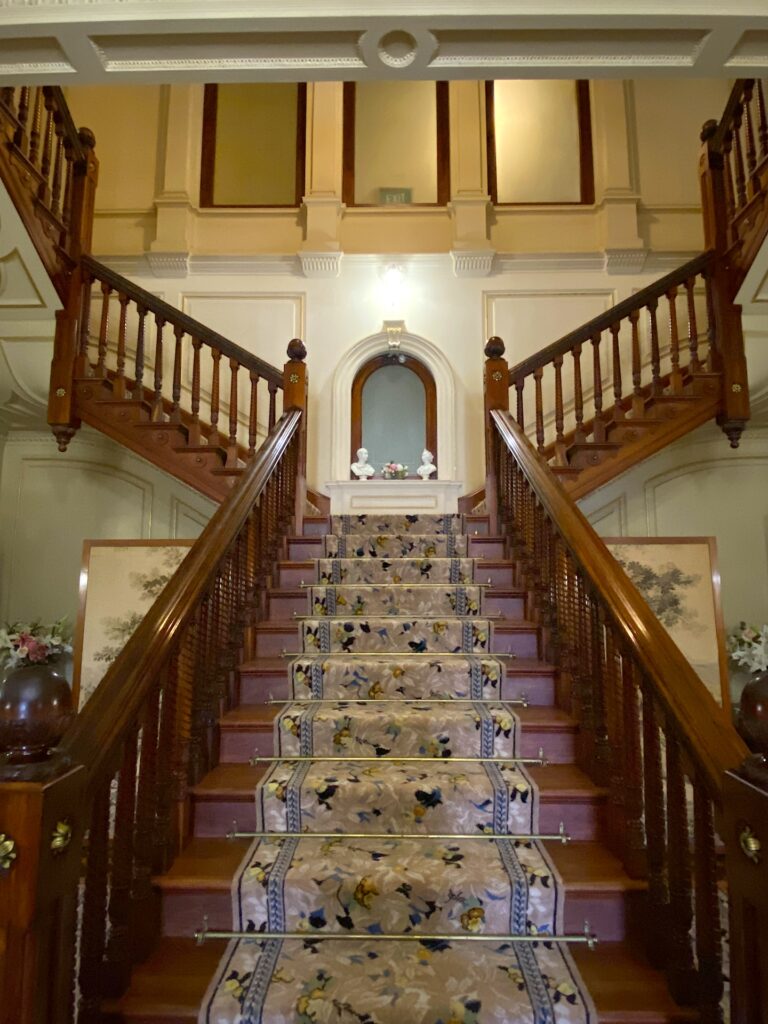
Victorian architecture often sought to impress through the accumulation of more ornament, decoration, evidence of craftsmanship and expense. Martindale Hall certainly exemplifies that philosophy. The ceilings are richly detailed and the timberwork is exquisite. Marble fireplaces appear throughout the principal rooms and imported furnishings and artworks reinforce the sense of refinement.
Each room possesses its own character while contributing to an overall impression of elegance and wealth. The house was designed for living and to be seen.
Life below stairs
For all its grandeur, Martindale Hall could not function without servants. Like all English country houses, the mansion depended upon a workforce operating largely behind the scenes. Cooks, housekeepers, maids, gardeners, grooms and labourers ensured the smooth running of both the household and the surrounding estate. The design of the house reflects this reality.
Separate service areas, pantries, storage rooms and servant facilities allowed domestic staff to perform their duties efficiently while remaining largely invisible to guests.
Remarkably, the Hall incorporated features that were technologically advanced for the era. When completed in 1880, it included flushing toilets, a rarity in colonial Australia. Four served the staff while two principal commodes catered for the family. Upstairs bathing facilities provided accommodation for domestic workers that exceeded conditions available to many Australians of the period.
Speaking tubes and bell systems enabled communication throughout the building before electrification became common. Ventilation systems, shutters and carefully designed windows provided natural climate control during South Australia’s often oppressive summers.
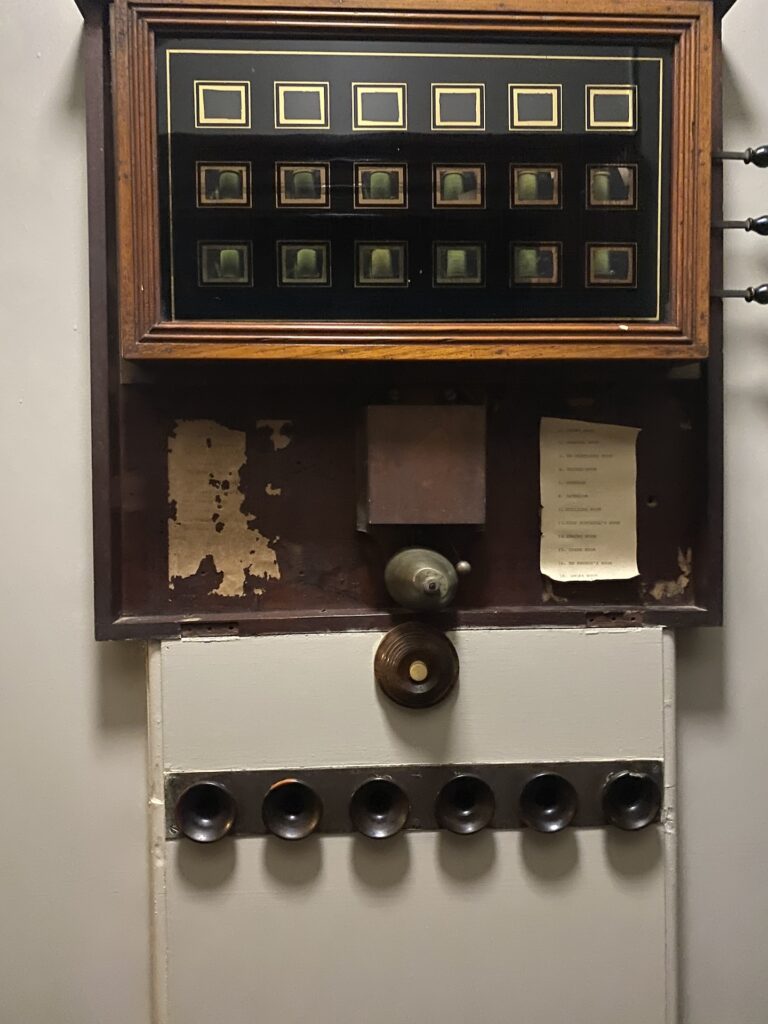
These were luxuries and they reflected a household operating on a scale rarely encountered in nineteenth-century Australia.
Entertaining in style
Edmund Bowman had not built Martindale Hall solely for private enjoyment. The mansion formed the centrepiece of an elaborate social world. The surrounding estate included a polo ground, racecourse, boating lake and cricket pitch. The English XI cricket team reportedly played on the property during one of its Australian tours.
Horses played an important role in life at Martindale. Riding, hunting and racing formed essential components of upper-class recreation. Bowman entertained members of Adelaide society and participated actively in organisations such as the Adelaide Hunt Club.
Guests arriving at Martindale would have encountered a lifestyle modelled closely on that of rural England. Days might include riding, shooting, cricket or social calls. Evenings were devoted to formal dinners, conversation and entertainment.
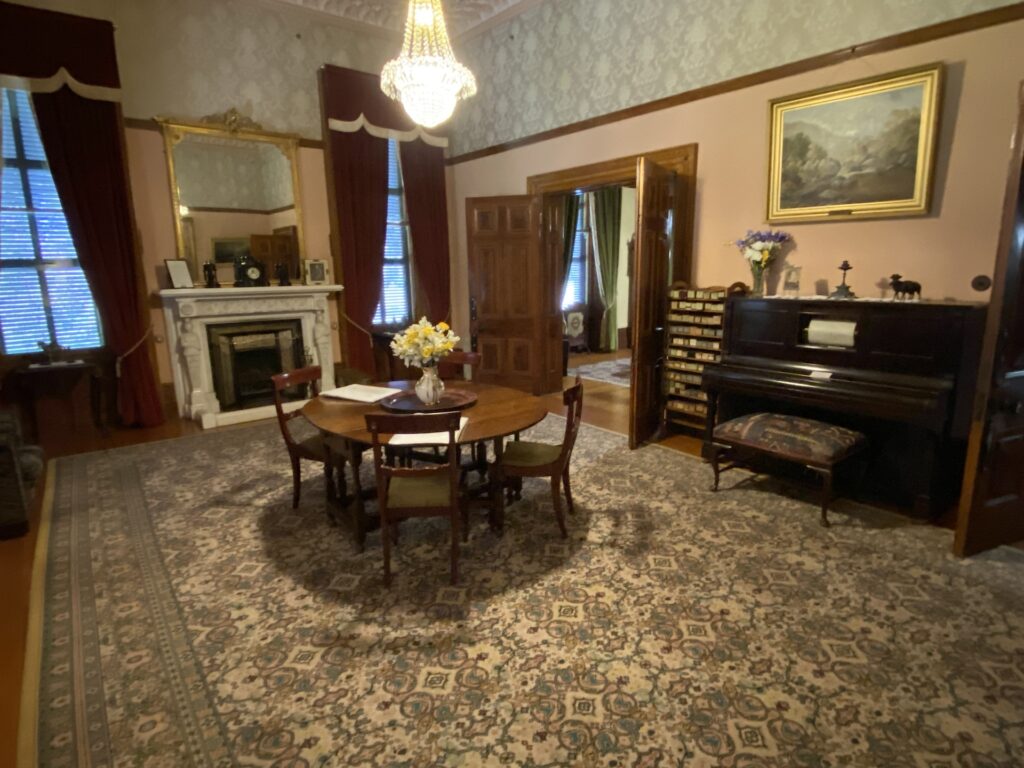
The dining room remains one of the most impressive spaces in the house. Dominated by a substantial mahogany table, it was designed to host large gatherings in surroundings that reflected the owner’s status.
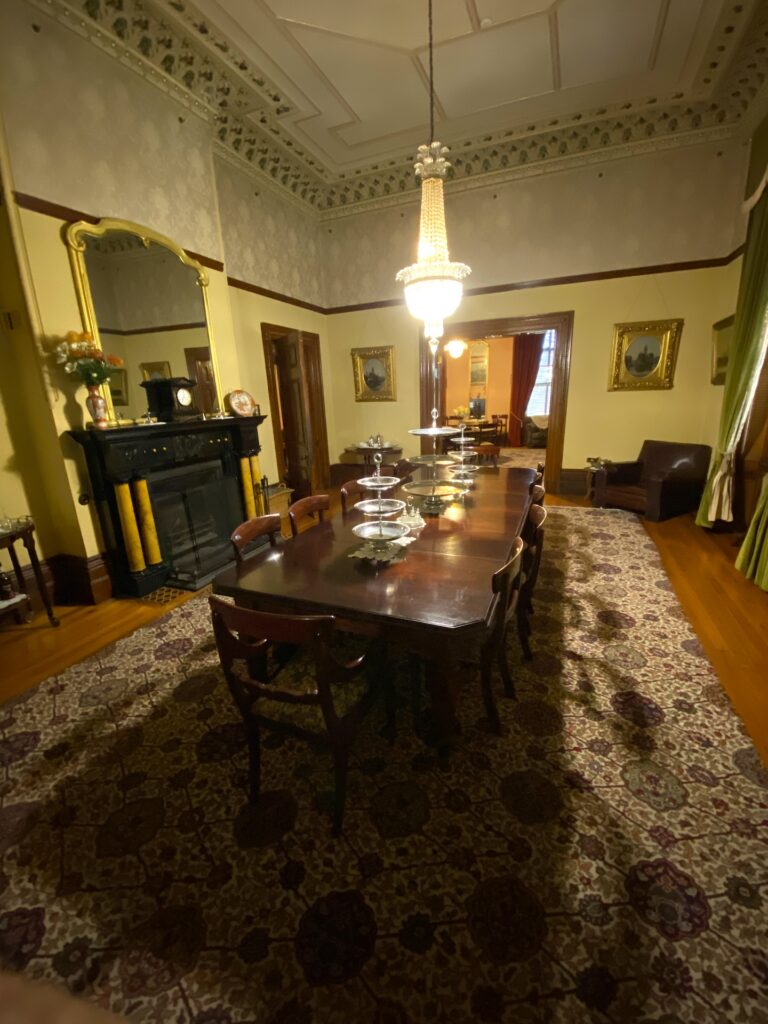
Meals emerged from a sophisticated service system involving pantries, warming facilities and domestic staff working behind the scenes. To dine at Martindale Hall in the 1880s was to participate in a carefully orchestrated display of wealth and hospitality.
The billiard room
Among the most fascinating rooms in the house is the library and billiard room. At its centre stands an enormous imported billiard table weighing approximately 1.5 tonnes, and it occupies a unique place in Martindale’s history.
It is believed to be the only surviving piece of furniture from the original Bowman period. Installed before the north wall was completed, it was of such sheer size that removal would be extraordinarily difficult. Around it stand shelves filled with books and memorabilia accumulated over generations.
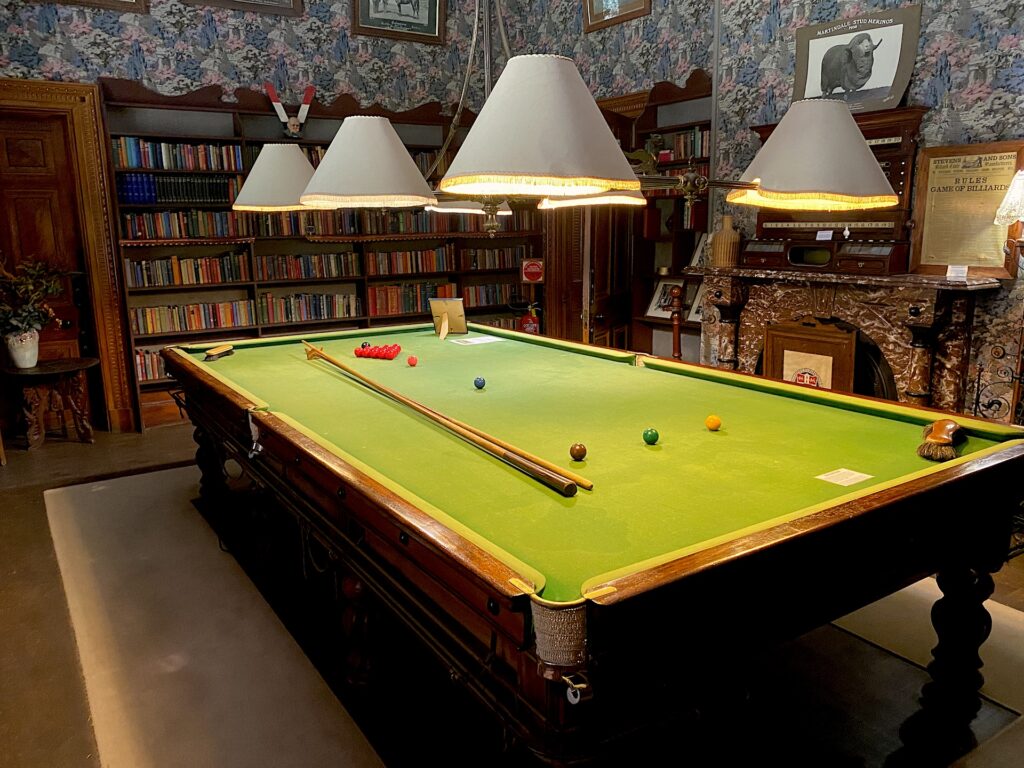
The room provides a vivid insight into the leisure pursuits of wealthy pastoral families. Billiards occupied an important social role in Victorian society, particularly among gentlemen. It encouraged conversation, competition and companionship.
One can easily imagine evenings spent in this room over a glass of whiskey, through the smoke haze of cigars, discussing politics, wool prices, horse breeding, or events in Adelaide, while the glow of lamps illuminated the green baize surface. The room retains an atmosphere that feels remarkably authentic. It is one of the few places where the world of nineteenth-century pastoral Australia remains almost tangible.
The dream unravels
Despite its magnificence, Martindale Hall was both a financial burden and a triumph. Maintaining such a property required substantial resources. Edmund Bowman married Annie Cowes in 1884 and together they raised a family. However, the economic realities of pastoral life eventually undermined the dream he had created.
Over-expansion, drought and the economic depression of the 1880s placed increasing pressure upon the family’s finances. By 1891, only a decade after constructing the mansion, Bowman was forced to sell. It was a bitter outcome. Martindale Hall had embodied his ambitions, education and aspirations, but economic circumstances proved stronger than personal dreams.
The end of Bowman ownership might easily have marked the beginning of decline. Instead, the property passed into the hands of another remarkable pastoral family.
The Mortlock years
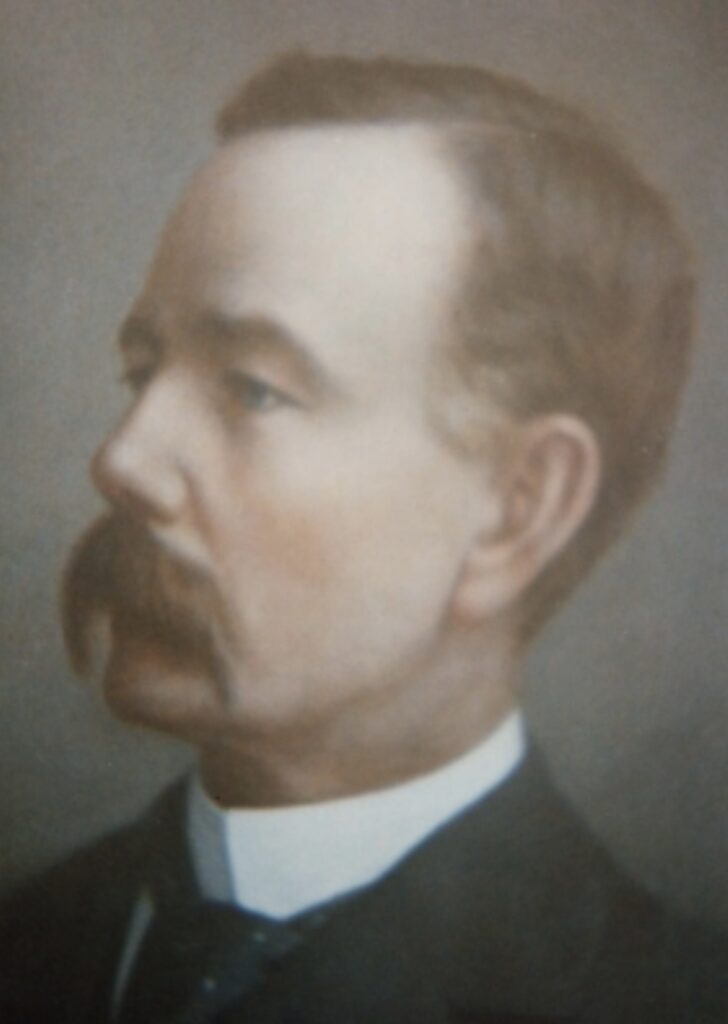
William Tennant Mortlock purchased Martindale Station in 1891. Like the Bowmans, the Mortlocks were among South Australia’s pastoral elite. Wealthy, influential and deeply connected to the colony’s agricultural economy, they possessed the resources necessary to maintain the estate.
For almost 70 years, the family would call Martindale Hall home. Unlike many subsequent owners of historic houses, the Mortlocks largely respected the building’s character. While modifications and redecorations occurred, they preserved much of the mansion’s essential fabric.
The Hall became associated with successive generations of the family and witnessed both celebrations and tragedies. Several of the Mortlock children died young and later generations endured losses that shaped the family’s future.
But the estate remained a centre of pastoral life and social activity. Many of the furnishings and decorative features visible today date from the Mortlock era rather than the original Bowman occupation. In preserving the house, the Mortlocks inadvertently ensured its survival into the modern age.
John Mortlock
The most intriguing member of the family was undoubtedly John Andrew Tennant Mortlock.
Known as Jack or JT, he inherited not merely a pastoral property but an extraordinary residence and a considerable family legacy. Unlike the stereotypical image of a grazier concerned solely with livestock and land, Mortlock possessed broad intellectual interests. He travelled extensively throughout the world and returned with artefacts, books and collections that enriched the house.
Visitors today encounter evidence of these travels throughout Martindale Hall. Objects from distant countries sit alongside reminders of South Australia’s pastoral history, creating an eclectic and deeply personal environment.
Mortlock was also a scholar and collector. His library reflected interests extending far beyond agriculture. The house became not only a pastoral headquarters but also a repository of knowledge and culture. In many respects, John Mortlock represented the culmination of the pastoral gentleman tradition that had inspired Edmund Bowman decades earlier.
From private residence to public treasure
The future of Martindale Hall was secured through an act of generosity. Before his death, John Mortlock bequeathed the property to the University of Adelaide, appointing his wife as trustee. Following her stewardship, the estate eventually passed into public ownership and the transition proved crucial.
Across Australia, many grand pastoral residences have disappeared through neglect, demolition or unsympathetic alteration. Changing economic circumstances often rendered such properties difficult to maintain. Fortunately, Martindale Hall escaped that fate.
Government ownership ensured that future generations would continue to experience one of Australia’s finest country houses largely intact. Today, visitors can walk through rooms that remain remarkably faithful to their nineteenth-century appearance. The Hall’s survival represents a significant heritage achievement.
Picnic at Hanging Rock
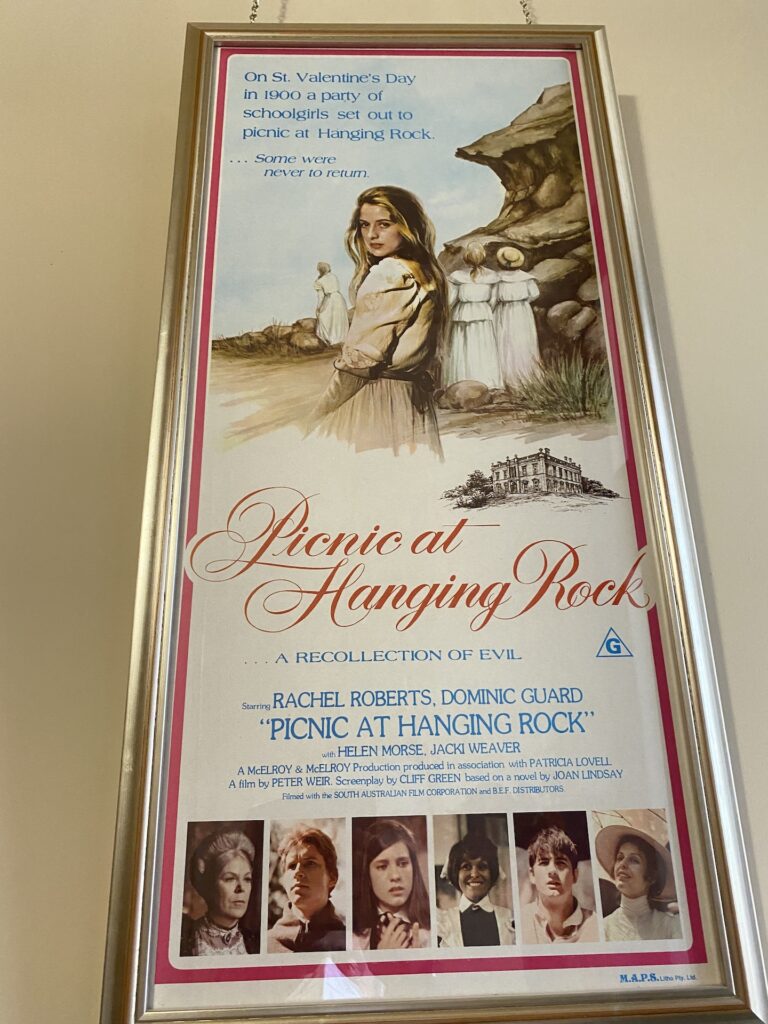
In 1975, Martindale Hall entered popular culture. Peter Weir selected the mansion as a major filming location for Picnic at Hanging Rock, one of Australia’s most influential films.
The Hall provided the perfect setting for the fictional Appleyard College. Its imposing architecture, elegant interiors and slightly isolated setting created precisely the atmosphere required by the film’s mysterious narrative.
The movie’s success introduced Martindale Hall to audiences around the world. For many visitors, the cinematic connection remains the initial attraction. But those who arrive expecting merely a film location soon discover something much richer — history.
Why Martindale Hall is important
Martindale Hall endures because it embodies architecture and offers a rare window into colonial Australia at a time when pastoral wealth was transforming parts of the continent.
The mansion tells the story of ambitious settlers who arrived with little certainty and went on to create extraordinary fortunes. It not only illustrates how colonial success allowed some families to recreate elements of British society in distant landscapes, it also reveals the confidence, aspirations and contradictions of nineteenth-century Australia.
At the same time, it reminds us that fortunes rise and fall. The Bowmans built an empire and a mansion only to lose ownership within a decade. The Mortlocks preserved the estate but endured tragedies of their own.
Through all these changes, the house remained. Standing today on its rise above the Clare Valley, Martindale Hall continues to command attention just as it did when Edmund Bowman first surveyed the completed building in 1880.
The sandstone walls, grand staircase, billiard room, library and drawing rooms speak of wealth and human ambition. Few places capture the romance, optimism and complexity of colonial Australia so completely.
Trust me when I say that visitors to Mintaro will discover that Martindale Hall is much more than a tourist attraction. It is one of Australia’s great historical houses and one of the most tangible surviving links to the pastoral age that helped shape the nation.
Thanks Robert. Most interesting and well written, as usual.
A very interesting story Robert. I had not heard of Martindale Hall before.