
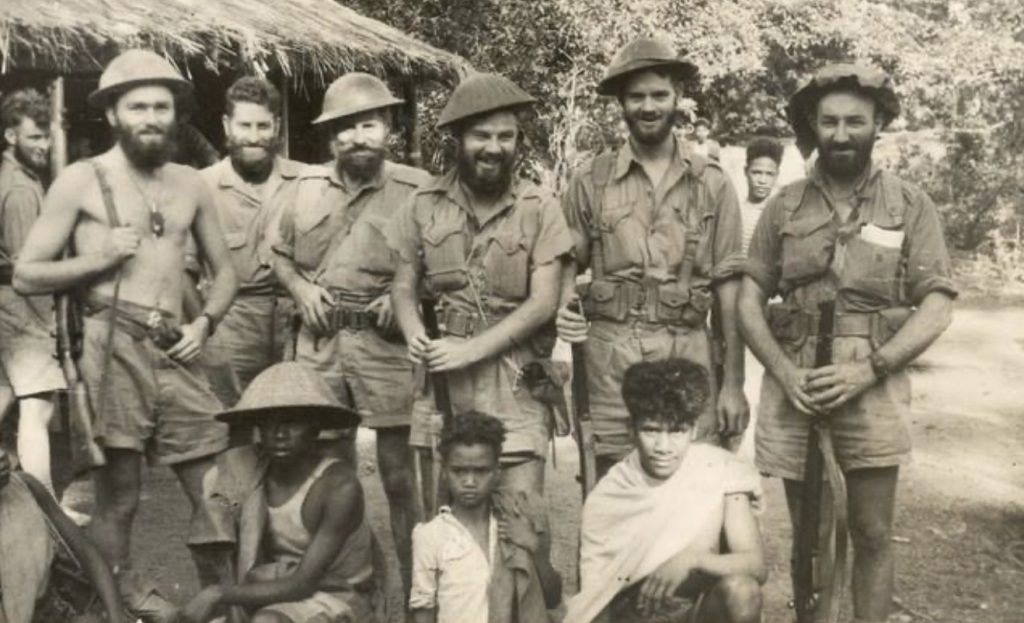
Two years ago, I wrote about Lark Force at Rabaul and how a small Australian garrison, sent forward on a strategic idea that no longer made sense, was quickly overwhelmed when the Japanese attacked. That story didn’t end on the battlefield but at sea, with the sinking of the Montevideo Maru and the loss of over a thousand Australian prisoners of war and civilians, whose fates went almost unnoticed at the time.
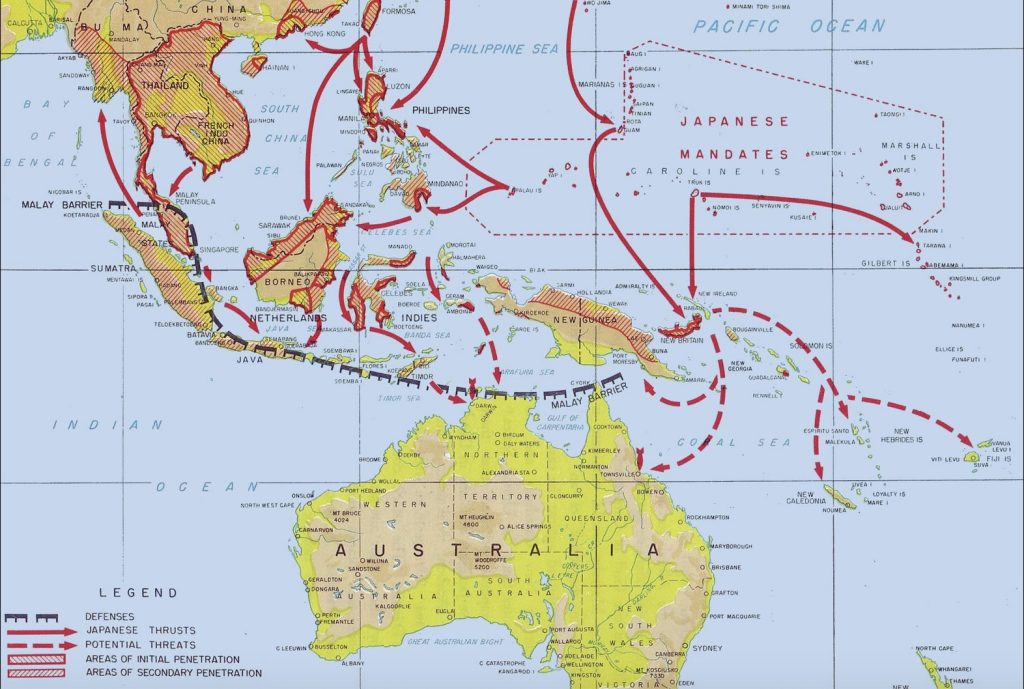
Sparrow Force on Timor was born from the same thinking, shaped by the same assumptions, and overtaken by the same events. Along with Gull Force on Ambon, these units formed a little-remembered trio of forward garrisons deployed along what planners still called the Malayan Rim. Each was meant to delay an enemy advance, being quietly committed but left to face the consequences primarily on its own. None was equipped or supported to withstand such an advance. After all, the British Prime Minister was adamant that Singapore was impregnable, and the Japanese would struggle to overwhelm the Malay Peninsula.
This blog recounts Sparrow Force’s story — how it was formed, what the men encountered upon arrival, how quickly their position became unsustainable and how, when the official defence fell apart, they improvised a campaign of resistance that no one had anticipated. Next month, I will complete the picture with a full account of Gull Force on Ambon, whose fate was even more brutal and equally revealing.
Sent forward, left behind
Along with Gull Force on Ambon and Lark Force at Rabaul, Sparrow Force formed a largely overlooked trio of forward garrisons built for the same purpose and facing similar dangers. Their shared fate illustrates how Australia entered the Pacific War still committed to inherited strategies, even as the circumstances that supported them had already vanished.
The names Lark, Gull and Sparrow were chosen mostly as administrative labels, not for any symbolic reason. However, the bird theme unintentionally reflected the limited roles these units played in Allied planning. They were not meant to defeat an invasion or hold territory forever. Their purpose was to delay, observe, and, if possible, deny access to key facilities, buying time until larger forces could assemble behind them. In effect, they showed an effort to spread Australia’s limited military resources thinly across a vast region, compensating for the steady decline of British influence in Asia.
This strategy was developed amidst political contradictions. Australian leaders recognised that Britain’s capacity to defend the Far East was weakening due to the pressures of war in Europe and the Mediterranean. However, they were still reluctant to openly acknowledge that Australia might soon need to rely heavily on its own defences. The outcome was a series of compromises, with deployments that recognised the danger without revealing vulnerability, and garrisons sent forward to demonstrate resolve without the resources to maintain it.
The reasoning behind these decisions wasn’t foolish so much as out of step with the times. Defence planning in 1940 and 1941 still relied on interwar assumptions that any war in the Pacific would develop slowly, that Japan would be deterred by the threat of a broader conflict, and that Britain, once fully mobilised, would regain control over its eastern empire. Even as intelligence reports and events on the ground challenged those assumptions, they continued to influence planning. Deployments were driven more by inertia than by clear evidence.
Sparrow Force was established not because success was probable, but because abandoning the strategy that depended on it would have led to a reckoning that political leaders were not ready to face.
Assembling Sparrow Force
Sparrow Force was quickly assembled amid a climate of uncertainty. It was formed around the 2/40th Infantry Battalion, mainly made up of Tasmanians, supported by the 2nd Independent Company, a newly raised unit trained in what was then called guerrilla warfare, and reinforced by various artillery, anti-aircraft, engineer and signals units. Overall, the force consisted of about 1,400 men.
The force was equipped with two six-inch coastal guns intended to defend the Penfui airfield near Koepang, eight 40-mm Bofors anti-aircraft guns, four two-pounder anti-tank guns, and a small number of mortars and machine guns. On paper, this seemed enough for a limited defensive task. In reality, it was not.
Many of the men were poorly trained. Some had never fired their weapons. The equipment was incomplete. Tropical clothing and footwear were unsuitable. The army had only recently begun expanding quickly, heavily relying on militia units whose training reflected the complacency of the pre-war years. Sparrow Force was not a carefully planned expeditionary unit. It was a force put together rapidly because events were moving faster than the planning could keep up with.
The men were sent first to Darwin, where they aimed to finish preparations before moving on. Instead, they encountered chaos. Units were scattered, facilities were poor and there was no clear timetable. The situation in Timor itself made things more difficult. The western half of the island was under Dutch control and welcomed Australian help. The eastern half was Portuguese, and Portugal stayed neutral during the war. Portuguese authorities refused permission for Allied troops to land, fearing Japanese retaliation and insisted that neutrality would be respected.
As a result, Sparrow Force stayed in Darwin much longer than planned, losing valuable time that could have been used to build defences and set up supply systems. Reconnaissance teams were sent ahead in October 1941 and provided sensible advice, including the recommendation to use Dutch uniforms, which were better suited to the climate. None of these recommendations was acted upon before the force was deployed.
By the time the troops finally embarked, the broader strategic situation had deteriorated rapidly. Japan and the United States were engaged in diplomatic talks that gave the appearance of delaying progress. In fact, Japanese preparations were already well advanced. They established intelligence networks throughout the Dutch East Indies, and their air and naval forces were ready to launch an attack.
Arrival and reality
The men of Sparrow Force realised they were at war with Japan while at sea. It was the first time many of them were told where they were headed.
They landed at Koepang in December 1941, just five days after the bombing of Pearl Harbour and quickly realised the true nature of their situation. Unloading gear and stores was tough. Men waded ashore over coral and rocks, cutting their feet and legs. In the humid tropical climate, these cuts quickly became infected. Leather boots rotted away, straps and webbing broke down and uniforms offered little defence against mosquitoes. Even before the Japanese appeared, illness spread with tropical ulcers, dysentery and malaria common.
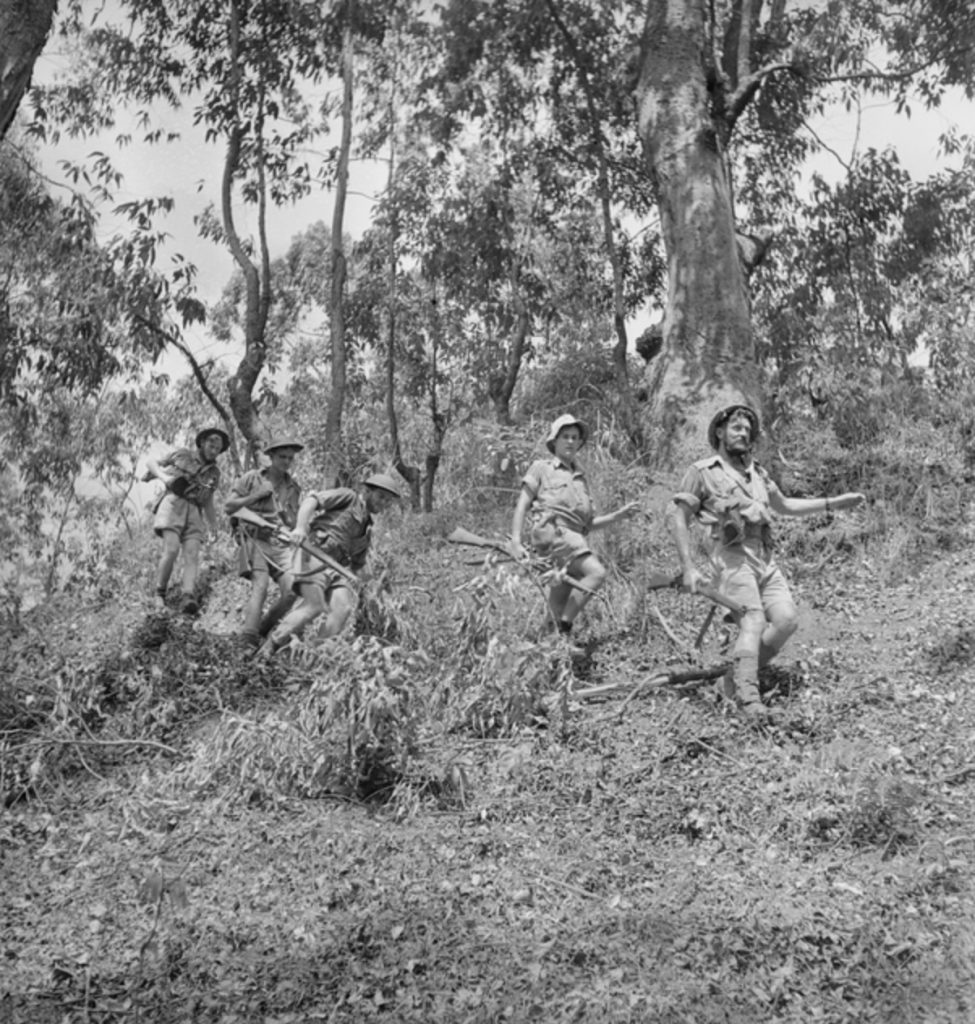
Some barracks had been partially prepared by the Dutch, but much was still to be done. The six-inch guns were mounted on unstable pedestal footings embedded in coral and couldn’t be fired safely except in an emergency. Engineers started the tough work of stabilising them with concrete. Searchlights were set up to illuminate the harbour. Trenches were dug for power and communication cables. Camouflage efforts were made, though Japanese aircraft already flew freely overhead.
The men soon realised they were vulnerable. They were over 400 miles from Australia, with no air support and a limited chance of naval aid. Senior officers recognised that if Japan attacked with force, Timor could not be defended. They believed the force would be pulled out before it was too late. However, the strategy was quietly changed. Sparrow Force was no longer expected to hold Timor. Its role was to delay the Japanese advance long enough for American forces to build up in Australia.
First contact
The first Japanese aircraft appeared the day before Australia Day 1942. A lone bomber circled overhead for half an hour. The next morning, the attack came. Seven aircraft struck Penfui airfield and the camp. Damage was light, but the message was clear. Later that day, a second wave of forty-two aircraft arrived, machine-gunning the airfield and destroying aircraft on the ground. Air raids continued over the following weeks.
Reinforcements were promised and partially delivered. British anti-aircraft units arrived. Two additional Bofors guns were landed. A convoy carrying further reinforcements, escorted by warships including the USS Houston, was attacked by Japanese bombers and flying boats. Although the convoy survived, the commander judged that an invasion was imminent and ordered a return to Darwin. Sparrow Force would receive no further help.
By this time, Lark Force had been overwhelmed at Rabaul and Gull Force destroyed on Ambon. Sparrow Force was now the last Australian formation standing between a Japanese force advancing south and the Australian mainland.
The invasion
On 19 February 1942, the last RAAF Hudson bombers left Penfui for Darwin. Most aircrew and American officers accompanied them. On the same day, Darwin itself was attacked. Sparrow Force was now on its own.
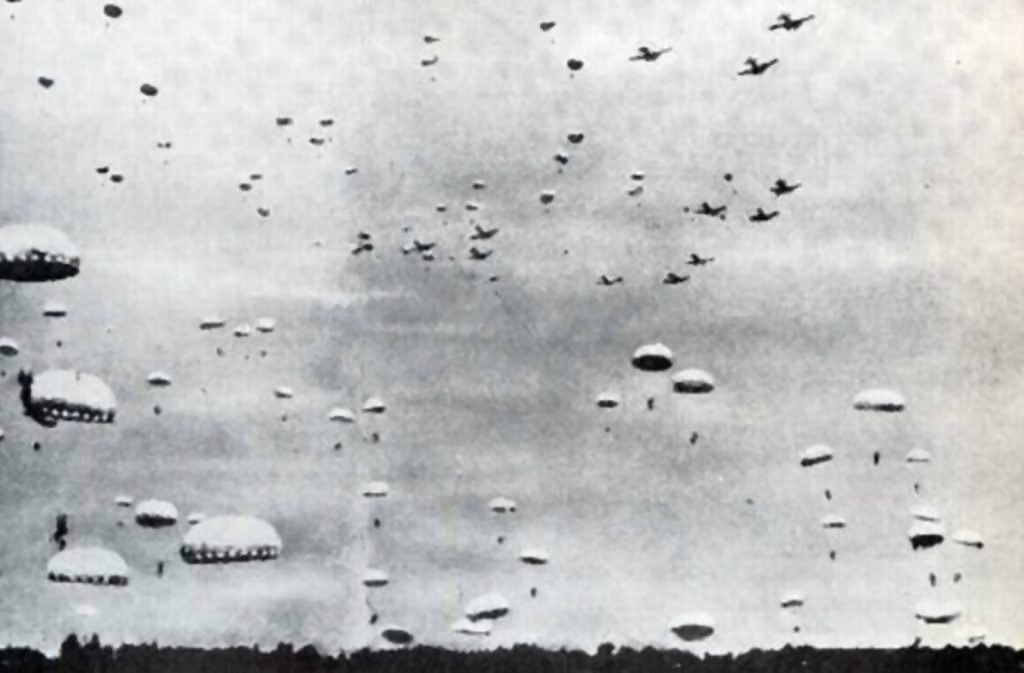
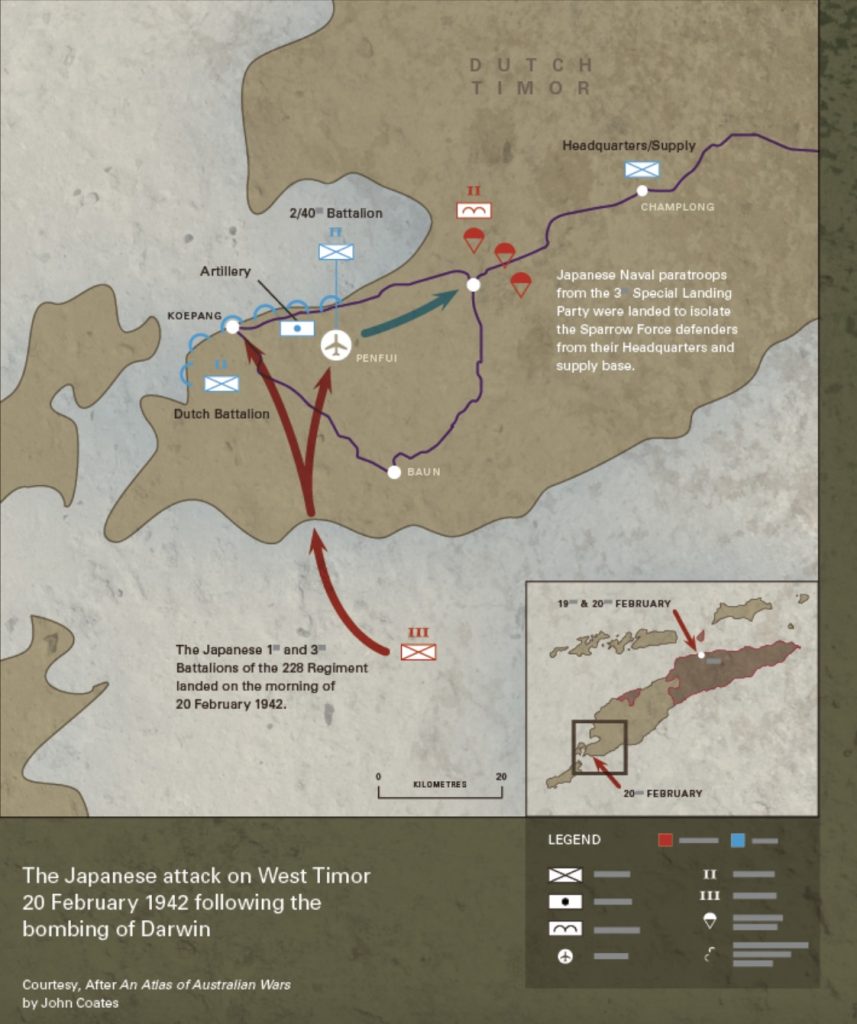
That evening, observers on nearby Semau Island reported Japanese ships approaching. Thirteen warships and transports carrying about 20,000 battle-hardened troops moved towards Timor. They did not land at Koepang, where defences were prepared. Instead, they came ashore unopposed on the undefended south coast at the mouth of the Paha River.
Sparrow Force’s commander, Lieutenant Colonel William Leggatt, faced an impossible situation. He decided to hold his positions long enough to complete demolitions, including the destruction of the Penfui airfield and fuel stores, rather than rushing his force towards the landing sites. Fighting erupted as Japanese troops advanced inland. Australian units launched bayonet attacks supported by machine guns and mortars, inflicting casualties and temporarily halting the advance.
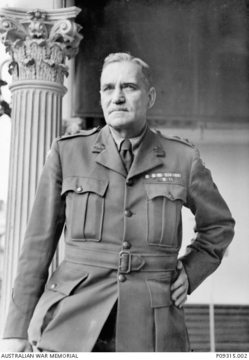
The effort could not be maintained. After weeks of fighting, the Australians were cornered, worn out and heavily outnumbered. After destroying what they could, Leggatt ordered a retreat into the interior. Sparrow Force ceased to be a conventional garrison. They fought on because surrender offered no certainty of survival.
Leggatt did not escape Timor. After the withdrawal, he stayed with the main body of the 2/40th Battalion, trying to keep some cohesion as Japanese pressure grew. Eventually, exhausted, sick, and surrounded, he decided to surrender his remaining men on 23 February 1942.
What ended was the fiction that the island could be held. What followed was something far less tidy and far more demanding. What remained of the Sparrow Force entered a prolonged period of evasion, harassment and survival by small groups scattered across rugged country, without certainty of supply, reinforcement, or extraction.
Fighting on after defeat
What came was not collapse, but forced adaptation.
The survival of the troops depended on the Timorese people, who guided the Australians, shared food with them and hid them from Japanese patrols. Japanese reprisals were harsh. Villages were burned and civilians were killed. Australian soldiers understood the toll the help they received took, but without it, they wouldn’t have made it.
Back in Australia, nothing was known about the Sparrow Force that turned to guerrilla tactics. All Allied military personnel who were not made prisoners of war or who had not been able to flee across the sea were officially reported as missing in action.
However, towards the end of April 1942, some of the commandos constructed an emergency radio using parts of their own and those stolen from the Japanese, later known as “Winnie the War Winner,” to re-establish contact with Australia. Through it, Sparrow Force reported Japanese movements and requested guidance. Ambushes were laid and supply routes were harassed. Japanese forces were forced to divert significant numbers of troops to internal security.
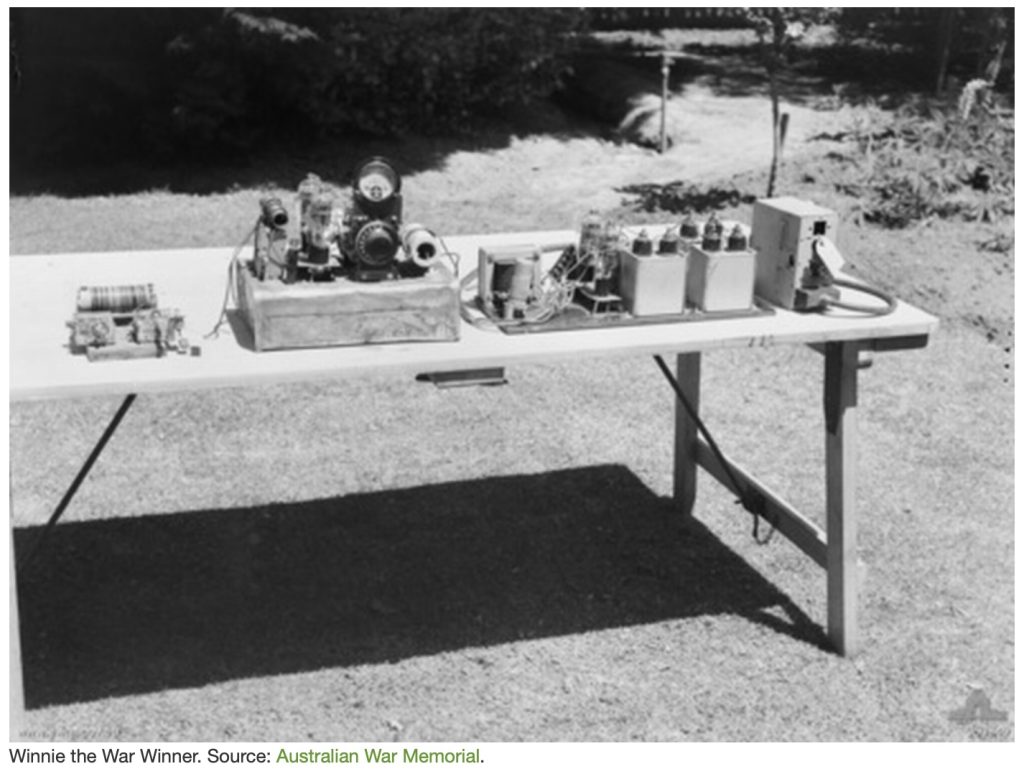
From May, the guerrilla forces were regularly supplied by Australian aircraft and naval ships. For most men, this phase lasted nearly 12 months. From February until December 1942, elements of Sparrow Force remained active on Timor, conducting patrols, ambushes and intelligence gathering while avoiding encirclement or destruction by a vastly superior enemy. It was not a continuous battle in the conventional sense, but a grinding contest of endurance in which the Australians were always reacting rather than controlling events.
With each passing week, even though supplies were sustained, life in the bush was harsh, food was scarce and disease was constant. Men lost weight and strength and relief became less likely.
The Japanese were unquestionably too powerful to be defeated in any orthodox way. They had overwhelming numerical superiority, complete control of the air and the ability to reinforce at will. Australian resistance persisted because it exploited the island’s terrain and the limits of Japanese counter-insurgency methods. Dense jungle, steep mountains and poor roads favoured small, mobile groups.
The Timorese and the cost of loyalty
Without Timorese support, the guerrilla campaign would not have lasted weeks, let alone months. Villagers guided patrols through mountain tracks, carried supplies, provided food, hid wounded men and warned of Japanese movements. They did so despite knowing the consequences.
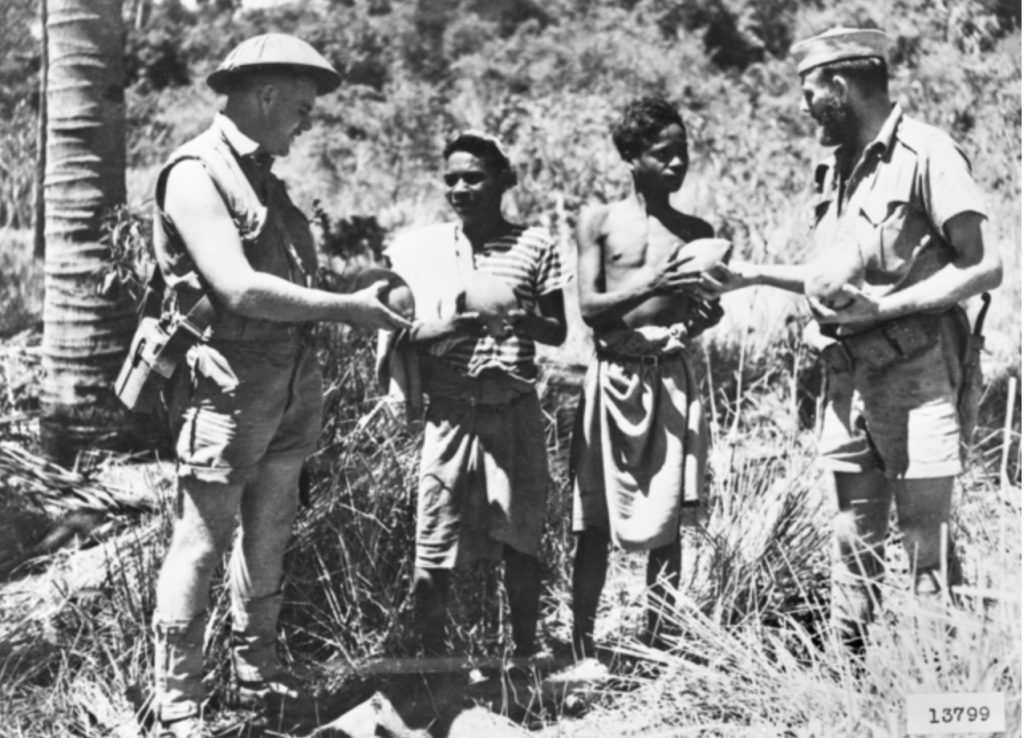
The Japanese understood this dynamic quickly and responded with brutality. Villages suspected of assisting Australians were burned. Civilians were beaten, imprisoned, or killed and hostages were taken. Entire communities were punished to deter further cooperation.
Australian soldiers were painfully aware of the cost being paid on their behalf. Many later wrote that the hardest part of the campaign was accepting help from people who had so little to give and so much to lose. The moral weight of that dependency never lifted. It sits at the centre of the Timor story and resists any easy celebration of resistance.
Evading a superior enemy
The Australians survived because they were hard to find. Small groups moved constantly, rarely staying in one place for more than a night or two. Camps were hidden, fires avoided and tracks were concealed. Contact was brief and violent when it occurred, followed by immediate withdrawal.
There were acts of real bravery, though they rarely resembled the kind later commemorated in official histories. Patrols moved through unfamiliar terrain at night. Wounded men were carried for days. Isolated groups fought their way out of encirclement. On several occasions, Australians launched bayonet attacks to break contact when surrounded, accepting casualties to avoid annihilation.
These actions were not undertaken in the expectation of any reward or recognition. The sad reality was they were done because hesitation meant capture, and capture often meant death.
The protracted withdrawal, surrender and captivity
Australian military chiefs did not promise reinforcement. However, a 450-man-strong 4th Independent Company came to relieve the weakened 2nd Independent Company. The Australian destroyer HMAS Voyager put this company ashore in the last week of September 1942 near Betano. While the disembarkation was in full swing, the Australian ship, which had been built in 1918, ran aground on a reef. Despite desperate attempts to disengage the ship, the Australians had to abandon it when they were attacked by Japanese aeroplanes. The destroyer was set on fire and destroyed. The crew was picked up by two Australian mine sweepers, but the remaining commando troops of the 2nd Independent Company could not be evacuated.
The military also did not offer immediate evacuation. Instead, Sparrow Force was instructed to continue operations for as long as practicable, gather intelligence and disrupt Japanese movements where possible.
When the evacuation finally happened, it wasn’t announced beforehand. It took place gradually and opportunistically during the night, using small ships and submarines. Men were taken in groups, while others were left behind, hoping they’d be next. Tragically, many never got the chance.
By late 1942, it was clear that further resistance was pointless. Japanese control over Timor was firm and Allied priorities had shifted. One by one, the remaining Australians were either evacuated or captured. The campaign concluded not with a formal declaration but with silence.
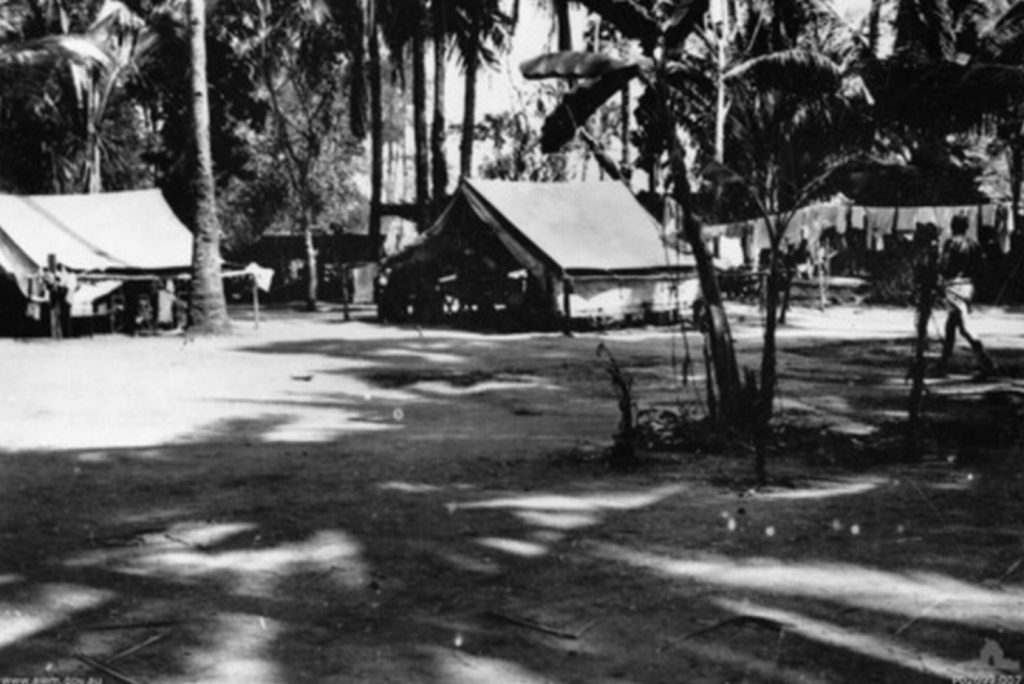
The troops were weakened by disease, short of ammunition and cut off from meaningful support. Continuing the fight would have led to their destruction without changing the outcome.
The campaign ended not with victory, but with dispersal and exhaustion.
Over 200 Australians avoided capture and reached Portuguese Timor, where the 2/2nd Independent Company was still operational. The 2/2nd fought the Japanese on Timor until the unit was withdrawn at the end of 1942. Their deaths were not caused by a single battle but by long-term neglect and exposure to conditions that no modern army should have had to suffer without relief.
Deaths during the guerrilla phase were fewer than during captivity, but they were not insignificant. Some men were killed in action. Others died from wounds, disease, or exhaustion. Malaria, dysentery and tropical ulcers consistently claimed lives. Those captured faced starvation, beatings and forced labour.
Leggatt spent the rest of the war as a prisoner. He survived, though many of his men didn’t. His choice saved lives, even as it sent him and his soldiers to years of captivity under harsh conditions.
Those that were held in captivity were on Dutch Timor, until later in 1942 when they were moved to Java. While some men spent the rest of the war on Java, the majority were transferred to several locations as POWs, including Sumatra, Singapore, Thailand and Japan. Approximately 340 members of Sparrow Force did not survive the war, including deaths in action and captivity.
Back home, little was said. The story did not fit the narrative of defence or victory. Like Lark Force before them, Sparrow Force faded into the margins of memory.
Aftermath
Back in Australia, there was little public recognition of what Sparrow Force went through. Like Lark Force and Gull Force, its story clashed with official accounts. Silence proved simpler than explanation.
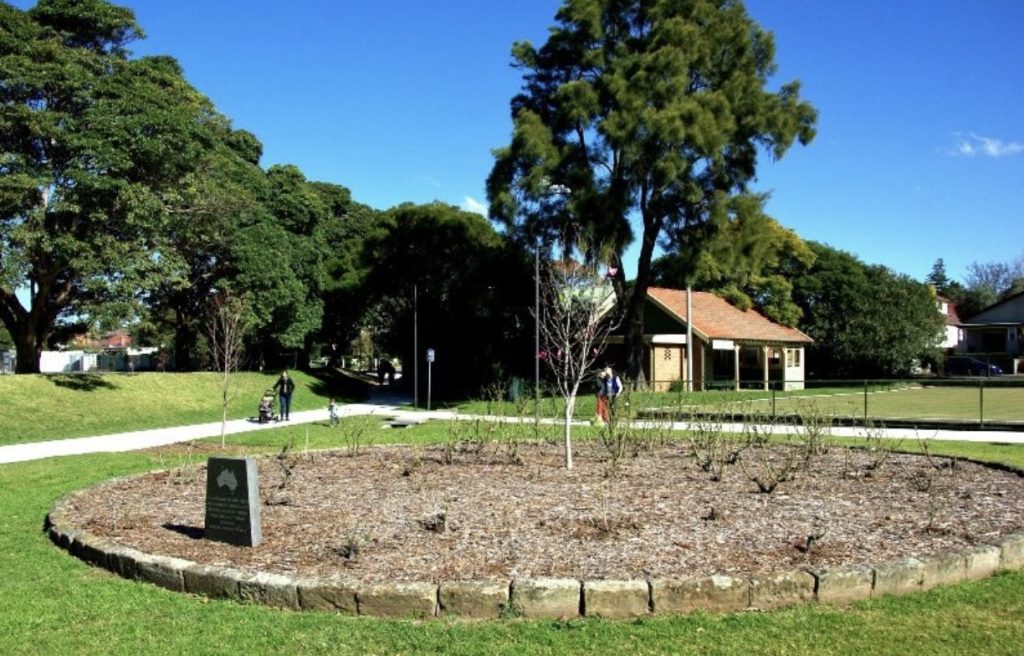
Sparrow Force did not fail. It was destroyed because those who sent them there mistook presence for protection, gesture for strategy and silence for consent. The men adapted when the plan fell apart around them. They endured, fought on and improvised a campaign no one had intended them to fight.
They were never meant to win. They were a delaying force of very brave men fighting against all the odds without question.
We pay tribute to the men of Sparrow Force.