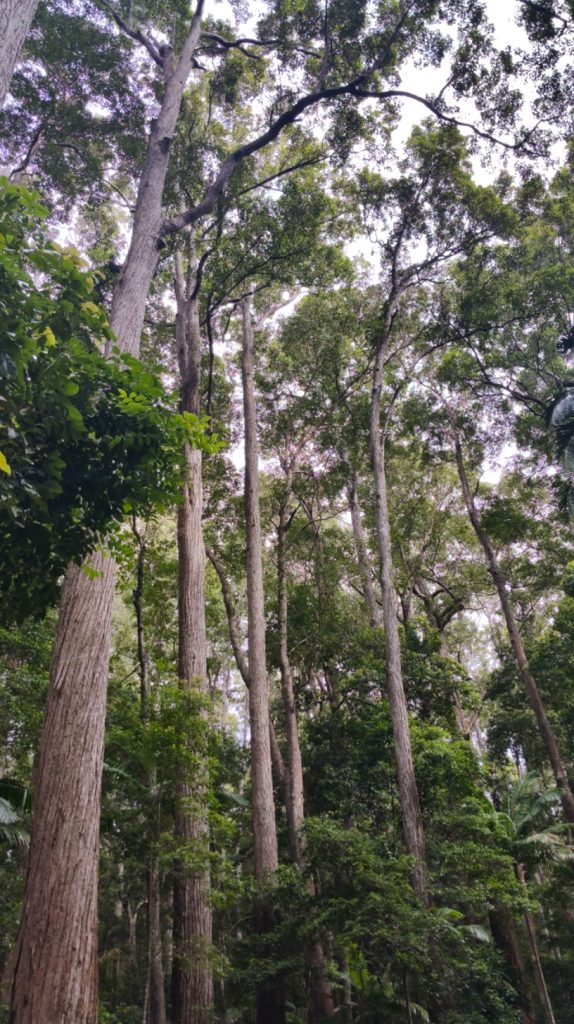
I have previously written about satinay. In an earlier essay, ‘The aristocratic satinay,’ I explored the history of this remarkable Fraser Island timber, from its initial neglect to its eventual recognition as one of Australia’s finest hardwoods. That story emerged from years spent in and around Fraser Island’s forests and from a fascination with how a timber once considered unworkable came to be highly valued for flooring, furniture and demanding marine applications.
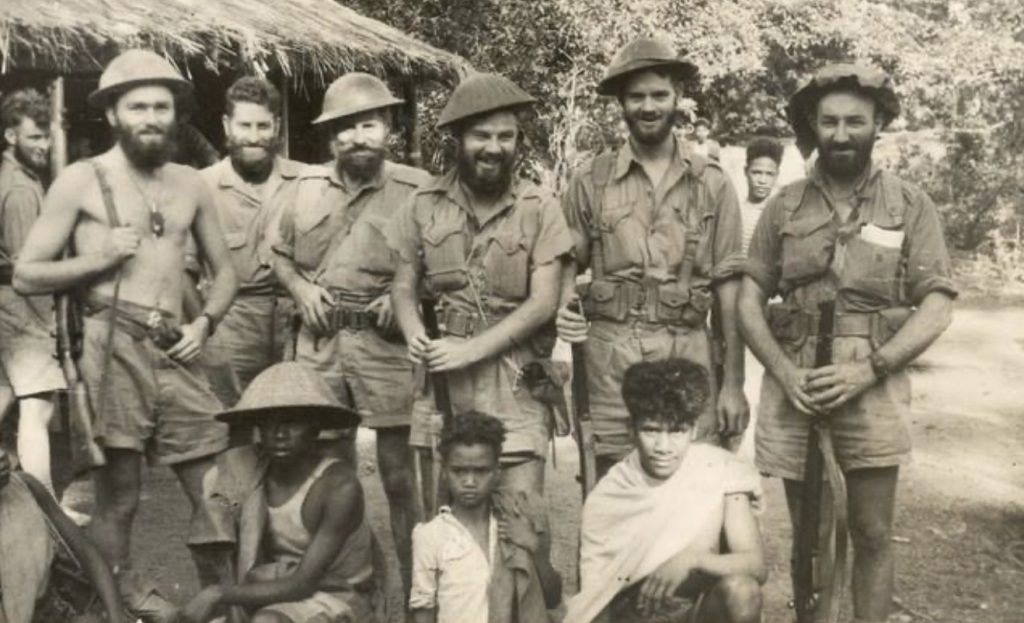
Two years ago, I wrote about Lark Force at Rabaul and how a small Australian garrison, sent forward on a strategic idea that no longer made sense, was quickly overwhelmed when the Japanese attacked. That story didn’t end on the battlefield but at sea, with the sinking of the Montevideo Maru and the loss of over a thousand Australian prisoners of war and civilians, whose fates went almost unnoticed at the time.
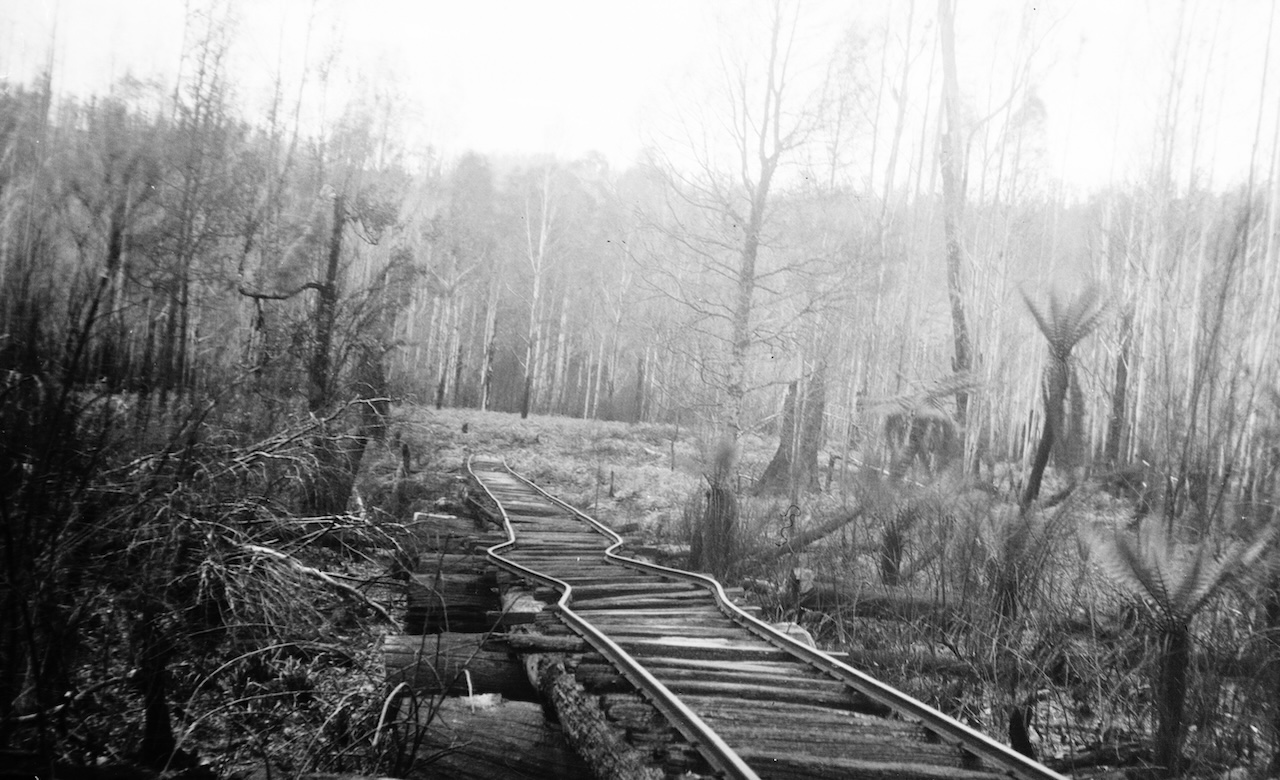
The bushfires that swept across Victoria in 1926, a hundred years ago, are not as ingrained in Australian folklore as Black Friday in 1939 or Black Saturday in 2009. There are no monuments, no school references and no shorthand name etched into the national psyche. One reason is that there was no royal commission or formal inquiry to investigate what went wrong and how to prevent it from happening again.